

Featured Snippet:
To plan outdoor activities weekly, choose 3–5 realistic activities, match them to your available time, add them to your existing schedule, and prepare weather-friendly alternatives. Combine short weekday activities such as walking or stretching with one longer weekend activity. Tracking your progress each week can make outdoor time easier, more affordable, and more sustainable.
Introduction: Why Is It So Hard to Make Time for Outdoors?
Most people understand the value of spending time outdoors, yet actually making outdoor activities part of a weekly routine can be surprisingly difficult. Work, family responsibilities, household tasks, commuting, screen time, and unpredictable weather can quickly push outdoor plans to the bottom of the priority list.
The problem is often not a lack of interest. It is a lack of planning.
Instead of waiting for several free hours to appear, you can plan outdoor activities weekly by using small, realistic blocks of time. A 15-minute walk before work, a short outdoor exercise session during lunch, or a longer family activity on Saturday can all contribute to a consistent outdoor routine.
This approach is especially useful when looking for outdoor activities for busy schedules or simple outdoor activities for mental wellbeing. You do not need an expensive membership, specialized equipment, or an entire free day.
You simply need a plan that fits your real life.
Why Outdoor Time Gets Pushed Aside
Outdoor activities are often treated as something people will do when they have “extra time.” Unfortunately, extra time is rarely predictable.
When outdoor recreation is not scheduled, other responsibilities usually take priority. A meeting runs late, dinner needs to be prepared, children need attention, or you simply feel too tired to decide what to do.
Planning solves part of this problem.
When an outdoor activity already has a place in your weekly schedule, you spend less time deciding whether you should go outside and more time actually doing it.
How Small Outdoor Plans Can Improve Wellbeing
Outdoor activities can combine several healthy lifestyle elements: physical movement, exposure to natural environments, relaxation, social interaction, and a break from repetitive indoor routines.
Simple nature activities for wellbeing can include walking through a local park, gardening, observing birds, sitting outdoors, photographing nature, or taking a quiet walk without constantly checking your phone.
The goal is not to turn every outdoor session into an intense workout. Sometimes the most sustainable activity is simply one that gets you outside consistently.
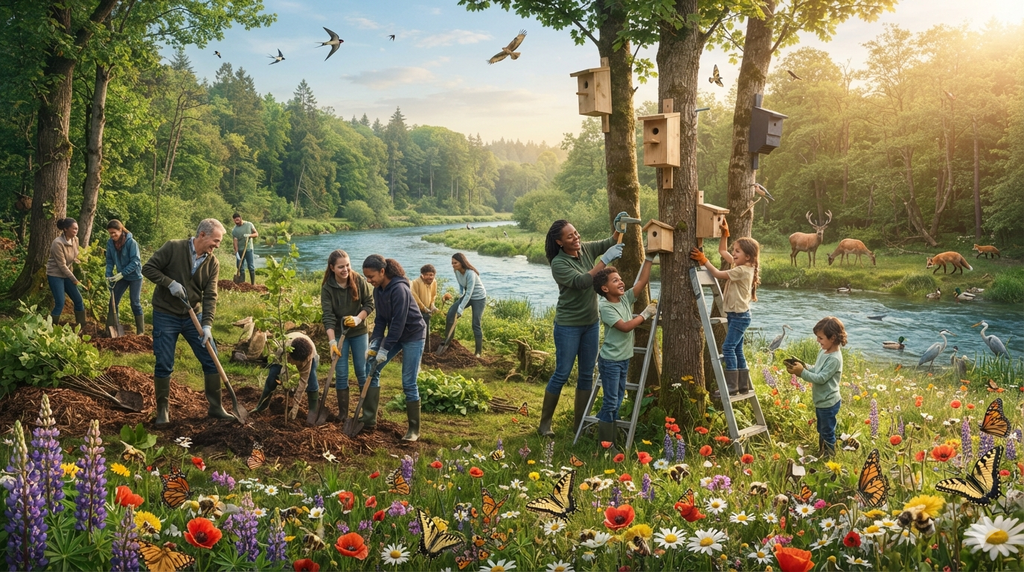
How to Plan Outdoor Activities Weekly Without Feeling Overwhelmed
The easiest way to plan outdoor activities weekly is to make your first plan smaller than you think you need.
A complicated schedule with seven demanding activities may look impressive on paper but become difficult to maintain. A simple plan containing several short activities and one longer experience is often easier to repeat.
Start With a Realistic Weekly Outdoor Goal
Begin by deciding how much outdoor time realistically fits your current lifestyle.
For some people, that might mean three 20-minute sessions and one longer weekend activity. Others may have time for outdoor activities almost every day.
If you’re wondering how many outdoor activities per week you should schedule, there is no universal number that works for everyone. Start with an amount you can realistically repeat.
For example:
- Beginner: 3 outdoor sessions per week
- Busy schedule: 10–20 minutes on several weekdays
- Moderate routine: 4–5 outdoor sessions
- Flexible schedule: Short daily activities plus a longer weekend activity
The important factor is consistency rather than creating the most ambitious schedule possible.
This is the foundation of effective weekly outdoor activity planning.
Choose Activities That Match Your Available Time
Your available time should influence the activity you choose.
If you have only 15 minutes, a neighborhood walk makes more sense than planning a long hike. If Saturday gives you several free hours, you can consider cycling, hiking, a nature trip, or a family outing.
Useful outdoor recreation planning strategies include:
- Match short activities with short periods of free time.
- Save longer activities for weekends or days off.
- Keep simple activities close to home.
- Choose activities that require little preparation.
- Keep at least one backup activity available.
For outdoor activities for busy schedules, flexibility matters more than complexity.
Build Outdoor Time Into Your Existing Schedule
One of the easiest ways to make time for outdoors is to connect outdoor activities to something you already do.
For example:
- Walk after breakfast.
- Take a short walk during lunch.
- Walk while making a phone call.
- Stretch outdoors after work.
- Visit a nearby park after dinner.
- Cycle to a nearby destination when practical.
- Spend 10 minutes gardening before your evening routine.
This answers the common question of how to schedule outdoor time without completely redesigning your lifestyle.
Instead of creating an entirely new habit, attach outdoor time to an existing routine.
What Outdoor Activities Can You Do Every Week?
A good weekly outdoor routine does not need to contain the same activity every day. Variety can make the routine more interesting and allow you to adapt it to your energy level, time, and environment.
Easy Outdoor Activities for Everyday Life
If you’re wondering what are easy outdoor activities, start with options that require little equipment and preparation.
Consider:
- Walking
- Gardening
- Cycling
- Nature photography
- Birdwatching
- Outdoor stretching
- Light jogging
- Nature observation
- Outdoor reading
- Recreational games
- Visiting a local park
Walking is particularly flexible because it can be adapted to almost any schedule.
A short walk can fit into a weekday, while a longer walk can become part of a weekend routine.
Create a Weekly Nature Activity Schedule
A weekly nature activity schedule can combine different durations and levels of effort.
For example:
Monday: 15-minute neighborhood walk
Tuesday: 20-minute outdoor stretching or exercise
Wednesday: 20-minute park walk
Thursday: 30-minute cycling session
Friday: 15-minute nature observation
Saturday: 60–120-minute hike or family outing
Sunday: Relaxed 30–60-minute outdoor walk
This structure provides variety without requiring every day to be demanding.
Stay Active Outdoors Without a Gym
You can create an effective outdoor exercise routine planning system without relying on a gym.
Possible activities include:
- Brisk walking
- Hiking
- Cycling
- Jogging
- Outdoor bodyweight exercises
- Stretching
- Recreational sports
- Stair walking
- Nature walks
If you’re asking how to stay active outdoors weekly, combine activities based on your available time and comfort level.
For example, you might use walking for easy days, cycling for moderate days, and hiking for your longer weekend session.

How to Plan Outdoor Activities for Families and Weekends
Weekend outdoor activities can provide more flexibility because families and friends may have more free time.
The key is to avoid making the plan unnecessarily complicated.
Choose Family-Friendly Outdoor Activities
When selecting family outdoor activity ideas, consider age, ability, interests, weather, and accessibility.
Options include:
- Park visits
- Nature walks
- Picnics
- Cycling
- Outdoor games
- Gardening
- Easy hiking
- Beach walks
- Nature photography
- Birdwatching
You can also give family members a choice between two or three activities. This creates participation without turning the planning process into a negotiation.
Create a Simple Weekend Outdoor Plan
Effective weekend outdoor activity planning can follow a simple formula:
Primary activity + backup activity + suitable time
For example:
Primary: Local hiking trail
Backup: Nearby park walk
Time: Saturday morning
If the trail becomes unsuitable because of weather or another unexpected problem, you already have another option.
This prevents one canceled activity from turning into an entire weekend indoors.
Make Outdoor Activities Social
Outdoor habits can become easier to maintain when they include other people.
You might invite:
- Friends
- Relatives
- Neighbors
- Walking partners
- Community groups
- Sports partners
A regular Saturday walk, cycling group, or family park visit can create a simple social commitment around outdoor time.
The purpose is not to make outdoor activities competitive. It is to make them easier to remember and more enjoyable to repeat.
How to Plan Outdoor Activities Around Weather and Seasons
Weather is one of the biggest reasons outdoor plans change.
Rather than treating weather as a complete obstacle, build flexibility into your weekly routine.
Build a Seasonal Outdoor Activity Plan
Seasonal outdoor activity planning means adapting your routine to local conditions.
In warmer months, you might prefer:
- Early-morning walks
- Evening cycling
- Gardening
- Shaded park activities
- Water-based recreation where appropriate
In colder months, you might choose:
- Daytime walks
- Winter hiking where conditions are safe
- Outdoor photography
- Short nature observation sessions
- Layered outdoor exercise
Spring and autumn can provide opportunities for longer walks, nature observation, gardening, and recreational activities depending on your location.
Always adapt activities to local weather and safety conditions.
Choose Weather-Friendly Outdoor Activities
Having several weather-friendly outdoor activities makes your routine more resilient.
For example:
Hot weather: Early-morning walk
Light rain: Short walk with appropriate clothing
Cold weather: Layered outdoor walk
Strong sunlight: Shaded outdoor activity during a cooler period
Poor conditions: Indoor movement or reschedule
The goal is not to force yourself outdoors in unsafe conditions.
What to Do Outdoors When Weather Changes
When weather changes unexpectedly, use a simple primary + backup system.
For example:
Primary: 45-minute cycling session
Backup: 20-minute neighborhood walk when conditions improve
Or:
Primary: Weekend hiking
Backup: Local park visit
This approach makes your schedule flexible instead of fragile.
How to Keep Outdoor Activities Affordable
Outdoor recreation does not have to become an expensive hobby.
Many activities require little or no specialized equipment.
Find Low-Cost Outdoor Activities
If you’re asking what outdoor activities are low cost, consider:
- Walking
- Local parks
- Hiking
- Gardening
- Birdwatching
- Nature photography with a phone
- Outdoor games
- Nature observation
- Community recreation areas
- Beach or lakeside walks where accessible
These low-cost outdoor activities can provide variety without requiring a large budget.
Plan Outdoor Activities Without Expensive Equipment
Beginners often assume they need specialized clothing, expensive bicycles, fitness trackers, or other equipment before starting.
You usually can begin with what you already have, provided it is appropriate and safe for the activity and weather.
Start with simple activities such as walking, stretching, gardening, or visiting a nearby park.
As your interests become clearer, you can decide whether additional equipment is actually useful.
Turn Free Outdoor Spaces Into Weekly Activities
Look around your local area for accessible outdoor spaces such as:
- Public parks
- Walking paths
- Green spaces
- Public trails
- Beaches
- Community recreation areas
- Nature reserves where accessible
A free local space can become part of your weekly routine.
The best outdoor plan is not necessarily the one that takes you the farthest. It is often the one you can realistically repeat.
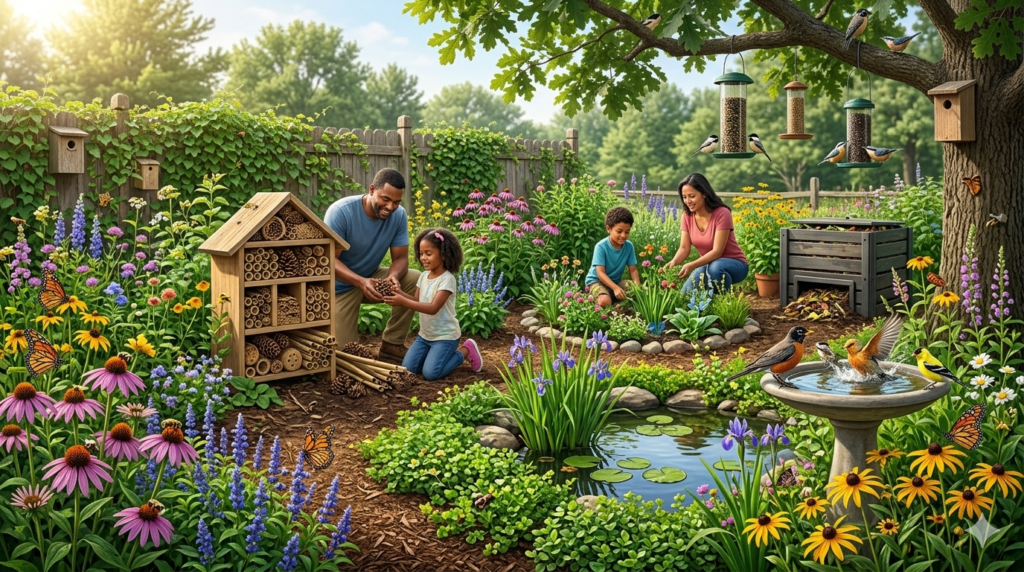
Weekly Outdoor Activity Planner: A Simple 7-Day Framework
A seven-day framework makes it easier to turn an idea into an actual routine.
The following plan combines short weekday activities with longer weekend options.
Monday–Friday: Short Outdoor Activities
Weekdays do not need to contain long outdoor sessions.
Try:
- 10–30 minute walks
- Outdoor stretching
- Lunch-break walks
- Short nature observation sessions
- Brief cycling
- Walking after dinner
Even when your schedule is crowded, a short activity can keep your weekly routine moving.
Saturday–Sunday: Longer Outdoor Experiences
Weekends can be used for activities that require more time.
Examples include:
- Hiking
- Cycling
- Family outings
- Longer walks
- Nature trips
- Outdoor games
- Exploring a local park
You don’t have to use both weekend days for demanding activities. One longer activity and one relaxed outdoor session can be enough.
Example Weekly Outdoor Activity Schedule
| Day | Activity | Suggested Time | Intensity | Backup Option |
|---|---|---|---|---|
| Monday | Nature walk | 15–20 min | Easy | Indoor stretching |
| Tuesday | Outdoor exercise | 20–30 min | Moderate | Home workout |
| Wednesday | Park walk | 20 min | Easy | Balcony/garden time |
| Thursday | Cycling | 30–45 min | Moderate | Brisk walking |
| Friday | Nature observation | 15–20 min | Easy | Journaling |
| Saturday | Hiking or family activity | 60–120 min | Moderate | Local park |
| Sunday | Relaxed outdoor walk | 30–60 min | Easy | Nature reflection |
Use this table as a starting point rather than a rigid schedule. Adjust the activities according to your location, responsibilities, fitness level, weather, and available time.
How to Make Your Weekly Outdoor Routine Sustainable
The purpose of a weekly plan is not to create a perfect seven-day streak. It is to create a routine that remains realistic over time.
Build Sustainable Outdoor Recreation Habits
Developing sustainable outdoor recreation habits starts with manageable commitments.
Instead of immediately planning long hikes every weekend, begin with activities you can repeat comfortably.
For example:
Week 1: Three short outdoor activities
Week 2: Three short activities + one longer session
Week 3: Maintain the same structure
Week 4: Review what worked and adjust
Gradual progression can make the routine easier to maintain.
Create a Backup Plan for Busy Weeks
Some weeks will be unusually demanding.
That is why it helps to prepare 10-minute and 20-minute alternatives.
Your backup list might include:
10-minute options
- Short walk
- Outdoor stretching
- Gardening
- Nature observation
20-minute options
- Brisk walk
- Easy cycling
- Park visit
- Outdoor bodyweight routine
These are useful outdoor activities for busy schedules because they allow you to adjust your plan rather than abandon it.
Track Your Weekly Outdoor Progress
Tracking can be simple.
At the end of each activity, record:
- Activity type
- Duration
- Energy level
- Mood
- Enjoyment
- Whether you completed the planned activity
At the end of each Sunday, review the week.
You may discover that a 20-minute evening walk was easier to maintain than a planned one-hour activity. That information can improve next week’s plan.
Outdoor Activities and Mental Wellbeing: Why the Habit Matters
Outdoor time can be more than physical activity. It can also provide a useful change of environment and an opportunity to slow down.
How Outdoor Activities Improve Wellbeing
People often associate outdoor activities with exercise, but the experience can involve much more.
Outdoor activities can provide opportunities for:
- Physical movement
- Relaxation
- Natural environmental exposure
- Social interaction
- Quiet reflection
- Routine and structure
- A break from screens and indoor environments
These factors can make outdoor time a valuable part of a broader wellbeing routine.
Outdoor Activities for Mental Wellbeing
Outdoor activities for mental wellbeing can be especially simple.
You could try:
- Mindful walking
- Sitting quietly in a park
- Gardening
- Nature observation
- Outdoor journaling
- Photography
- Slow walking without distractions
The aim is not to promise that outdoor activities will treat a mental health condition. Instead, think of outdoor time as one practical lifestyle habit that may support relaxation, movement, routine, and emotional balance.
If you’re dealing with significant or persistent mental health concerns, professional support can be important alongside lifestyle habits.
Turn Nature Time Into a Personal Reset
You can turn a short outdoor session into a personal reset by removing unnecessary distractions.
For 10–20 minutes:
- Put your phone away when practical.
- Walk at a comfortable pace.
- Notice sounds, colors, textures, and surroundings.
- Take a few slow breaths.
- Avoid rushing to the next task.
- Reflect briefly on how you feel afterward.
Even a short session can become a meaningful pause in a busy day.
Weekly Outdoor Activity Checklist
A checklist can make weekly outdoor activity planning much easier.
Before the Week Starts
- Choose 3–5 realistic outdoor activities.
- Check your weekly schedule.
- Check expected weather conditions.
- Prepare at least one backup activity.
- Select free or low-cost options where appropriate.
- Put your planned activities on your calendar.
- Consider who might join you.
During the Week
- Complete your planned short outdoor sessions.
- Record activity duration.
- Notice changes in energy and mood.
- Adjust the schedule when necessary.
- Use backup activities when circumstances change.
- Avoid treating one missed activity as a failed week.
End-of-Week Review
Ask yourself:
- What activities worked well?
- What caused difficulties?
- Which activity did I enjoy most?
- Which activity was easiest to maintain?
- Did weather affect my plans?
- Did I schedule too much?
- What should I change next week?
This short review turns each week into useful information for the next one.
Conclusion: Start Planning Your Outdoor Week Today
You do not need hours of free time to make outdoor activities part of your lifestyle.
To plan outdoor activities weekly, start with three realistic activities rather than trying to completely redesign your schedule.
Choose one short weekday activity, one additional flexible outdoor session, and one longer weekend experience. Then add a backup option for bad weather or an unexpectedly busy day.
The most useful plan is one that fits your actual life.
Choose your first outdoor activity, put it on your calendar, prepare a simple backup option, and start this week.
Frequently Asked Questions
There is no single duration that works for everyone. A short 10–20 minute walk can be useful when your schedule is busy, while longer activities can be planned when you have more time. Focus on creating a routine that is realistic for your circumstances.
Yes. Urban outdoor activities can include walking on local streets, visiting public parks, cycling, gardening, nature observation, outdoor photography, and exploring accessible green spaces. You do not necessarily need to live near mountains, forests, or other major natural areas.
Make the plan smaller and more flexible. Replace a 60-minute activity with a 15-minute alternative, move activities to a more convenient time, and prepare a backup option. The goal is to build consistency rather than maintain a perfect schedule.
Choose activities that genuinely interest you and vary your routine. You might combine walking with photography, gardening with family time, cycling with exploration, or nature observation with journaling. Inviting a friend or family member can also make outdoor time more engaging.

“Hi, I am Umer Hasib. I am a passionate blogger and content creator who loves exploring human psychology, social behaviors, and personal growth. Welcome to my inner space!”
Emily Carter:
“Really practical guide! I especially liked the 7-day outdoor activity planner because it makes spending more time outside feel simple and realistic, even with a busy schedule.”
“Thank you, Emily! I’m glad you found the 7-day planner practical. The goal was to make outdoor time feel achievable even during busy weeks, without adding unnecessary pressure. I really appreciate you sharing your thoughts!”
James Anderson:
“Great article! The weather backup plan and low-cost outdoor activity ideas are especially useful. I like the focus on consistency rather than trying to fit too many activities into one week.”is
“Thank you, James! I’m glad you found the weather backup ideas and low-cost activities useful. Keeping the routine simple and consistent really can make outdoor time much easier to maintain, especially during busy weeks.”