

Featured Snippet
Why People Avoid Commitment: People avoid commitment primarily due to underlying psychological fears, such as the fear of emotional vulnerability, past relationship trauma, and avoidant attachment styles. While individuals often crave love, anxiety over losing independence or experiencing rejection causes them to erect psychological defense mechanisms, leading to emotional distance and self-sabotaging behaviors in relationships.
Introduction
Entering a romantic relationship often begins with excitement, passion, and deep mutual affection. Yet, as emotional closeness deepens and conversations naturally turn toward the future, one or both partners may suddenly pull back, freeze, or push the other away. If you have ever wondered why people avoid commitment—even when they genuinely love or care for their partner—you are far from alone.
Relationship avoidance is one of the most widespread challenges in modern dating. It leaves many individuals asking painful questions: Is something wrong with me? Am I emotionally broken? Or is my partner simply incapable of loving me long-term?
Understanding commitment avoidance requires looking beyond simple labels like “players” or “phobics.” Below, we explore the deep-seated relationship commitment psychology, warning signs, root causes, gender dynamics, and actionable strategies to overcome commitment anxiety and build lasting emotional security.

Why Do People Avoid Commitment Even When They Want Love?
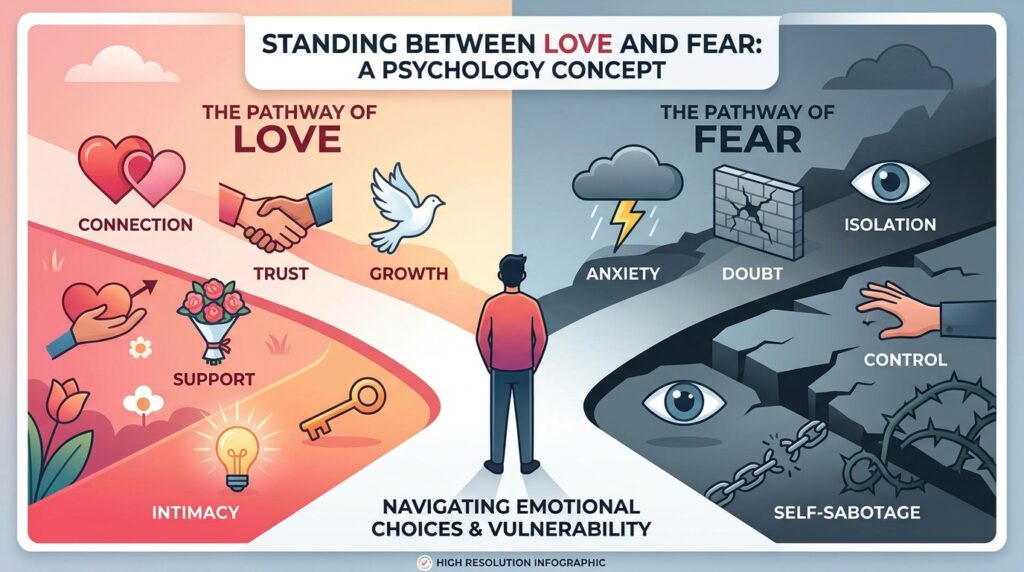
It is a common misconception that individuals who avoid commitment simply do not want a relationship. In reality, a profound psychological paradox often exists: the simultaneous desire for love and an intense fear of emotional proximity.
       ┌────────────────────────────────────────────────────────┐
       │             THE COMMITMENT PARADOX DYNAMICS            │
       └───────────────────────────┬────────────────────────────┘
                                   │
          ┌────────────────────────┴────────────────────────┐
          ▼                                                 ▼
┌───────────────────┐                             ┌───────────────────┐
│ DESIRE FOR INTIMACY │                             │ FEAR OF VULNERABILITY│
│ • Emotional warmth │  ◄─── INNER CONFLICT ───►  │ • Loss of autonomy│
│ • Long-term safety│                             │ • Fear of abandonment│
└───────────────────┘                             └───────────────────┘
Why Do Healthy Relationships Feel Scary?
For someone with unresolved attachment anxiety or fear of commitment, a healthy, peaceful relationship can actually feel far more threatening than a chaotic or emotionally unavailable one.
- Fear of Emotional Vulnerability: Opening your heart to someone means giving them the power to hurt you. For vulnerable individuals, intimacy feels like exposing an unprotected weakness.
- Emotional Intimacy Challenges: When a partner asks deep questions, requests quality time, or offers genuine tenderness, it triggers an instinctual urge to retreat or defend oneself.
- Relationship Anxiety and Doubts: A stable partner removes the “thrill of the chase,” leaving space for quiet intrusive thoughts: What if I get trapped? What if they realize I am not enough? What if this fails?
Why Am I Afraid of Relationships?
If you find yourself asking, “Why am I afraid of relationships?”, it helps to examine how your brain interprets intimacy:
- Fear of Long-Term Relationships: Long-term commitments imply permanence, compromising on lifestyle choices, and mutual accountability. For independent personality types, this can feel like an impending loss of identity or personal freedom.
- Fear of Rejection Psychology: Many people unconsciously push partners away first to avoid the unbearable pain of being rejected later. Pushing others away creates a false sense of control over an unpredictable outcome.
- Emotional Availability in Dating: Being emotionally available requires self-acceptance. If an individual struggles with self-worth, they may struggle to believe someone else could truly love them long-term.
The Hidden Conflict Between Desire and Fear
The tug-of-war between wanting connection and fearing intimacy creates severe inner tension:
- Relationship Commitment Psychology: The brain prioritizes safety over happiness. When emotional closeness triggers threat responses, defensive mechanisms kick in to protect the ego.
- Emotional Security in Relationships: Without a baseline sense of internal safety, external validation from a loving partner feels temporary, unstable, or untrustworthy.
- Dating and Relationship Expectations: Modern dating standards often demand rapid clarity and emotional availability, which can overwhelm individuals who process feelings at a slower pace.
What Causes Fear of Commitment?
To fix commitment issues, one must first identify where they originate. Commitment phobia is rarely a spontaneous personality trait; rather, it is a learned adaptive response to early life experiences or past wounds.
                         ROOT CAUSES OF COMMITMENT FEAR

    Childhood Attachment                   Past Trauma
  (Unreliable caregivers)            (Heartbreak & Betrayal)
             │                                  │
             └────────────────┬─────────────────┘
                              ▼
                   Psychological Defenses
                   • Avoidance & Isolation
                   • Hyper-Independence
How Do Commitment Issues Develop?
- Avoidant Attachment Style Traits: Formed early in life, individuals with avoidant attachment learn self-reliance as a survival mechanism, viewing emotional dependence on others as dangerous or foolish.
- Childhood Attachment Experiences: Children whose emotional needs were neglected, inconsistent, or met with criticism often grow into adults who believe that trusting people leads to disappointment.
- Attachment Theory in Psychology: Developed by John Bowlby, attachment theory demonstrates how early parental bonding dictates adult relationship dynamics, emotional regulation, and intimacy boundaries.
Can Childhood Trauma Cause Commitment Issues?
Yes, childhood or relationship trauma plays a foundational role in shaping future commitment behavior:
- Impact of Past Relationship Trauma: Experiencing infidelity, sudden abandonment, or emotional abuse in past relationships conditions the nervous system to expect pain whenever intimacy deepens.
- Relationship Trust Building Challenges: Trauma damages one’s inner trust filter, making it difficult to distinguish between a genuinely safe partner and a potential threat.
- Psychological Defense Mechanisms: Emotional wall-building, extreme cynicism, and hyper-vigilance serve as protective shields against recurring grief.
How Past Experiences Shape Present Relationships
- Trust Issues in Relationships: Unresolved betrayals create a constant state of suspicion, causing people to misinterpret innocent partner actions as red flags.
- Emotional Dependency Concerns: A fear of becoming overly dependent on a partner can cause individuals to reject support, preferring strict autonomy over vulnerability.
- Long-Term Relationship Success Barriers: Without addressing past baggage, old emotional wounds act as invisible barriers, preventing relationships from evolving beyond initial casual stages.

What Are the Signs of Commitment Issues?
Recognizing commitment avoidance in yourself or a partner is the first step toward positive change. Commitment issues present clear behavioral and emotional patterns.
Common Relationship Avoidance Behaviors
- Keeping conversations strictly surface-level and avoiding personal or emotional subjects.
- Consistently prioritizing work, hobbies, or friends over dynamic quality time with a partner.
- Expressing discomfort or irritation whenever conversations turn toward defining the relationship (DTR) or long-term planning.
Self-Sabotaging Relationship Patterns to Watch For
- Finding Petty Flaws: Unconsciously looking for microscopic faults in a partner (e.g., how they chew, their laugh) as an excuse to break off the relationship.
- Creating Unnecessary Conflict: Picking fights out of nowhere when a relationship becomes calm, comfortable, or intimate.
- Hot-and-Cold Behavior: Being intensely affectionate one week, followed by complete emotional distance or radio silence the next.
Commitment Red Flags in Dating
- Inconsistent Communication: Texting constantly for days, then disappearing without explanation when emotional closeness increases.
- Avoiding Future Plans: Refusing to book trips, attend events, or make commitments more than a few days or weeks in advance.
- Difficulty Defining Relationships: Using labels like “let’s keep things casual,”“let’s see where things go,” or avoiding terms like boyfriend/girlfriend after months of dating.
How Does Avoidant Attachment Affect Relationships?
Understanding avoidant attachment is central to comprehending why people avoid commitment. Avoidants do not lack feelings; rather, their emotional regulation systems are wired to minimize dependency.
               THE AVOIDANT ATTACHMENT DISTANCING CYCLE

       Intimacy Increases  ──►  Anxiety Triggered
              ▲                         │
              │                         ▼
     Partner Pulls Back    ◄─── Deactivating Strategy
     (Cycle Resets)             (Distance/Silence)
Understanding Avoidant Attachment Style Traits
- High value placed on complete self-sufficiency and independence.
- Tendency to suppress negative emotions and downplay emotional needs.
- Uncomfortable with intense displays of emotion, affection, or vulnerability from partners.
Why Emotional Closeness Feels Uncomfortable
When intimacy rises, an avoidant individual’s nervous system triggers a threat response. Emotional closeness feels like a loss of personal control, igniting the fear of rejection psychology and claustrophobic relationship anxiety. To restore internal comfort, they employ “deactivating strategies”—psychological tools designed to re-establish distance (e.g., ignoring texts, withdrawing physically, or focusing on work).
The Impact on Romantic Relationship Dynamics
An avoidant partner’s withdrawal often triggers an anxious partner’s fear of abandonment, creating the classic Anxious-Avoidant Trap. The anxious partner pursues closeness, causing the avoidant partner to withdraw further, ultimately compromising romantic relationship dynamics and deepening core trust issues.
Why Do Men Avoid Commitment?
While both men and women experience commitment fears, societal expectations and cultural conditioning can influence how these fears manifest in men.
Social and Psychological Factors
Historically, men have been socialized to suppress vulnerability, associate strength with emotional control, and view emotional openness as a sign of weakness. This cultural pressure amplifies the fear of emotional vulnerability in adult relationships.
Common Male Commitment Concerns
- Loss of Independence: Fearing that long-term relationships will strip away personal freedom, financial autonomy, and individual identity.
- Financial and Provider Pressure: Stress regarding financial readiness, career stability, or societal expectations to provide before making long-term commitments.
- Relationship Anxiety and Doubts: Persistent worries about choosing the “wrong” person or locking themselves into a life path prematurely.
Myths Versus Reality About Male Commitment
- Myth: Men who avoid commitment simply want to date multiple people endlessly.
- Reality: Most men who pull back are experiencing genuine psychological overwhelm, fear of failure, or unresolved emotional trauma from previous relationships.

Why Do Women Avoid Commitment?
Female commitment avoidance is frequently overlooked due to traditional stereotypes that assume women always seek immediate long-term security. However, female commitment anxiety is equally prevalent and deeply complex.
Emotional and Relationship Factors
Women often avoid commitment to protect their emotional, financial, and personal autonomy. High standards, past disillusionment, and fears of emotional burnout contribute significantly to female relationship avoidance.
The Role of Past Relationship Trauma
- Impact of Past Relationship Trauma: Women who experienced emotional neglect, manipulation, or toxic dynamics in prior relationships often build strong emotional barriers to prevent recurring harm.
- Childhood Attachment Experiences: Growing up in environments where emotional needs were ignored can lead women to develop intense hyper-independence, viewing reliance on a partner as risky.
Common Misconceptions About Female Commitment
- Misconception: A woman avoiding commitment is playing hard-to-get or manipulating her partner.
- Reality: She may be using protective psychological defense mechanisms to evaluate whether a partner is genuinely safe, emotionally steady, and capable of a healthy partnership.
Can Commitment Issues Be Fixed?
Yes, commitment issues can be resolved. With dedicated self-awareness, intentional practice, and a willingness to embrace vulnerability, individuals can transition from an avoidant attachment style toward earned secure attachment.
                     PATHWAY TO EMOTIONAL SECURITY

   Self-Awareness    ──►   Therapeutic Tools   ──►   Gradual Intimacy
 (Identify Triggers)     (Challenge Beliefs)      (Small Daily Steps)
How to Overcome Fear of Commitment
- Building Emotional Awareness: Identify specific triggers that prompt the desire to run away or pull back from a partner.
- Challenging Negative Beliefs: Reframe distorted thoughts like “Intimacy means losing my freedom” to “Healthy commitment supports both freedom and partnership.”
- Developing Trust Gradually: Practice sharing small, honest feelings with a safe partner instead of completely suppressing emotions.
Practical Steps to Build Relationship Security
- Establish Clear Boundaries: Define personal needs clearly so you do not feel overwhelmed or suffocated by your partner.
- Practice Micro-Vulnerability: Share one small personal fear, goal, or feeling each week to build emotional stamina.
- Focus on the Present: Shift focus away from terrifying 10-year projections and focus instead on evaluating the health of the relationship today.
When Professional Support Can Help
- Attachment-Based Therapy: Helps uncover childhood origins of relationship fears and re-wires behavioral responses.
- Relationship Counseling: Offers a neutral environment for couples to improve communication, manage anxiety, and establish healthy dynamics.
- Personal Growth Strategies: Individual cognitive behavioral therapy (CBT) helps challenge irrational relationship fears and rebuild self-worth.
How to Date Someone With Commitment Issues
Dating a partner who struggles with commitment requires patience, realistic expectations, and clear personal boundaries.
Recognize the Difference Between Fear and Disinterest
- Fear of Commitment: A partner displays genuine care, affection, and effort when close, but pulls back when conversations become intensely serious or futuristic.
- Lack of Interest: A partner is consistently indifferent, lazy, disrespectful, or uninvested in your life and well-being.
Healthy Ways to Support Your Partner
- Avoid pressuring them with ultimatums or demanding rapid relationship milestones.
- Maintain consistent, calm communication rather than reacting impulsively to their temporary withdrawal.
- Encourage their personal interests, friendships, and independence outside the relationship.
Boundaries That Protect Both Partners
While offering support is important, you must protect your own emotional well-being:
- Do not pause your life or compromise core values waiting for someone who refuses to address their issues.
- Set clear timelines and expectation check-ins to ensure your emotional needs are being respected.
Commitment Issues Self-Assessment Checklist
Use this quick evaluation to determine whether commitment anxiety may be affecting your personal life or romantic relationships.
Quick Self-Evaluation Checklist
- [ ] Do you feel an overwhelming urge to run away when a relationship becomes peaceful and stable?
- [ ] Do you frequently break off relationships over minor, insignificant flaws?
- [ ] Do you struggle or feel uncomfortable making plans for the future (even a few weeks ahead)?
- [ ] Do you keep your deepest thoughts and feelings hidden from your partner?
- [ ] Do you view commitment as a threat to your personal freedom and independence?
Common Causes and Their Relationship Effects
| Cause | Typical Behavior | Relationship Impact |
| Avoidant Attachment | Emotional distance, hyper-independence | Reduced intimacy, partner frustration |
| Past Trauma | Trust issues, constant suspicion | Relationship instability, frequent arguments |
| Fear of Rejection | Pushing partners away pre-emptively | Missed opportunities for deep connection |
| Self-Sabotage | Pulling away during peak intimacy | Emotional confusion, premature breakups |
| Relationship Anxiety | Overthinking, constant doubt | Communication breakdowns, burnout |
Distribution of Primary Relationship Fears
Below is an overview of the psychological origins behind commitment-related anxiety:
─────────────────────────────────────────────────────────────────
Origin of Commitment Fears               Percentage
─────────────────────────────────────────────────────────────────
Past Relationship Trauma & Betrayal      ██████████████████ 35%
Avoidant Attachment (Childhood)          ████████████████ 30%
Fear of Loss of Independence             ██████████ 20%
General Anxiety & Self-Doubt             ██████ 15%
─────────────────────────────────────────────────────────────────
Conclusion: Understanding and Overcoming Commitment Avoidance
Key Takeaways
- Rooted in Fear, Not Lack of Love: Commitment avoidance is rarely about a lack of affection; it is a psychological defense against vulnerability and loss of autonomy.
- Driven by Attachment and History: Childhood attachment styles and past heartbreak strongly influence how secure or anxious we feel in adult relationships.
- Healable Through Awareness: With dedication, self-reflection, and proper support, anyone can learn to manage commitment anxiety and build secure attachments.
Action Steps for Readers
- Identify Your Triggers: Pay attention to the specific moments you feel the urge to retreat or create conflict in your relationship.
- Practice Open Communication: Share your anxieties with your partner rather than retreating into silence.
- Consider Professional Guidance: Work with an attachment-focused therapist to process past trauma and build healthy relationship skills.
Final Thought
Healthy commitment is not a cage that steals your freedom; it is a secure anchor that provides safety, mutual growth, and deep, lasting connection. Taking small steps toward emotional vulnerability today can unlock the rewarding, long-term love you deserve.
Frequently Asked Questions (FAQs)
Yes, individuals with commitment issues experience deep feelings of love and affection. However, their fear response often overwhelms their ability to stay comfortably in love, leading them to pull back when intimacy peaks.
Commitment phobia is a broad behavioral term describing the persistent fear of long-term dedication, whereas avoidant attachment is an established psychological classification that explains why that fear exists based on early caregiver experiences.
Overcoming commitment fear varies by individual. With self-reflection, active practice of vulnerability, or professional therapy, meaningful progress and emotional security can often be built within 6 to 12 months.
You should only stay if your partner actively acknowledges their commitment fears and demonstrates a consistent effort to work through them. Remaining with a partner who denies the issue can lead to emotional exhaustion and resentment.

“Hi, I am Umer Hasib. I am a passionate blogger and content creator who loves exploring human psychology, social behaviors, and personal growth. Welcome to my inner space!”
Name: Sarah Jenkins
This post really opened my eyes to how unresolved fear can silently ruin a great relationship. I’ve definitely caught myself overthinking and pulling away whenever things start getting serious, thinking I was just preserving my independence. The section on avoidant attachment traits was a massive lightbulb moment for me. Thank you for such an empathetic and practical breakdown!
Hi Sarah, thank you for your kind words! That realization about independence versus avoidance is something so many people navigate silently. Unpacking those attachment traits can feel like solving a huge puzzle piece in our relationships. I’m so glad the article resonated with you and offered some helpful insights!
Name: Marcus Vance
A wonderfully detailed and well-written article. The distinction between a partner who is genuinely afraid versus one who is simply disinterested is something a lot of people need to hear. Breaking down the root causes makes it so much easier to handle these situations with patience rather than frustration. Great read!
Hi Marcus, thanks for the great feedback! I’m really glad that distinction resonated with you. Navigating commitment dynamics requires a delicate balance of patience and clarity, so it means a lot to know the breakdown was helpful. Thanks for dropping by and reading!