

SEO Featured Snippet (45–60 words)
Organic food vs conventional food is one of the most debated nutrition topics today. Research shows organic foods generally contain lower pesticide residues and slightly higher antioxidant levels, while conventional foods remain safe under regulatory standards. Ultimately, eating plenty of fruits, vegetables, and whole foods—whether organic or conventional—is more important than avoiding produce altogether.
Introduction
When shopping for groceries, many people wonder whether paying extra for organic products is worth it. Labels promising “organic,” “natural,” or “chemical-free” often create confusion, making it difficult to know which foods actually benefit your health.
The debate surrounding organic food vs conventional food isn’t as simple as saying one is good and the other is bad. Scientific evidence suggests both have advantages and limitations. Organic farming reduces reliance on synthetic pesticides and fertilizers, while conventional agriculture produces affordable food at large scale.
This guide examines peer-reviewed research, nutritional science, environmental impacts, pesticide exposure, farming methods, and practical shopping advice to help you make informed choices based on your health goals and budget.
Is Organic Food Actually Healthier Than Conventional Food? Breaking Down the Science
Many consumers ask:
- Is organic food healthier?
- Are organic vegetables more nutritious?
- Is the higher price justified?
The answer depends on what “healthier” means. Researchers generally evaluate food using several important factors:
- Nutrient density
- Antioxidant content
- Pesticide residues
- Environmental impact
- Food safety
- Long-term health outcomes
Let’s examine each area individually.
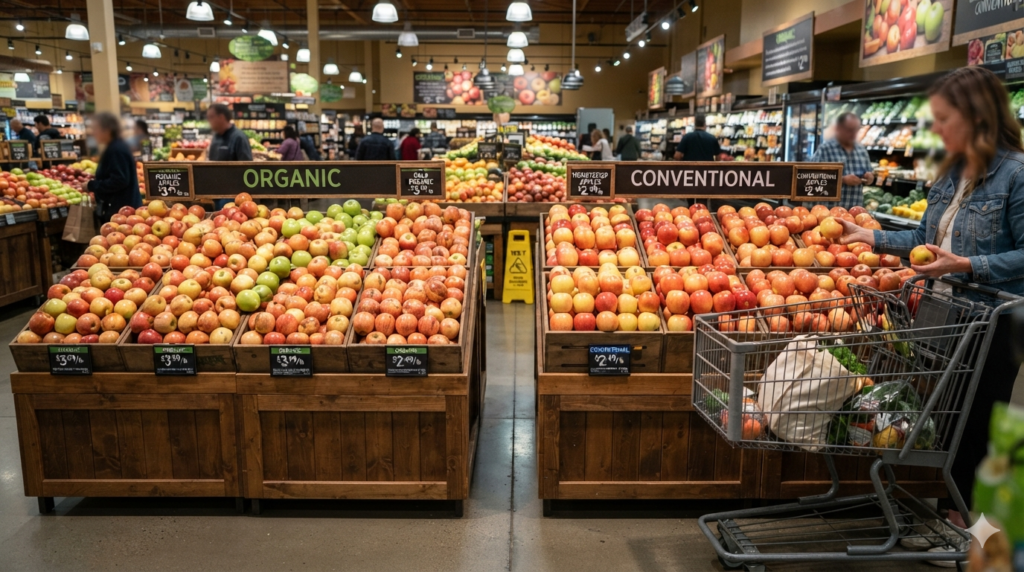
Comparative Nutritional Density Analysis: Antioxidants and Vitamins
One of the biggest arguments supporting organic agriculture is its potential for higher concentrations of natural protective compounds.
Comparative Nutritional Density Analysis
Multiple peer-reviewed studies suggest that certain organic fruits and vegetables contain moderately higher concentrations of beneficial plant compounds known as polyphenols.
These natural compounds include:
- Flavonoids
- Anthocyanins
- Phenolic acids
- Carotenoids
Collectively, these substances help plants defend themselves against insects, diseases, UV radiation, and environmental stress.
Polyphenol and Antioxidant Concentrations
Because organic crops aren’t routinely protected with synthetic pesticides, plants often activate their own defense systems. This natural stress response can increase the production of antioxidants.
Several scientific reviews have reported:
- Up to 20–40% higher polyphenol levels in selected organic fruits and vegetables.
- Slightly higher concentrations of vitamin C in some organic crops.
- Comparable mineral levels between organic and conventional produce.
- Significant variation depending on crop variety, soil quality, weather, and harvest timing.
Examples where antioxidant differences are commonly observed include:
- Strawberries
- Blueberries
- Tomatoes
- Apples
- Leafy greens
However, these differences are not universal. Some vegetables show almost identical nutritional profiles regardless of farming method.
What Influences Nutrient Levels?
Nutrition depends on many factors beyond organic certification:
- Soil quality
- Plant variety
- Climate
- Irrigation
- Harvest maturity
- Freshness after harvest
- Storage conditions
For example, a freshly harvested local conventional tomato may contain more nutrients than an imported organic tomato stored for several weeks.
Scientific Consensus
Current evidence suggests organic foods may provide a modest nutritional advantage in antioxidants, but the difference is generally small compared to the benefits of eating a diet rich in fruits and vegetables overall.
Do Organic Crops Have Higher Nutrient Levels?
Do Organic Crops Have Higher Nutrient Levels?
Yes—but only slightly in many cases.
Studies comparing thousands of food samples indicate that some organic produce contains:
- Higher antioxidant concentrations
- Lower cadmium accumulation in certain crops
- Slightly increased vitamin C in selected fruits
However, protein, calcium, potassium, magnesium, iron, and many essential vitamins often show minimal differences between farming systems.
Is Organic Food Actually Healthier Than Conventional Food?
This is where many headlines oversimplify the science.
Although organic produce can contain somewhat higher antioxidant levels, researchers have not consistently demonstrated that these modest differences translate into major improvements in long-term health outcomes for the average person.
What has a much larger impact on health includes:
- Eating enough vegetables daily
- Choosing whole grains
- Limiting ultra-processed foods
- Reducing added sugars
- Maintaining healthy body weight
- Exercising regularly
In other words, eating five servings of conventional vegetables every day is far healthier than eating very few vegetables simply because organic options are too expensive.
Quality Matters More Than Labels
Whether organic or conventional, prioritize foods that are:
- Fresh
- Seasonal
- Minimally processed
- Rich in fiber
- Colorful and varied
These factors have stronger scientific support than choosing one farming method exclusively.
Meat and Dairy: Are Organic Options More Nutritious?
Organic standards don’t apply only to fruits and vegetables. They also affect how livestock are raised, what they eat, and how diseases are managed.
Are Organic Milk and Meat Higher in Omega-3 Fatty Acids?
Research consistently finds that pasture-raised organic livestock often produce milk and meat containing higher levels of beneficial omega-3 fatty acids.
This occurs because grass-based diets naturally increase healthy fats in animal tissues.
Organic dairy products may contain:
- Higher omega-3 fatty acids
- Increased conjugated linoleic acid (CLA)
- Improved omega-3 to omega-6 fatty acid balance
These nutrients contribute to:
- Heart health
- Brain function
- Reduced inflammation
- Cell membrane health
The exact nutritional difference depends on grazing practices, seasonal pasture availability, and animal feed.
Routine Antibiotic and Growth Hormone Usage
Organic livestock production follows stricter regulations than conventional systems.
Generally, certified organic farms prohibit:
- Routine antibiotic use for growth promotion
- Synthetic growth hormones
- Most genetically engineered feed ingredients
Conventional farming may permit certain veterinary antibiotics when animals are ill and follows regulations governing withdrawal periods before products enter the food supply.
For consumers wishing to reduce exposure to farm-level antibiotic practices, organic meat and dairy may align better with their preferences.
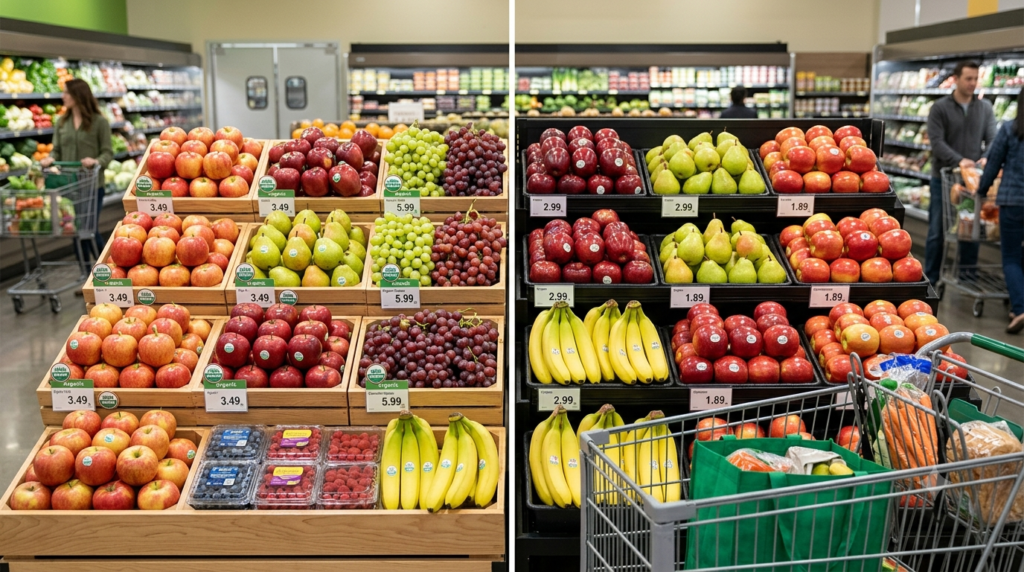
Featured Snippet Callout: Organic vs Conventional Milk
Grass-fed organic milk generally contains a more favorable omega-3 to omega-6 fatty acid ratio than conventional milk. This nutritional advantage is primarily linked to pasture-based feeding systems rather than the organic label itself, although farming standards often encourage these practices.
Pesticide Residues, Chemical Exposure, and Human Health Risks
One of the strongest reasons consumers choose organic food is concern about pesticide exposure.
But are conventional fruits and vegetables actually dangerous?
Let’s look at what the evidence says.
Does Conventional Produce Contain Dangerous Levels of Pesticides?
Does Conventional Produce Contain Dangerous Levels of Pesticide Residue?
Modern agriculture uses pesticides to protect crops from insects, fungi, weeds, and plant diseases. Regulatory agencies establish synthetic pesticide residue limits—known as Maximum Residue Limits (MRLs)—to help ensure that foods reaching consumers remain within safety thresholds.
Food monitoring programs in many countries routinely test produce for pesticide residues. Most samples are found to comply with these legal limits, although residue levels can vary by crop and region.
Synthetic Pesticide Residue Limits
It’s important to distinguish between detecting a residue and detecting a harmful level.
A detectable residue does not necessarily mean there is a health risk. Safety assessments typically incorporate large margins intended to keep consumer exposure well below levels associated with harm.
That said, some scientists continue to study whether repeated low-level exposure—especially among children, pregnant individuals, or agricultural workers—could have long-term effects. This remains an active area of research.
Bioaccumulation of Agricultural Chemicals
Certain agricultural chemicals can persist in the environment or accumulate in ecosystems over time. However, bioaccumulation of agricultural chemicals depends on the specific substance, how it is used, and environmental conditions.
Certified organic farming generally reduces dietary exposure to many synthetic pesticide residues by relying more on biological pest management and approved natural control methods. This is one reason consumers concerned about chemical exposure may prefer organic produce.
Pesticide Residues, Chemical Exposure, and Human Health Risks (Continued)
Navigating the EWG Dirty Dozen and Clean Fifteen Lists
One of the most common questions shoppers ask is:
Which Fruits and Vegetables Should You Always Buy Organic?
If your grocery budget is limited, purchasing every item organically may not be realistic. A practical approach is to prioritize organic options for produce that tends to have higher pesticide residue levels while buying conventional produce that generally has lower residues.
The EWG Dirty Dozen and Clean Fifteen lists are widely referenced by consumers for this purpose. These lists are updated periodically based on pesticide residue testing data. While some scientists debate the methodology behind the rankings, many shoppers use them as a budgeting tool rather than a measure of food safety.
Consider Buying Organic When Possible
Produce with thin or edible skins often appears on higher-residue lists, such as:
- Strawberries
- Spinach
- Kale
- Grapes
- Apples
- Peaches
- Cherries
- Nectarines
Conventional Choices Often Offer Good Value
Many thick-skinned fruits and vegetables generally contain much lower residue levels after peeling or natural protection, including:
- Avocados
- Pineapples
- Sweet corn (non-GMO organic if preferred)
- Onions
- Cabbage
- Mushrooms
- Kiwi
- Bananas
Smart Shopping Strategy
Instead of following any single list blindly:
- Buy seasonal produce whenever possible.
- Wash all fruits and vegetables thoroughly.
- Peel thick-skinned produce if appropriate.
- Choose frozen fruits and vegetables when fresh options are expensive.
- Focus on eating more produce overall rather than avoiding it because it is not organic.
A healthy diet rich in fruits and vegetables provides benefits that far outweigh concerns about pesticide residues for most people.
Heavy Metal Soil Contamination and Long-Term Exposure
Pesticides are not the only concern associated with agriculture. Naturally occurring and industrial contaminants in soil can also influence food quality.
Heavy Metal Soil Contamination Risks
Heavy metals such as:
- Cadmium
- Lead
- Arsenic
- Mercury
may enter agricultural soils through natural geological sources, industrial pollution, mining, irrigation water, or historical land use.
Plants absorb these elements differently depending on:
- Soil pH
- Organic matter
- Crop species
- Water availability
- Fertilizer practices
Some research suggests organically managed soils with higher organic matter can reduce the availability of certain heavy metals to plants. For example, higher soil organic carbon may bind cadmium more effectively, limiting plant uptake under some conditions. However, this varies by location and is not guaranteed.
Long-Term Health Considerations
Long-term exposure to elevated heavy metal levels has been associated with adverse health effects. Regulatory agencies monitor foods and establish limits for contaminants to reduce consumer risk.
Both organic and conventional farms can be affected if soil is contaminated. Organic certification does not automatically mean a product is free from heavy metals; the environmental quality of the growing area remains an important factor.
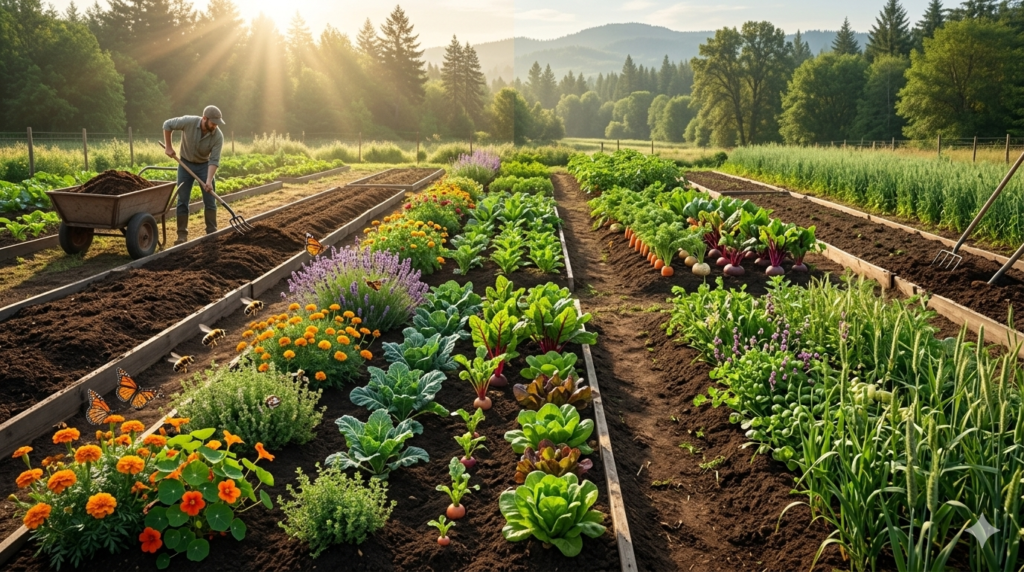
Farming Methods Compared: Organic vs. Conventional Agriculture
The difference between organic and conventional food begins long before products reach supermarket shelves. Farming practices influence soil health, biodiversity, water quality, and crop resilience.
What Are the Main Differences Between Organic and Conventional Farming Methods?
What Are the Main Differences Between Organic and Conventional Farming Methods?
Although both farming systems aim to produce safe, nutritious food, they rely on different production strategies.
| Organic Farming | Conventional Farming |
|---|---|
| Biological pest management | Synthetic pesticides when needed |
| Compost and natural fertilizers | Synthetic fertilizers widely used |
| Crop rotation encouraged | Crop rotation varies by farm |
| GMOs generally prohibited under certification | GMOs may be used where approved |
| Greater emphasis on soil biology | Greater emphasis on maximizing yield |
Soil Health and Crop Rotation Practices
Healthy soil is the foundation of sustainable agriculture.
Organic farming often emphasizes:
- Crop rotation
- Compost application
- Cover crops
- Reduced soil erosion
- Beneficial microorganisms
- Earthworm populations
- Natural nutrient cycling
These practices improve soil structure, increase water retention, and help reduce erosion over time.
Conventional farming may also use crop rotation and conservation techniques, but intensive production systems sometimes rely more heavily on synthetic fertilizers to maintain yields.
Neither system is universally good or bad; outcomes depend on farm management.
Soil Degradation, Groundwater Safety, and Fertilizer Run-off
Agriculture can significantly affect surrounding ecosystems.
How Does Conventional Agriculture Affect Soil Quality and Groundwater Safety?
One environmental challenge involves nitrate and artificial fertilizer run-off.
When excessive nitrogen fertilizer is applied:
- Rainwater carries nitrates into rivers.
- Lakes experience nutrient overload.
- Algae blooms become more common.
- Oxygen levels decrease.
- Aquatic ecosystems suffer.
These low-oxygen regions are commonly known as “dead zones.”
Topsoil Loss
Conventional monoculture systems may increase the risk of:
- Soil erosion
- Reduced organic matter
- Compaction
- Lower biodiversity
However, conservation agriculture techniques—such as no-till farming and cover cropping—can substantially reduce these risks.
Organic systems often improve soil organic matter over time, though they may still experience erosion if land is not managed carefully.
Groundwater Protection
Healthy soils absorb rainfall more effectively, helping reduce nutrient leaching into groundwater. Practices that build soil structure—whether organic or conventional—can improve water quality and long-term farm resilience.
Industrial Agriculture vs. Biodiversity and Global Carbon Footprint
Modern food production influences biodiversity and climate.
Monoculture Farming vs Biodiversity Conservation
Large-scale industrial agriculture frequently relies on monoculture, where a single crop is grown across extensive areas.
Advantages include:
- Efficient harvesting
- Mechanization
- High productivity
- Lower production costs
Challenges include:
- Reduced wildlife habitat
- Greater pest vulnerability
- Lower genetic diversity
- Increased dependence on external inputs
Organic farms often encourage greater crop diversity through mixed planting systems, hedgerows, flowering borders, and habitat conservation, supporting beneficial insects and pollinators.
Carbon Footprint of Industrial Agriculture
The environmental impact of food production extends beyond the farm.
Major contributors include:
- Fertilizer manufacturing
- Fuel consumption
- Transportation
- Refrigeration
- Food processing
- Packaging
Organic farming generally requires less synthetic nitrogen fertilizer production, which can reduce certain greenhouse gas emissions. However, because organic yields are sometimes lower, more land may be needed to produce the same amount of food, potentially offsetting some environmental gains.
For this reason, scientists evaluate sustainability using multiple indicators rather than assuming one farming system is always superior.

Organic vs. Conventional Food Comparison Matrix
Featured Snippet Comparison Table
| Feature / Metric | Certified Organic Produce | Conventional Produce | Practical Consumer Impact |
|---|---|---|---|
| Synthetic Pesticides | Synthetic pesticides are largely prohibited; approved biological methods are used. | Synthetic pesticides are permitted within regulatory limits. | Organic generally reduces dietary exposure to many synthetic residues. |
| GMO Content | GMOs are prohibited under certified organic standards. | GMOs may be used where regulations allow. | Organic certification assures compliance with non-GMO requirements. |
| Antibiotics / Hormones | Routine antibiotics and synthetic growth hormones are prohibited in organic livestock production. | Veterinary antibiotics and some growth-promoting practices may be permitted under regulations, depending on the country. | Organic appeals to consumers seeking stricter livestock production standards. |
| Nutritional Density | Often contains slightly higher polyphenol and antioxidant levels. | Similar vitamin and mineral profile overall. | Organic may offer a modest antioxidant advantage. |
| Average Cost Difference | Typically costs 20–50% more. | Generally more affordable. | Budget is often the deciding factor for many households. |
Labels, Certification Standards, and Deceptive Marketing Claims
Food packaging is full of marketing terms that can be confusing. Words like “natural,” “farm fresh,” and “eco-friendly” are often used to attract buyers, but they do not always have legally defined meanings. Understanding official certifications helps you make informed purchasing decisions.
How Can You Tell if a Product Is Truly 100% Organic?
Consumers often assume every product labeled “organic” follows the same rules, but certification standards vary depending on the percentage of organic ingredients.
USDA Organic Certification Standards
In the United States, products certified under USDA organic certification standards generally fall into these categories:
100% Organic
- Every ingredient (except water and salt) is certified organic.
- Eligible to display the USDA Organic Seal.
Organic
- At least 95% of ingredients are certified organic.
- Remaining ingredients must meet approved standards.
- May display the USDA Organic Seal.
Made with Organic Ingredients
- Contains at least 70% certified organic ingredients.
- Cannot display the USDA Organic Seal.
- May state “Made with Organic…” followed by specific ingredients.
Less Than 70% Organic Ingredients
- Cannot be marketed simply as organic.
- Organic ingredients may only be listed within the ingredient statement.
International Organic Certifications
Many countries have equivalent certification systems, including:
- European Union Organic Logo
- Canada Organic Regime
- Japan JAS Organic
- Australia Certified Organic
- UK Organic Certification bodies
Always look for an official certification logo instead of relying on marketing phrases like “all-natural” or “chemical-free.”
Are Non-GMO Foods the Same as Certified Organic Foods?
Are Non-GMO Foods the Same as Certified Organic Foods?
No.
This is one of the biggest misconceptions among consumers.
| Certified Organic | Non-GMO |
|---|---|
| GMOs prohibited | Focuses only on GMO avoidance |
| Restricts most synthetic pesticides | May still use conventional pesticides |
| Organic livestock standards apply | Does not regulate livestock practices |
| Soil conservation practices encouraged | No farming practice requirements |
Genetically Modified Organisms (GMOs) Prohibition
Organic certification includes restrictions that go far beyond avoiding genetically modified organisms.
A food labeled Non-GMO:
- Is not necessarily organic.
- May still be grown using conventional synthetic pesticides or fertilizers.
- May come from conventional farming systems.
Conversely, certified organic products are required to comply with standards that prohibit the intentional use of GMOs.
The Practical Economics and Global Realities of Organic Eating
While organic food offers certain advantages, cost remains one of the biggest barriers for many families.
Why Is Organic Food More Expensive Than Non-Organic Food?
Why Is Organic Food More Expensive Than Non-Organic Food?
Organic food often costs 20–50% more because production requires additional time, labor, and certification.
Major cost factors include:
- Lower average crop yields in some systems
- Manual weed control
- Biological pest management
- Organic feed for livestock
- Certification fees
- Farm inspections
- Separate storage and transportation
- Smaller production volumes
These higher production costs are reflected in supermarket prices.
Is Organic Worth the Extra Cost?
The answer depends on your priorities.
You may choose organic if you want to:
- Reduce exposure to many synthetic pesticide residues.
- Support farming practices focused on soil health.
- Avoid GMOs under certified standards.
- Purchase meat and dairy produced under stricter livestock rules.
However, if your budget is limited, buying conventional fruits and vegetables is still an excellent choice compared with eating fewer plant foods.
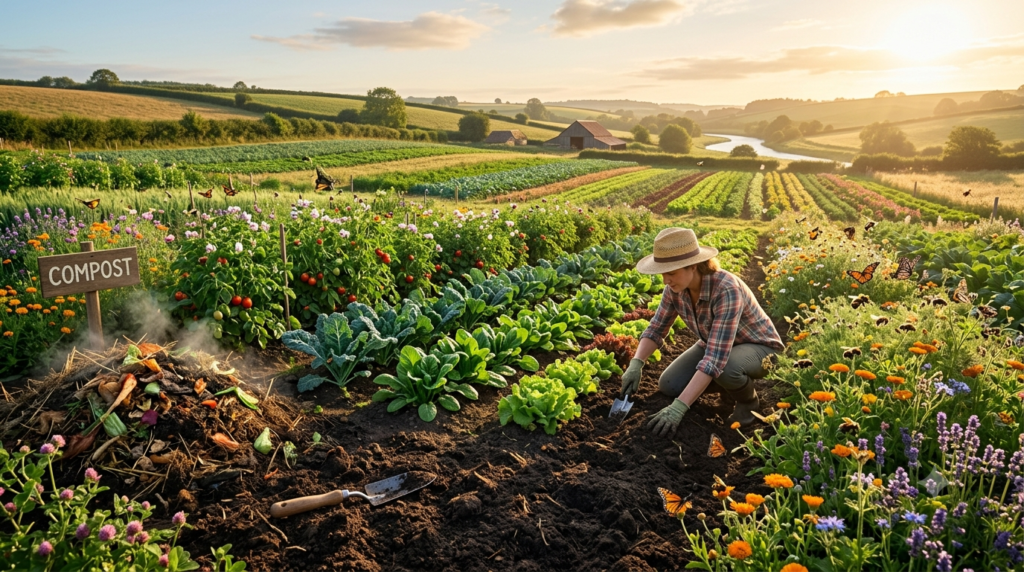
Can Organic Farming Produce Enough Yield to Feed the World?
Can Organic Farming Produce Enough Yield to Feed the Global Population?
This remains one of agriculture’s most debated questions.
Research suggests that organic farming can perform well for certain crops and regions, but average yields are often lower than those of intensive conventional systems. The size of the yield gap depends on crop type, climate, soil quality, and management practices.
Supporters of organic farming argue that:
- Healthier soils may improve long-term resilience.
- Reduced chemical inputs benefit ecosystems.
- Less food waste and improved diets can help meet future food needs.
Others emphasize that feeding a growing global population may require combining the strengths of both organic and conventional agriculture.
Many experts support an integrated approach that uses sustainable practices, modern technology, and responsible resource management.
Pragmatic Buyer’s Guide: How to Eat Smart on Any Budget
Healthy eating should be practical, affordable, and sustainable—not stressful.
Is Eating Conventional Produce Better Than Skipping Fruits and Vegetables Entirely?
Is Eating Conventional Produce Better Than Not Eating Fruits and Vegetables at All?
Absolutely.
Nutrition experts consistently agree that eating enough fruits and vegetables is one of the most important factors for long-term health.
Whether your produce is organic or conventional, consuming a variety of colorful plant foods supports:
- Heart health
- Digestive health
- Immune function
- Healthy weight management
- Reduced risk of many chronic diseases
If choosing conventional produce allows you to eat more fruits and vegetables within your budget, it is a smart and healthy decision.
Step-by-Step: How to Properly Wash Conventional Produce to Reduce Residues
How Do I Properly Wash Conventional Produce to Remove Pesticides?
Although washing cannot remove pesticides that have entered the plant, it can reduce surface dirt, bacteria, and some pesticide residues.
Step 1
Wash your hands before handling fresh produce.
Step 2
Rinse fruits and vegetables under clean running water for at least 20–30 seconds.
Step 3
Gently rub firm produce such as apples, cucumbers, potatoes, and carrots with your hands or a clean produce brush.
Step 4
For produce with tougher skins, soaking briefly in a baking soda solution (about 1 teaspoon of baking soda per 2 cups of water) followed by a thorough rinse may help remove more surface residues.
Step 5
Dry produce with a clean towel or paper towel before storage.
Avoid These Common Mistakes
- Do not wash produce with dish soap or detergent.
- Avoid bleach or household cleaning products.
- Wash produce just before eating rather than before long-term storage to help maintain freshness.
Conclusion: Making the Right Grocery Choices for Your Health and Household
The debate over organic food vs conventional food does not have a simple winner.
Scientific evidence indicates that organic foods generally contain lower levels of many synthetic pesticide residues and may offer modestly higher concentrations of antioxidants such as polyphenols. Organic meat and dairy can also provide a more favorable omega-3 fatty acid profile, particularly when animals are pasture-raised.
At the same time, conventionally grown fruits and vegetables remain nutritious and are regulated to meet food safety standards in many countries. For most people, the greatest health benefit comes from eating a diverse diet rich in fruits, vegetables, whole grains, legumes, nuts, and minimally processed foods—regardless of whether those foods are organic or conventional.
If your budget allows, prioritize organic options for produce that tends to have higher pesticide residues. Otherwise, confidently enjoy conventional produce after washing it properly. A diet centered on whole foods is far healthier than one dominated by ultra-processed products.
Call to Action (CTA)
Download or create a printable Dirty Dozen Buying Checklist and keep it on your phone or refrigerator. It can help you decide when choosing organic may be worthwhile while keeping your grocery spending under control.
Frequently Asked Questions (FAQs)
Taste depends more on freshness, variety, ripeness, and storage conditions than on whether a food is organic or conventional. Some people prefer the flavor of locally grown organic produce, but scientific studies have not found a consistent taste difference.
Both organic and conventional foods can be part of a healthy diet for children. Parents who wish to reduce exposure to synthetic pesticide residues may choose organic when possible, but the most important priority is ensuring children eat enough fruits and vegetables every day.
Yes. Frozen organic vegetables are often processed shortly after harvest, helping preserve vitamins and minerals. In some cases, they may retain nutrients as well as—or even better than—fresh produce stored for several days.
No. If cost is a concern, focus on eating a variety of fruits, vegetables, and whole foods. Prioritizing organic purchases for produce with higher potential pesticide residues while buying conventional options for lower-risk items is a practical approach.

“Hi, I am Umer Hasib. I am a passionate blogger and content creator who loves exploring human psychology, social behaviors, and personal growth. Welcome to my inner space!”
Rosen Jenkins
This breakdown hits the nail on the head! I used to assume buying organic across the board was the only way to protect my health, but understanding the nuance between the Dirty Dozen and lower-risk conventional produce has completely transformed my grocery budget without sacrificing quality. Fantastic, well-researched article!
Spot on, Rosen! Shopping smart beats spending blindly every time. So happy to hear the breakdown brought some clarity and helped save a few bucks at checkout!
David Miller
As someone who works in agricultural supply chains, I really appreciate how balanced this piece is—especially the section highlighting soil quality and groundwater safety. Many people focus purely on personal nutrition, but the environmental aspect of industrial farming vs. crop rotation is where the real conversation needs to happen. Great read!
Thanks so much, David! You hit the nail on the head—the conversation around farming methods has to go beyond just what’s on our plates and look at the bigger ecosystem. Really appreciate your expert insight and support!