
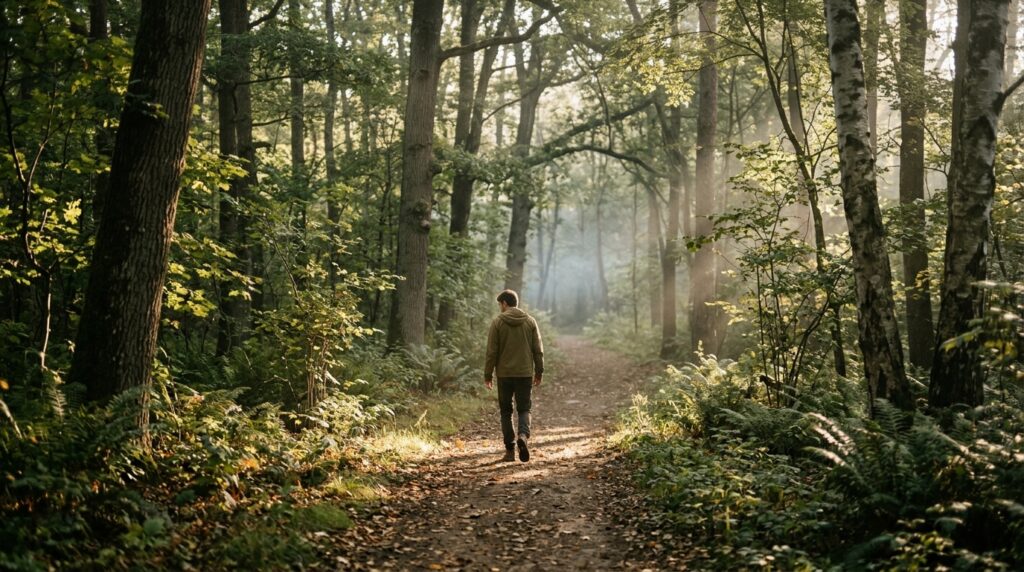
SEO Featured Snippet
Nature Connection and Mental Health are deeply interconnected, as regular exposure to natural environments reduces cortisol levels, eases psychological stress, and restores depleted cognitive focus. Engaging with green spaces activates the parasympathetic nervous system, helping alleviate anxiety, lift mood, and counteract burnout caused by modern digital overload and urban fatigue.
Introduction
We live in an era dominated by high-speed internet, continuous notifications, and dense concrete landscapes. Modern life delivers unprecedented technological convenience, yet it simultaneously exacts a heavy emotional toll. Millions of people spend their days shifting between desktop screens, smartphones, and artificial indoor lighting. This constant digital connectivity frequently leads to mental overload, chronic stress, sensory fatigue, and a deep feeling of emotional disconnection.
As daily pressures accumulate, many individuals find themselves searching for sustainable ways to restore balance and mental clarity. Amid high-tech wellness gadgets and complex stress-management apps, one of the most powerful, time-tested solutions remains entirely accessible and free: step outdoors. Reconnecting with natural environments provides a grounded, accessible framework for supporting overall psychological wellbeing.
How does nature affect mental health? Nature influences psychological health through physiological, cognitive, and emotional pathways. Immersing yourself in natural settings lowers stress hormones like cortisol, settles an overactive nervous system, and shifts your brain out of perpetual hyper-alertness. By stepping into green spaces, you allow your mind to step away from cognitive demands, creating space for emotional resilience, enhanced focus, and lasting psychological recovery.
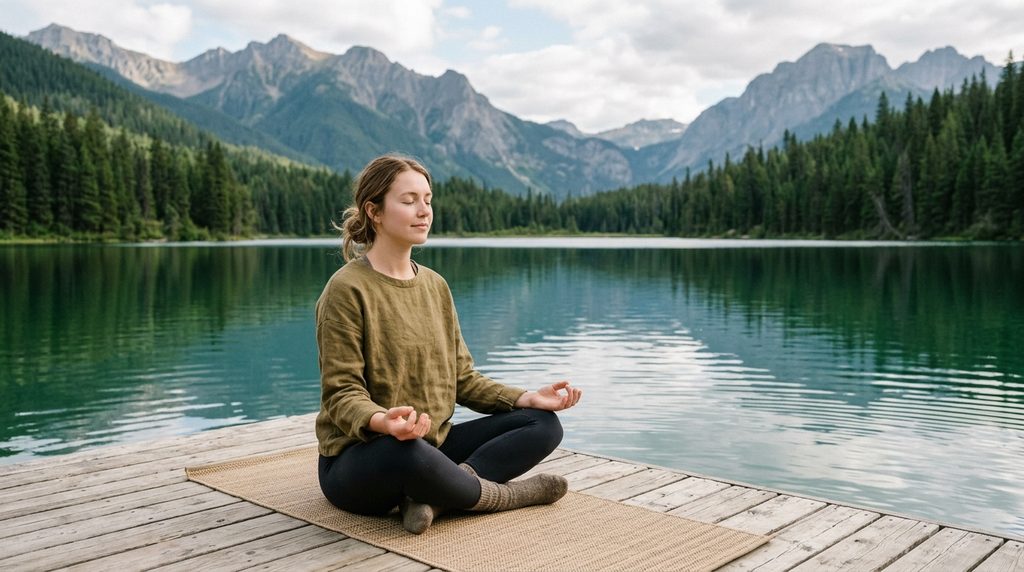
Why Do You Feel Better and Calmer in Nature?
Why does nature make me feel better?
The profound link between nature exposure and psychological wellbeing lies in how our bodies process natural settings versus artificial environments. Modern urban life requires constant directed attention—watching traffic, reading emails, evaluating security cues, and managing complex schedules. This ongoing mental effort gradually exhausts your brain’s attentional capacity.
Natural environments provide what environmental psychologists call psychological restoration. Outdoors, your sensory system receives gentle, non-taxing stimuli: swaying leaves, drifting clouds, rhythmic water currents, and soft sunlight. These elements captivate your mind effortlessly through soft fascination, enabling your overstimulated cognitive filters to rest, recover, and rebuild energy.
Why do I feel calmer in nature?
The peaceful sensation experienced outdoors is directly tied to nature connection and stress recovery. Urban environments are packed with unpredictable, harsh sounds—car horns, sirens, construction noise—that keep the sympathetic nervous system on high alert.
In contrast, natural settings offer quieter surroundings filled with organic acoustics, such as rustling foliage, bird songs, and running water. Combined with natural greenery and reduced artificial light, these elements signal safety to your brain. Grounded in principles of environmental psychology, this quiet atmosphere prompts your parasympathetic nervous system to take over, lowering your heart rate, relaxing muscle tension, and fostering deep relaxation.
Can nature help with mental exhaustion?
For professionals, students, and caregivers experiencing severe mental fatigue from prolonged screen time and daily duties, natural environments offer targeted relief. The relationship between mental fatigue and restorative settings relies heavily on Attention Restoration Theory (ART).
When mental resources are completely drained, forced concentration leads to irritability, brain fog, and errors. Stepping into green or blue environments allows your brain’s executive functioning center (the prefrontal cortex) to disengage. As a result, individuals recovering from burnout find that regular outdoor time helps rebuild attention recovery mechanisms faster than sedentary indoor rest.
How Does Nature Affect Mental Health?
How does nature improve emotional wellbeing?
Engaging in outdoor activity and emotional wellbeing go hand in hand. Being in nature offers a unique space where emotional processing happens naturally. Studies show that spending time outdoors helps regulate emotional responses, reducing feelings of anger, frustration, and helplessness while lifting overall mood.
Note on Mental Health Care: While nature exposure is a powerful self-care practice and complementary wellness tool, it is not a direct substitute for professional mental health diagnosis, therapy, or prescribed clinical treatments.
Can nature help reduce stress and anxiety?
Scientific literature overwhelmingly confirms that spending time outdoors significantly reduces anxiety. When investigating the physiological pathways behind this reaction, researchers repeatedly point to nature exposure and cortisol levels.
Elevated cortisol is a primary biological marker of chronic stress and chronic anxiety. Laboratory and field experiments demonstrate that even 20 to 30 minutes in a natural park leads to a measurable drop in salivary cortisol levels, slowing your pulse and bringing elevated blood pressure back toward normal baseline levels.
Can walking in nature improve mood?
Combining nature walks with light physical activity amplifies mental health benefits. Moving through fresh, changing natural landscapes stimulates the release of endorphins and dopamine—neurochemicals responsible for mood elevation and motivation.
A notable, highly effective practice in this domain is Japanese Shinrin-yoku, or forest bathing and stress reduction. Unlike rigorous exercise, forest bathing emphasizes slowly immersing your senses in the forest environment. By taking in the sights, smells (such as natural plant phytoncides), and textures of the woods, individuals frequently experience rapid reductions in stress and noticeable mood improvements. Naturally, individual outcomes vary based on personal preferences and environmental comfort.

What Does Science Say About Nature and Psychological Wellbeing?
How green space affects mental health
Epidemiological research reveals a strong correlation between proximity to green space and mental health outcomes. Populations residing near urban green spaces—such as municipal parks, public gardens, urban forests, and tree-lined walkways—report fewer psychological distress symptoms, lower rates of depression, and greater overall life satisfaction.
Urban green spaces serve as critical environmental buffers. They reduce local heat, absorb noise pollution, encourage community interaction, and provide accessible spaces for daily psychological recovery amidst dense suburban or city infrastructure.
Biophilia, environmental psychology, and human wellbeing
To understand why humans respond so positively to nature, researchers examine the biophilia hypothesis and mental health. Coined by biologist E.O. Wilson, biophilia asserts that human beings possess an innate, evolutionary tendency to seek connections with nature and other forms of life.
Environmental psychology supports this evolutionary view by distinguishing between proven empirical observations and theoretical framework models:
- Empirical Findings: Direct measurement of reduced heart rate, lower blood pressure, decreased cortisol, and improved spatial memory following nature exposure.
- Theoretical Models: Evolutionary explanations proposing that our ancestral brains adapted to natural landscapes, making natural sights and sounds inherently signals of safety, resources, and tranquility.
Nature-based mental health interventions
Recognizing these biological links, healthcare systems worldwide are incorporating formal nature based mental health interventions into standard patient care. These structured therapies include outdoor adventure programs, ecotherapy sessions, therapeutic community gardens, and green social prescribing.
Integrating guided nature therapy and emotional resilience helps participants develop adaptive coping tools. Practicing mindfulness in natural surroundings builds emotional durability, enabling people to navigate life’s challenges with greater stability and composure.
How Much Time Should You Spend in Nature?
How much time should I spend in nature?
A common question is whether there is an exact, mandatory amount of outdoor time required to unlock psychological benefits. While landmark research suggests that aiming for a total of 120 minutes per week in nature acts as a clear threshold for optimal health, there is no single rigid rule.
The true value comes from consistency over perfection. Four 15-minute walks in a local neighborhood park can yield similar restorative benefits as a single two-hour weekend hike. Accessibility, personal health, weather conditions, and daily work demands all dictate what is realistic. Micro-doses of nature—even five minutes sitting under a garden tree—provide real cognitive benefits.
What are the benefits of nature walks?
Incorporating short, regular nature walks into your daily routines delivers a wide range of interconnected health advantages:
- Physical Movement: Light cardiovascular exercise improves blood flow to the brain and releases physical muscle tension.
- Attention Restoration: Stepping away from screens allows your focus mechanisms to reset and recover strength.
- Stress Recovery: Organic soundscapes lower nervous system arousal and reduce stress hormone production.
- Social Connection: Joining group outdoor walks or visiting public parks fosters healthy community connections and alleviates loneliness.
Feature Snippet Checklist: Simple Nature Connection Routine
Follow this 7-step accessible daily routine to maximize your psychological restoration and lower stress levels in natural settings:
- ☑ Take a short outdoor walk (10–15 minutes near local greenery)
- ☑ Spend time around trees, plants, or neighborhood park spaces
- ☑ Put your phone away temporarily to remove digital distractions
- ☑ Notice natural sounds like birdsong, wind, or rustling leaves
- ☑ Observe your surroundings mindfully, focusing on textures and colors
- ☑ Practice slow, deep breathing to activate parasympathetic relaxation
- ☑ Repeat the routine consistently throughout your weekly schedule
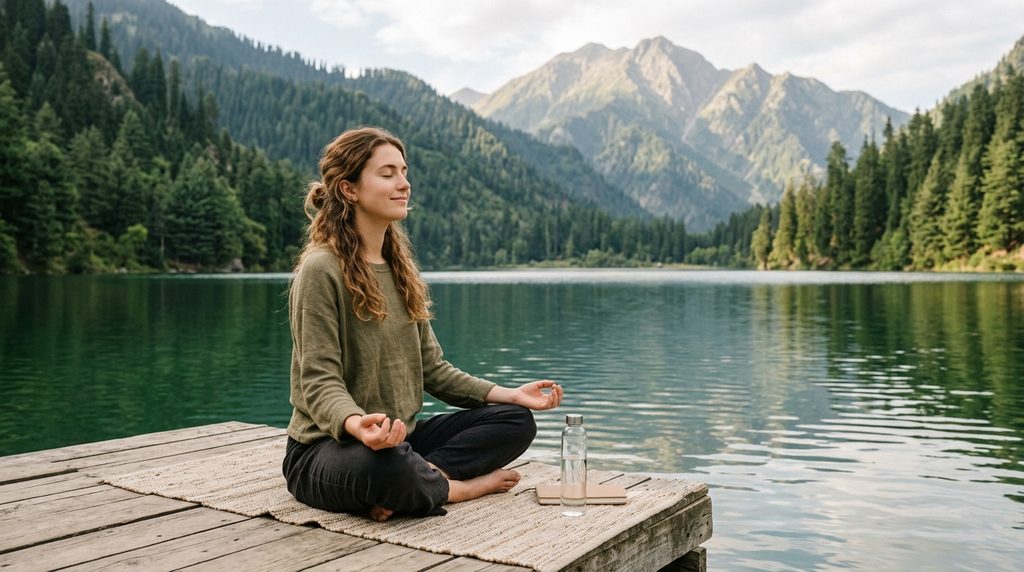
Can Nature Improve Focus and Concentration?
Can nature improve focus and concentration?
Modern workplaces and digital demands often leave people feeling scattered, unfocused, and mentally exhausted. Connecting this issue back to restorative environments and attention recovery reveals that nature exposure is an effective tool for restoring focus.
Stepping into a natural setting changes your environmental input entirely, relieving cognitive overload. By stepping away from multi-tasking and endless streams of data, your brain resets its information-processing capacity. Consequently, outdoor breaks serve as an excellent, non-pharmacological boost for healthy daily productivity.
Nature connection and stress recovery
Cognitive performance and stress levels are closely connected; high anxiety directly hinders working memory, decision-making, and problem-solving. Through nature connection and stress recovery, physiological tension fades, creating space for clear, structured thought.
When your body lowers its stress response, mental bandwidth opens up. This connection between emotional calm and sharper thinking highlights why taking strategic nature breaks actually boosts total output rather than wasting work time.
Nature versus constant digital stimulation
| Environment Type | Cognitive Demand | Nervous System Impact | Long-Term Psychological Result |
| Digital Stimulation (Screens, Alerts, Feeds) | High directed attention; frequent multitasking & rapid context switching. | Triggers sympathetic arousal, maintaining high alert and potential stress. | Cognitive fatigue, reduced attention span, irritability, and mental exhaustion. |
| Natural Environments (Parks, Forests, Trails) | Soft fascination; effortless sensory engagement without pressure. | Activates parasympathetic relaxation, reducing heart rate and cortisol. | Restored focus, emotional balance, creative clarity, and lowered anxiety. |
Stepping away from notifications does not require demonizing technology. Instead, it highlights the importance of creating intentional balance. Interspersing high-tech screen work with quiet natural breaks allows you to stay productive without sacrificing your mental health.
Why Do Some People Feel Disconnected From Nature?
Why do I feel disconnected from nature?
If you feel alienated from the natural world, you are far from alone. Modern urban design, demanding work schedules, screen-centered leisure, and limited local greenspaces make feeling disconnected a common experience.
Addressing this challenge ties directly to urban green spaces and psychological health. Long hours spent indoors, combined with dense city living and long commutes, leave little room for spontaneous outdoor time. Recognizing these structural factors normalizes the experience, shifting the narrative away from personal failure toward practical adjustments.
How can I reconnect with nature?
Reestablishing a bond with the outdoors does not require moving to the wilderness or booking expensive vacations. Small, intentional habits fit easily into normal routines:
- Local Parks & Gardens: Spend 10 minutes resting in a nearby public park during lunch.
- Balcony & Indoor Gardening: Grow potted herbs or houseplants to bring greenery indoors.
- Outdoor Meals: Eat breakfast or afternoon tea outside on a porch, patio, or park bench.
- Nature Observation: Pay attention to seasonal changes, local bird species, or changing leaf colors along your daily route.
- Shared Outdoor Activities: Walk with friends, join community garden projects, or plan outdoor family outings to combine social connection with nature exposure.
Building a sustainable nature connection
Building long-term wellbeing depends on forming reliable daily habits rather than relying on occasional weekend trips. Short, recurring visits to local outdoor spaces integrate nature connection naturally into your lifestyle.
Over time, these steady habits strengthen emotional resilience. Making outdoor breaks a regular practice builds a durable buffer against daily stress, burnout, and emotional fatigue.
Nature Connection vs Other Stress-Relief Approaches
Nature walks vs indoor relaxation
Indoor relaxation methods—such as watching television, reading on the couch, or taking a warm bath—offer comfort and convenience. However, outdoor nature walks provide distinct advantages by combining gentle physical movement, fresh air, visual depth, and sensory variety.
While indoor rest helps soothe physical tiredness, it often lacks the restorative sensory environment needed to clear cognitive fatigue. Balancing both approaches based on weather, schedule, and personal needs provides a well-rounded stress-management toolkit.
Forest bathing vs traditional mindfulness
Traditional mindfulness often involves sitting in quiet indoor spaces and focusing internally on your breath or body sensations. In contrast, forest bathing and stress reduction directs your awareness outward toward the sights, scents, and sounds of natural landscapes.
For individuals who find seated indoor meditation difficult or frustrating, nature-based mindfulness offers an accessible alternative. The dynamic, soothing elements of natural settings anchor your attention effortlessly, making mindful presence feel natural and unforced.
Nature-based approaches vs professional mental-health support
It is essential to maintain a clear boundary between everyday wellbeing habits and professional clinical treatment. Lifestyle practices like nature walks, therapeutic gardening, and outdoor exercise support emotional resilience and help manage daily stress.
However, conditions such as severe clinical depression, major anxiety disorders, or trauma require comprehensive evaluation and evidence-based treatment from qualified mental health professionals. Nature connection works best as a supportive, complementary wellness practice alongside formal medical care when needed.
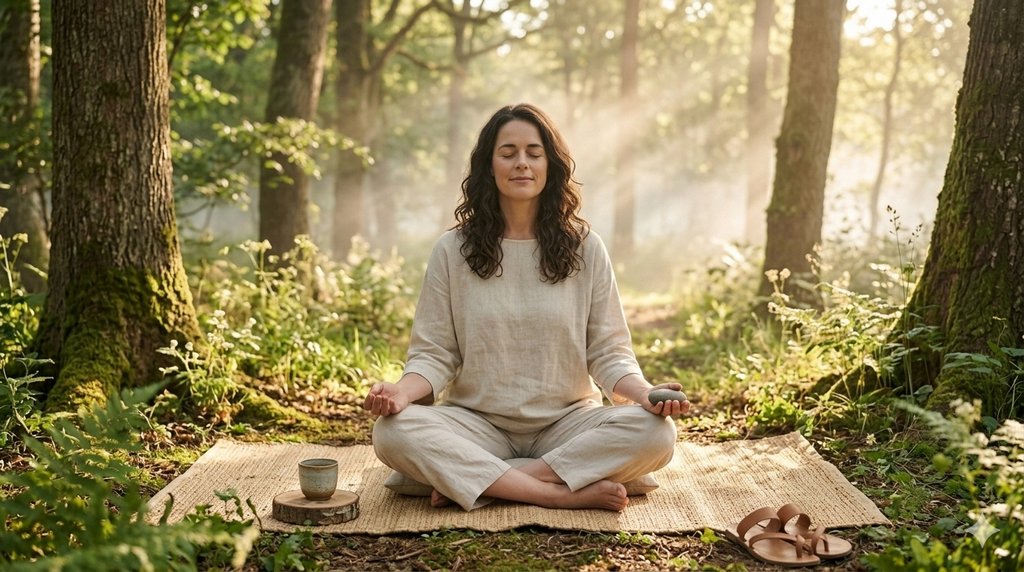
A Practical Plan to Strengthen Your Nature Connection
Start with a 10-minute nature habit
Begin your routine with a simple, achievable commitment: pick a convenient outdoor spot, such as a backyard, quiet sidewalk, or local park bench. Sit or walk slowly for just 10 minutes while stowing your smartphone in a pocket or bag. Focus your senses on your immediate environment—feel the breeze, observe plant textures, and take in the natural scents around you.
Turn outdoor time into a mental reset
Use outdoor walks as deliberate transitions after demanding work shifts or stressful tasks. Practice mindful observation by noting five natural details around you. Pair this visual focus with slow, steady breathing to release physical tension and reset your mental focus for the rest of the day.
Create a weekly nature connection routine
Build consistency by scheduling several brief outdoor breaks during the workweek alongside one longer weekend outing, such as visiting a regional park or local nature trail. Invite friends or family members when social interaction feels refreshing, and adapt your routine for seasonal weather variations so your habit remains enjoyable year-round.
Conclusion: Make Nature Part of Your Mental Wellbeing Routine
The connection between Nature Connection and Mental Health offers a practical, proven foundation for emotional balance and long-term wellbeing. Through reduced stress response, restored attention, improved mood, light physical activity, and opportunities for social connection, spending time outdoors provides vital support for modern life.
Experiencing these benefits does not require traveling to remote wilderness areas or spending money on elaborate trips. Nature is ready and waiting right outside your door—in neighborhood parks, tree-lined streets, community gardens, and quiet backyard corners.
Take one small action today: step outside, put away your screens for a few minutes, slow your pace, and mindfully connect with the natural world around you. Prioritize consistency over perfection, and let nature become a lasting pillar of your daily mental health care.
Frequently Asked Questions (FAQs)
Yes, indoor plants offer real psychological benefits. While outdoor environments provide greater sensory depth and fresh air, indoor greenery, potted plants, and living wall features help lower stress, improve indoor air quality, enhance workplace satisfaction, and foster gentle micro-restoration during long indoor hours.
Outdoor benefits remain significant across all seasons, including cold, rainy, or overcast conditions. Crisp air and natural daylight exposure—even on cloudy days—help regulate circadian rhythms and boost mood. Dressing appropriately for winter conditions allows you to continue enjoying nature’s mental health benefits year-round.
Yes. Audio recordings of natural environments—such as falling rain, ocean waves, or forest sounds—can activate parasympathetic nervous system relaxation. While outdoor exposure remains ideal, nature sounds serve as an effective indoor alternative for lowering anxiety, improving sleep, and sharpening focus while studying or working.
Urban residents can focus on micro-connections with nature. Look for pocket parks, quiet tree-lined sidewalks, community gardens, outdoor dining spaces, or local riverfront paths. Additionally, gazing at sky patterns, keeping balcony plants, or spending time near indoor fountains effectively delivers restorative benefits in dense urban settings.

“Hi, I am Umer Hasib. I am a passionate blogger and content creator who loves exploring human psychology, social behaviors, and personal growth. Welcome to my inner space!”
Emily Carter
“This was such a refreshing reminder that spending time in nature can make a real difference to our mood, stress levels, and overall wellbeing.”
Thank you, Emily! 🌿 You’re absolutely right—sometimes even a short walk surrounded by greenery can help us slow down, clear our minds, and feel more balanced. It’s a simple habit with a meaningful impact.
Michael Anderson
“I really enjoyed this article! I especially liked the idea of making nature connection a simple daily habit rather than waiting for a big outdoor adventure.”
Thank you, Michael! 🌿 I completely agree. Nature connection doesn’t have to mean a long hike or a big adventure—even a few mindful minutes outdoors each day can help us feel more refreshed, focused, and connected.