

Featured Snippet: Modern lifestyle challenges include information overload, work-life imbalance, social media pressure, loneliness, sedentary habits, poor sleep, financial stress, and consumerism. These issues often overlap, but practical boundaries, healthier routines, meaningful relationships, digital balance, movement, and mindful spending can help people build a healthier modern lifestyle.
Introduction
Modern life offers incredible convenience, connectivity, and opportunity. We can work from almost anywhere, communicate instantly, access unlimited information, and manage many everyday tasks through a smartphone.
Yet these advantages can come with a hidden cost.
Many people feel mentally overloaded, constantly connected, physically inactive, financially pressured, or unable to fully disconnect from work. The problem is rarely one isolated habit. Instead, several modern lifestyle challenges can reinforce each other.
A stressful workday may lead to late-night scrolling. Poor sleep can reduce motivation to exercise. Social media comparison can increase dissatisfaction, while financial pressure can encourage longer working hours.
Understanding these connections is the first step toward creating a healthier and more intentional way of living.
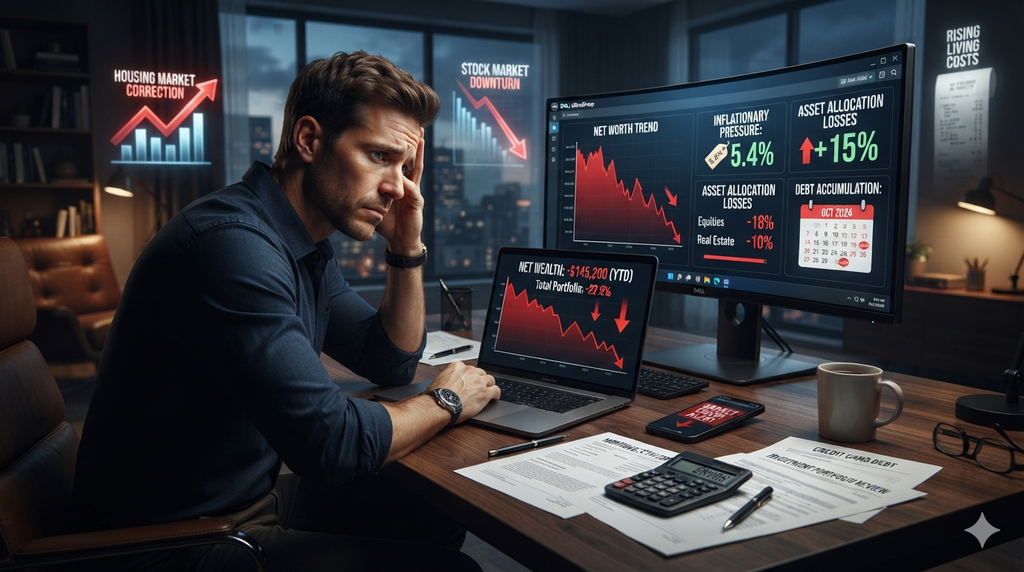
Why Does Modern Life Feel So Stressful?
Modern life is not automatically unhealthy or stressful. The difficulty often comes from the pace, volume, and constant stimulation that characterize everyday living.
Understanding the Pressure Behind Modern Living
One major reason why modern life feels stressful is the sheer amount of information people encounter every day.
Emails, messages, news alerts, social media updates, advertisements, work notifications, and personal responsibilities compete for attention.
This creates what can be described as information overload and stress.
The brain needs periods of concentration and recovery, but constant interruptions can make it difficult to remain focused or relaxed. Even when nothing urgent is happening, the expectation that something might require attention can create mental tension.
Practical boundaries can help. Turning off unnecessary notifications, checking email at specific times, and creating quiet periods during the day can reduce unnecessary cognitive pressure.
Why Is Modern Life So Exhausting?
If you have ever wondered why is modern life exhausting, the answer is often a combination of several factors.
Work responsibilities, family commitments, digital communication, financial concerns, social expectations, and limited downtime can create a lifestyle with very little recovery time.
Technology dependence and stress can make this worse. Smartphones and connected devices make it possible to remain available almost constantly.
The problem is not technology itself. The problem is when technology removes the natural boundaries between work, rest, and personal life.
The Hidden Cost of Constant Digital Stimulation
A healthy digital lifestyle and wellbeing require intentional use of technology.
Screens can provide entertainment, education, communication, and productivity. However, continuous digital engagement can make it harder to transition into relaxation.
Instead of allowing every spare moment to be filled with scrolling, people can intentionally create technology-free moments for walking, conversation, reading, hobbies, or simply doing nothing.
What Are the Biggest Modern Lifestyle Challenges?
So, what are modern lifestyle challenges in practical terms?
They include difficulties related to work, technology, relationships, health, finances, consumption, and personal time.
These challenges frequently overlap rather than existing independently.
Work-Life Balance in a Connected World
One of the biggest work life balance challenges is that modern communication allows work to follow people home.
Remote work and flexible schedules can provide freedom, but they can also blur the distinction between professional and personal time.
A person may finish their official workday but continue checking messages, answering emails, or thinking about unfinished tasks.
Creating clear start-and-stop routines can restore some separation. For example, shutting down work applications at a specific time or taking a short walk after work can create a psychological transition between work and personal life.
Social Media Pressure and Constant Comparison
Another important challenge is understanding how social media affects wellbeing.
Social platforms often show carefully selected versions of people’s lives. Comparing everyday reality with someone else’s highlight reel can create unrealistic expectations.
The social media pressure effects may include dissatisfaction, comparison, fear of missing out, and dependence on external validation.
A healthier approach is to become more intentional about what you consume. Unfollowing accounts that consistently create negative emotions and reducing passive scrolling can make digital spaces more manageable.
Loneliness Despite Constant Connection
Modern technology makes communication easier than ever, yet many people still wonder why people feel lonely today.
The answer partly involves the difference between communication and meaningful connection.
Sending messages or liking posts does not necessarily provide the emotional benefits of a genuine relationship.
Modern loneliness and isolation can become particularly problematic when digital interaction replaces face-to-face conversations, shared activities, or supportive communities.
Quality matters more than quantity. A meaningful conversation with one person can sometimes be more valuable than dozens of online interactions.
How Are Modern Habits Affecting Mental and Physical Health?
Lifestyle habits influence how people feel, function, recover, and interact with others.
How Lifestyle Affects Mental Health
Understanding how lifestyle affects mental health requires looking beyond individual habits.
Sleep, physical activity, stress levels, social connection, work demands, financial concerns, and leisure time can all influence overall wellbeing.
Personal wellbeing in modern life depends partly on whether daily routines provide enough opportunities for recovery.
Constant productivity is not the same as healthy productivity. Rest, recreation, and social connection are not wasted time; they can support sustainable performance.
Sedentary Habits and Their Health Risks
Modern work often involves sitting for long periods.
Office jobs, remote work, driving, streaming, gaming, and screen-based entertainment can reduce daily movement.
The sedentary lifestyle health risks associated with prolonged inactivity make regular movement an important part of modern wellbeing.
You do not necessarily need complicated workouts to become more active. Standing regularly, walking during breaks, using stairs, stretching, and taking short movement breaks throughout the day can help reduce long periods of inactivity.
Technology, Sleep, and Recovery
Another major issue involves how modern habits affect sleep.
Late-night screen use can become part of a routine in which people continue consuming information long after they should be preparing for rest.
Sleep disruption from technology can also occur when notifications, entertainment, or work communication keep the mind engaged.
Creating a consistent bedtime routine, reducing stimulating activities before bed, and keeping unnecessary notifications away from the bedroom can support better recovery.
How Do Money and Consumerism Shape Modern Lifestyle?
Financial wellbeing is another important part of understanding modern lifestyle challenges.
Financial Pressure and Everyday Wellbeing
Financial pressure and wellbeing are closely connected.
Rising expenses, uncertain income, debt, housing costs, and pressure to maintain a particular lifestyle can contribute to ongoing stress.
Financial health does not require perfection. A useful starting point is simply understanding where money goes.
Tracking essential expenses, reviewing subscriptions, setting realistic priorities, and building savings gradually can create greater financial awareness.
Consumerism and Lifestyle Choices
Consumerism and lifestyle choices are also connected to identity and social expectations.
Advertising often suggests that a better life requires newer products, bigger homes, expensive experiences, or constantly upgraded technology.
Purchasing something can provide temporary satisfaction, but the emotional effect may fade quickly.
Mindful consumption means asking whether a purchase genuinely supports your needs, values, or long-term goals.
Can Consumerism Affect Happiness?
The question of how consumerism affects happiness has no simple answer.
Buying useful products can certainly improve convenience and quality of life. However, continuously purchasing things as a way to solve emotional dissatisfaction can become an endless cycle.
Experiences, relationships, personal growth, hobbies, and meaningful activities may provide forms of satisfaction that cannot be created simply by acquiring more possessions.

How Can You Reduce Modern Life Stress?
The goal is not to escape modern life completely. Instead, the goal is to create healthier ways of interacting with it.
Build Practical Lifestyle Stress Management Habits
Effective lifestyle stress management often begins with simple habits.
Consider:
- Taking regular breaks during work.
- Getting outside during the day.
- Protecting consistent sleep hours.
- Adding movement to sedentary routines.
- Scheduling time for enjoyable activities.
- Creating boundaries around work communication.
- Reducing unnecessary digital notifications.
- Making time for meaningful relationships.
Small habits are easier to maintain than dramatic lifestyle changes.
Create Better Digital Boundaries
Learning how to reduce modern life stress often involves changing your relationship with technology.
Try establishing specific periods when you do not check work messages or social media.
You can also:
- Disable nonessential notifications.
- Keep your phone away during meals.
- Create screen-free periods.
- Avoid checking work immediately after waking.
- Establish a digital wind-down routine before sleep.
The objective is not to reject technology but to regain control over when and how you use it.
Rebuild Your Work-Life Balance
Learning how to balance modern life requires recognizing that every part of life competes for limited time and attention.
Instead of trying to maximize everything simultaneously, identify your priorities.
A simple weekly review can help you ask:
- What deserves more of my time?
- So What consistently drains my energy?
- Then What can I reduce or eliminate?
- Where do I need stronger boundaries?
- Kinds What activities genuinely help me recover?
How Can You Create a Healthier Modern Lifestyle?
Once you understand the problems, the next step is creating a practical guide for change.
Choose Sustainable Modern Living
Sustainable modern living is about making choices that support both personal wellbeing and responsible consumption.
This may include buying fewer unnecessary products, choosing reusable items, reducing waste, repairing things instead of immediately replacing them, and considering the long-term impact of purchases.
Sustainability does not have to mean perfection. Consistent small choices can become meaningful habits.
Prioritize Personal Wellbeing
Personal wellbeing in modern life should be treated as a regular priority rather than something addressed only after burnout occurs.
Consider reviewing these areas regularly:
- Sleep
- Physical movement
- Relationships
- Digital habits
- Financial health
- Workload
- Stress
- Recreation
- Time outdoors
- Personal goals
If one area is consistently neglected, it may eventually affect other parts of life.
Start With Small Lifestyle Changes
If you’re wondering how to live better today, start with one realistic change.
You do not need to completely redesign your lifestyle overnight.
For example, you could:
Today: Turn off unnecessary notifications.
This week: Add a daily walking break.
This month: Establish a consistent bedtime routine.
Long term: Build stronger work, financial, and digital boundaries.
Sustainable improvement comes from consistency rather than perfection.

Modern Lifestyle Challenges at a Glance
Common Problems and Practical Responses
| Modern Challenge | Possible Effect | Practical Response |
|---|---|---|
| Information overload | Mental fatigue | Schedule digital breaks |
| Work-life imbalance | Chronic stress | Set work boundaries |
| Social media pressure | Comparison and anxiety | Limit passive scrolling |
| Sedentary routines | Reduced physical activity | Add movement breaks |
| Technology at night | Poor sleep habits | Create screen-free bedtime |
| Financial pressure | Emotional stress | Review spending priorities |
| Consumerism | Dissatisfaction | Practice mindful consumption |
| Social isolation | Loneliness | Build meaningful connections |
This table provides a simple framework for recognizing which areas of modern life may need attention.
Modern Lifestyle Self-Assessment Checklist
Use this quick checklist to evaluate your current habits:
- I regularly take breaks from screens.
- yes I have clear work and personal boundaries.
- I make time for meaningful relationships.
- So I include movement in my daily routine.
- Sure I protect my sleep routine.
- I understand where my money is going.
- Yes I regularly disconnect from unnecessary digital noise.
- Realy, I make time for hobbies or enjoyable activities.
- I periodically review whether my lifestyle reflects my priorities.
The more boxes you can confidently check, the stronger your foundation for sustainable wellbeing may be.
Conclusion: How to Overcome Modern Lifestyle Challenges
Focus on What You Can Control
You cannot completely eliminate technology, work responsibilities, financial pressures, or social expectations.
But you can control many aspects of how you respond to them.
Boundaries, daily habits, movement, sleep, relationships, spending decisions, and digital routines are practical areas where individual choices can make a difference.
Build a Lifestyle That Supports Your Wellbeing
The best response to modern lifestyle challenges is not necessarily a return to an idealized past.
Modern life provides enormous benefits. The goal is to use those benefits without allowing convenience and connectivity to control every part of your day.
A healthier lifestyle is one that supports your physical health, emotional wellbeing, relationships, financial priorities, and personal values.
Take One Positive Step Today
Do not wait for the perfect time to change everything.
Choose one area today:
- Improve your digital habits.
- Protect your sleep.
- Take a movement break.
- Review your spending.
- Set a work boundary.
- Contact someone you care about.
- Spend some quiet time without a screen.
One small improvement can become the starting point for a much healthier routine.
The real solution to modern lifestyle challenges is not perfection. It is intentional living—making small, sustainable choices that help modern life work for you rather than constantly working against you.
Frequently Asked Questions
There is no single biggest challenge for everyone, but constant digital stimulation, work-life imbalance, financial pressure, social comparison, and insufficient recovery are among the most common problems.
Busy schedules, excessive screen time, work demands, and social media can reduce meaningful face-to-face interaction. Creating dedicated time for conversations and shared activities can help strengthen relationships.
Yes. Technology can support education, communication, productivity, fitness, and entertainment. The key is intentional use, healthy boundaries, and avoiding unnecessary digital engagement.
There is no universal timeline. Some habits can become easier within weeks, while others require longer-term consistency. Starting with small, repeatable actions is generally more sustainable than making drastic changes all at once.

“Hi, I am Umer Hasib. I am a passionate blogger and content creator who loves exploring human psychology, social behaviors, and personal growth. Welcome to my inner space!”
Emily Carter
“This was a really practical look at modern lifestyle challenges. I especially liked the section on digital boundaries because constant notifications can easily make it feel like we’re never truly off.”
Thank you, Emily! I’m glad you found the digital boundaries section helpful. You’re absolutely right—constant notifications can make it difficult to truly switch off. Creating small screen-free moments can make a surprisingly big difference to our overall wellbeing.
James Anderson
“I found the connection between work-life balance, sleep, social media, and financial pressure very relatable. The self-assessment checklist is a great way to identify small changes that can improve everyday wellbeing.”
Thank you, James! I’m glad the article resonated with you. The checklist was designed to make these challenges easier to recognize and turn into small, realistic changes that can support better balance and everyday wellbeing.