
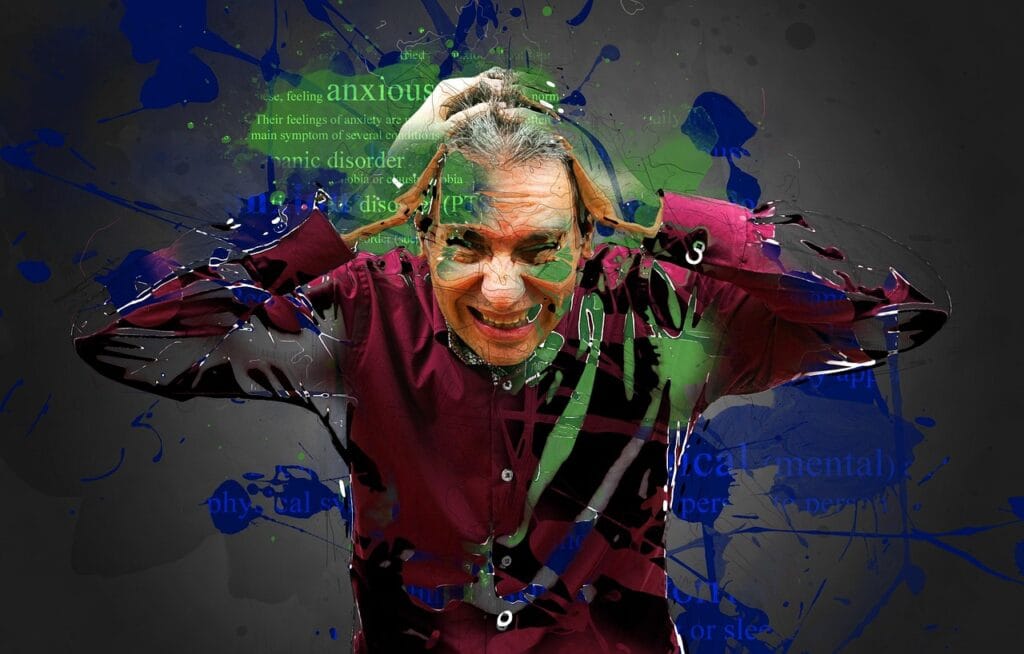
Featured Snippet:
To strengthen emotional intelligence, practice recognizing your emotions, identifying triggers, regulating reactions, understanding other people’s perspectives, and communicating thoughtfully. Use daily emotional self-awareness techniques, active listening, reflection, and emotional regulation strategies to turn these skills into habits. With consistent practice and feedback, emotional intelligence can become stronger and more useful in everyday life.
Introduction
Emotional intelligence affects how you understand your feelings, respond to pressure, communicate with others, and handle difficult situations. It is not simply about staying calm or being “good with people.” It involves several connected abilities, including recognizing emotions, managing responses, understanding others, and using that awareness during interactions.
The encouraging part is that emotional intelligence is not necessarily fixed. Research on emotional-competency training has found that structured interventions can improve emotional competencies, including emotional intelligence, empathy, and emotion regulation, although the research also notes substantial variation between studies.
So, how do you strengthen emotional intelligence in real life?
The answer starts with understanding what emotional intelligence actually involves and then practicing specific behaviors consistently.

How to Strengthen Emotional Intelligence When You Feel Overwhelmed
When emotions become intense, your first goal should not be to eliminate the emotion. Instead, learn to recognize it, slow down your response, and decide what action fits the situation.
Why Emotional Reactions Can Feel Difficult to Control
Anger, frustration, anxiety, disappointment, and stress can create strong impulses to react immediately. When this happens, people may speak harshly, withdraw, blame someone else, send an impulsive message, or make decisions they later regret.
Managing emotional reactions begins with creating a small gap between the emotional trigger and your response.
Useful emotional regulation strategies include:
- Pause before responding.
- Take several slow breaths.
- Identify the emotion you are experiencing.
- Notice what triggered it.
- Ask whether your interpretation is accurate.
- Consider the possible consequences of your response.
- Choose a response rather than simply following the first impulse.
Emotional regulation does not mean pretending you are not angry or upset. It means acknowledging the emotion while deciding how to express it constructively.
How to Become More Emotionally Aware
Learning how to become more emotionally aware is one of the foundations of emotional intelligence.
Instead of saying:
“I feel bad.”
Try to become more specific:
- “I feel disappointed.”
- “I feel embarrassed.”
- “I feel rejected.”
- “I feel overwhelmed.”
- “I feel frustrated.”
- “I feel nervous about the outcome.”
This process is sometimes called emotional labeling. Giving an emotion a clearer name can help you understand what is happening internally before deciding what to do.
Useful emotional self awareness techniques include keeping an emotion journal, checking your mood at different times of the day, and identifying recurring emotional triggers.
Can Emotional Intelligence Be Learned?
Yes, many aspects of emotional intelligence can be developed through deliberate practice.
Research distinguishes between different models of emotional intelligence, including ability, trait, and mixed approaches. In practical everyday terms, emotional competencies can involve recognizing emotions, regulating responses, empathy, and interpersonal effectiveness.
This means emotional intelligence skills can be practiced through:
- Self-reflection
- Emotional labeling
- Active listening
- Perspective-taking
- Feedback
- Conflict practice
- Stress-management techniques
- Reviewing difficult interactions
The goal is not to become emotionally perfect. The goal is to become more aware and more intentional.
How to Improve Emotional Self-Awareness
Self-awareness is the starting point for many emotional intelligence skills. If you cannot recognize what you are feeling, it becomes harder to understand why you are reacting in a particular way.
How to Understand Your Emotions
To learn how to understand your emotions, pay attention to four areas:
1. Emotion:
What am I feeling?
2. Trigger:
What happened immediately before I felt this way?
3. Physical signal:
What is happening in my body?
4. Impulse:
What do I immediately want to do?
For example:
“I received criticism, my shoulders became tense, I felt embarrassed, and I wanted to defend myself immediately.”
That simple observation can reveal a pattern.

Emotional Self-Awareness Techniques to Practice Daily
Try these emotional self awareness techniques every day:
1. The Three-Check-In Method
Check yourself in the morning, afternoon, and evening.
Ask:
- What am I feeling?
- Why might I be feeling it?
- What do I need right now?
2. Keep an Emotion Journal
Write down one emotionally significant event each day.
Record:
Situation → Emotion → Trigger → Reaction → Better response
3. Identify Repeated Triggers
Look for patterns involving:
- criticism
- rejection
- uncertainty
- delays
- conflict
- social pressure
- workload
- disappointment
4. Expand Your Emotional Vocabulary
Instead of using only “happy,” “sad,” “angry,” or “stressed,” learn more precise words.
The more accurately you describe an emotion, the easier it can become to reflect on it.
How Self-Awareness Supports Better Decisions
Emotions can influence attention, interpretation, and behavior. Awareness gives you an opportunity to notice that influence before acting.
For example, if you realize that you are angry during a disagreement, you might decide to delay your response rather than sending an aggressive message.
This is where emotional self management skills become important.
Self-awareness asks:
“What am I feeling?”
Self-management asks:
“What should I do with this feeling?”
That distinction can make emotional intelligence much more practical.
How to Control Emotional Reactions
Controlling emotional reactions does not mean suppressing feelings. Healthy emotional management involves recognizing emotions and choosing an appropriate way to respond.
How to Manage Difficult Emotions
When dealing with a difficult emotion, try this five-step process:
Pause → Identify → Breathe → Reframe → Respond
Pause: Do not immediately act on the emotional impulse.
Identify: Name the emotion as accurately as possible.
Breathe: Slow your breathing and give yourself time.
Reframe: Ask whether there is another reasonable interpretation.
Respond: Choose an action that supports your long-term goal.
Emotion regulation research emphasizes that regulation involves processes through which people influence their emotional responses rather than simply eliminating emotions.
How to Stop Emotional Overreactions
If you want to learn how to stop emotional overreactions, pay attention to the moments immediately before your reaction.
Ask:
- What triggered me?
- What assumption did I make?
- Was I already tired or stressed?
- Did I interpret the situation personally?
- What response would I prefer to give?
For example, if someone criticizes your work, your first impulse may be to defend yourself.
Instead, try:
“Can you explain which part you think needs improvement?”
That response creates space for information rather than escalating the conflict.

Emotional Self-Management Skills That Build Control
Important emotional self management skills include:
- impulse control
- patience
- flexible thinking
- stress awareness
- constructive self-talk
- delayed response
- problem-solving
- emotional expression
- realistic thinking
Remember the difference:
Suppression: “I am not allowed to feel angry.”
Management: “I am angry, but I can choose how I express it.”
The second approach recognizes the emotion without allowing it to automatically control behavior.
How to Develop Better Empathy and Social Awareness
Emotional intelligence is not only about understanding yourself. It also involves understanding emotional information in social situations.
How to Develop Better Empathy
Learning how to develop better empathy means practicing perspective-taking.
Before judging someone’s reaction, ask:
“What might this person be experiencing that I cannot see?”
This does not mean agreeing with everything another person says. Empathy means trying to understand their emotional experience.
Self awareness and empathy are closely connected because understanding your own emotional patterns can make it easier to recognize that other people may also respond from their own experiences, needs, fears, and expectations.
Empathy and Active Listening in Everyday Conversations
Empathy and active listening can be practiced in ordinary conversations.
Try to:
- Let the other person finish speaking.
- Avoid immediately preparing your counterargument.
- Ask clarifying questions.
- Notice tone and emotional cues.
- Reflect back what you understood.
- Validate the person’s experience without automatically agreeing.
For example:
“It sounds like the situation made you feel ignored.”
This does not necessarily mean you agree with the person’s interpretation. It simply shows that you are trying to understand.
Social Awareness and Relationships
Social awareness and relationships involve noticing emotional cues such as:
- tone of voice
- facial expression
- body language
- silence
- changes in communication style
- personal boundaries
- conversational context
However, emotional cues should not be treated as perfect evidence. A quiet person may be tired, distracted, uncomfortable, or simply reflective.
Good social awareness therefore combines observation with curiosity.
Instead of assuming:
“You’re angry.”
Try:
“You seem quieter than usual. Is everything okay?”
How to Communicate With Greater Emotional Intelligence
Communication is where emotional intelligence becomes visible to other people.
How to Communicate With Empathy
How to communicate with empathy starts with respectful language.
Instead of:
“You never listen.”
Try:
“I felt frustrated because I didn’t feel heard during that conversation.”
The second statement focuses on your experience rather than attacking the other person’s character.
Useful interpersonal communication skills include:
- listening before responding
- asking clarifying questions
- expressing feelings directly
- avoiding unnecessary blame
- acknowledging another person’s perspective
- setting respectful boundaries
- disagreeing without insulting

How Emotional Intelligence Improves Relationships
How emotional intelligence improves relationships can be understood through four connected behaviors:
Self-awareness helps you recognize your emotions.
Self-management helps you control impulsive reactions.
Empathy helps you understand other people.
Communication helps you express yourself clearly.
When these abilities work together, difficult conversations can become easier to navigate.
Emotional-intelligence frameworks commonly include self-awareness, self-regulation, empathy, and social/interpersonal skills as important components, although models differ in exactly how they define and measure EI.
Interpersonal Communication Skills to Practice
Practice these skills during everyday conversations:
- Ask before assuming.
- Listen without interrupting.
- Repeat important information in your own words.
- Use “I” statements when discussing feelings.
- Ask, “What do you mean by that?”
- Take a short pause when conversations become heated.
- Admit mistakes without excessive defensiveness.
- Focus on solving the problem rather than winning the argument.
How to Become More Emotionally Resilient
Emotional resilience does not mean never becoming upset. It means developing the ability to recover, learn, and continue after difficult experiences.
How to Become Emotionally Resilient
To understand how to become emotionally resilient, focus on recovery rather than emotional perfection.
After a difficult situation, ask:
- What happened?
- What did I feel?
- What did I learn?
- What was within my control?
- What can I do differently next time?
This turns emotional experiences into opportunities for learning.
Emotional Intelligence and Stress
Stress can make emotional reactions more difficult to manage.
When you notice stress signals such as irritability, muscle tension, racing thoughts, exhaustion, or difficulty concentrating, treat them as information rather than personal failure.
Emotional intelligence and stress management can involve recognizing early signals and responding before stress escalates.
Practical steps include:
- taking short breaks
- maintaining healthy sleep habits
- moving your body regularly
- reducing unnecessary multitasking
- talking with supportive people
- using realistic self-talk
- planning difficult tasks instead of constantly avoiding them
Recent research on emotional intelligence in challenging professional environments also highlights the connection between self-awareness, emotional regulation, empathy, and interpersonal effectiveness when responding to stress.

Daily Practices for Emotional Resilience Development
For emotional resilience development, create a simple daily reflection habit.
At night, write:
One challenge: What was difficult today?
One emotion: What did I feel?
One response: How did I react?
One lesson: What did I learn?
One adjustment: What will I try tomorrow?
This takes only a few minutes but can turn daily experiences into useful feedback.
Emotional Intelligence at Work and in Personal Growth
Emotional intelligence matters beyond personal relationships. It can also influence how people communicate, handle feedback, manage disagreements, and collaborate.
How Emotional Intelligence Helps at Work
Emotional intelligence at work can support behaviors such as:
- listening to colleagues
- handling constructive feedback
- managing workplace disagreements
- recognizing tension within a team
- communicating expectations
- responding professionally under pressure
- adapting to changing circumstances
Workplace research has found that emotional-competency training can improve measured emotional competencies, with effects remaining detectable in follow-up periods in the reviewed studies. The researchers also noted significant heterogeneity and methodological limitations, so results should not be interpreted as a guarantee for every training program or individual.
Emotional Intelligence and Personal Growth
Emotional intelligence personal growth is about becoming more intentional in how you respond to yourself and other people.
As your awareness develops, you may become better at identifying:
- emotional triggers
- communication patterns
- recurring conflicts
- personal boundaries
- unhelpful assumptions
- stress responses
- areas where you need feedback
Personal growth does not require judging yourself harshly. Reflection works better when it focuses on learning rather than shame.
Why Emotional Intelligence Matters in Daily Life
Understanding why emotional intelligence matters becomes easier when you look at ordinary situations.
You use emotional intelligence when you:
- receive criticism
- disagree with someone
- experience disappointment
- manage stress
- apologize
- set a boundary
- listen to a friend
- make an important decision
- respond to an angry message
- work with people who think differently
Emotional intelligence is therefore less about having perfect emotions and more about developing better responses.
Emotional Intelligence Skills: Daily Practice Checklist
A practical checklist can turn emotional intelligence from an abstract concept into something you actually practice.
10-Minute Emotional Intelligence Routine
Use this quick routine once a day:
- Identify your current emotion.
- Name the trigger.
- Notice your physical response.
- Pause before reacting.
- Ask what the situation requires.
- Consider another person’s perspective.
- Listen before responding.
- Choose constructive language.
- Reflect on your response.
- Record one improvement for tomorrow.
You can complete this routine in a journal, notes app, or simple worksheet.
Emotional Intelligence Skills Progress Checklist
| Skill | Daily Practice | Progress Indicator |
|---|---|---|
| Self-awareness | Identify emotions | Can name emotions clearly |
| Self-management | Pause before reacting | Fewer impulsive responses |
| Empathy | Consider another perspective | Better understanding of others |
| Social awareness | Observe emotional cues | Improved social responses |
| Communication | Listen actively | Fewer misunderstandings |
| Resilience | Reflect after setbacks | Faster emotional recovery |
Use the table weekly rather than expecting dramatic changes overnight.

How to Strengthen Emotional Intelligence Every Day
The most useful emotional intelligence practice is the one you can repeat consistently.
A Simple Daily Emotional Intelligence Practice
Start your morning with one question:
“How do I want to respond to difficult emotions today?”
During the day, use your emotional self awareness techniques to identify what you are feeling.
When an emotional trigger appears, use your emotional regulation strategies:
Notice → Pause → Understand → Choose → Respond
In conversations, add empathy and active listening.
At night, spend two minutes reviewing one interaction.
Ask:
“What did I do well, and what could I improve tomorrow?”
How to Turn Emotional Intelligence Into a Habit
Do not try to change everything at once.
Choose one emotional intelligence skill for a week.
For example:
Week 1: Emotional awareness
Week 2: Pausing before reacting
Week 3: Active listening
Week 4: Perspective-taking
This approach makes improvement more manageable.
Consistency is generally more useful than demanding perfection from yourself.
What to Do When You Struggle With Emotional Control
If you continue struggling with emotional control:
- Revisit your common triggers.
- Slow down before responding.
- Identify the underlying emotion.
- Check whether stress or exhaustion is affecting your reaction.
- Practice empathy toward yourself and others.
- Discuss recurring communication patterns with someone you trust.
- Consider appropriate professional support if emotional difficulties significantly interfere with daily life.
Seeking help is not a failure of emotional intelligence. Recognizing when additional support would be useful can itself be an important form of self-awareness.
Conclusion: Start Strengthening Your Emotional Intelligence Today
Learning how to strengthen emotional intelligence is less about changing your personality and more about improving specific emotional and interpersonal skills.
Start with five core areas:
- Self-awareness: Recognize what you feel.
- Self-management: Choose your response instead of reacting automatically.
- Empathy: Consider other people’s perspectives.
- Social awareness: Notice emotional and interpersonal cues.
- Communication: Listen carefully and express yourself respectfully.
You do not need to master all five at once.
Choose one emotional intelligence skill today. Practice one exercise, observe what happens, reflect on the result, and try again tomorrow.
That simple cycle—notice, practice, reflect, improve—can turn emotional intelligence from something you simply understand into something you actively use every day.
Frequently Asked Questions
There is no universal timeline. Emotional intelligence involves multiple skills, and improvement depends on the person’s starting point, practice, feedback, and circumstances. Small changes can begin with daily awareness exercises, while deeper behavioral changes generally require consistent practice over time.
Yes. Emotional intelligence is not the same as being highly outgoing or talkative. An introverted person can develop strong self-awareness, empathy, emotional regulation, listening, and communication skills.
Emotional intelligence generally refers to abilities or competencies related to recognizing, understanding, managing, and responding to emotions. Emotional maturity is a broader everyday concept involving responsible behavior, self-control, perspective, accountability, and appropriate responses to difficult situations.
It can provide useful skills for difficult conversations, particularly emotional awareness, active listening, empathy, clear expression, and self-management. These skills can help people slow down impulsive reactions and communicate disagreements more constructively.

“Hi, I am Umer Hasib. I am a passionate blogger and content creator who loves exploring human psychology, social behaviors, and personal growth. Welcome to my inner space!”
Fatima A:
“Really helpful guide! I especially liked the practical 10-minute emotional intelligence routine. The simple steps for identifying emotions, pausing before reacting, and reflecting afterward make emotional growth feel much more achievable.”
Thank you, Fatima! I’m glad you found the 10-minute routine helpful. Small, consistent practices like pausing before reacting and reflecting on our emotions can make a meaningful difference over time. Keep practicing and growing!
James Anderson:
“Excellent article! The section on empathy and active listening stood out to me. Learning to understand another person’s perspective before responding is a simple habit that can make everyday conversations much better.”
Thank you, James! I’m glad the section on empathy and active listening resonated with you. Taking a moment to understand another person’s perspective can make communication more respectful, meaningful, and effective.