

The discipline vs enjoyment struggle is one of the biggest reasons people quit their goals. Discipline builds progress, while enjoyment keeps motivation alive. The real secret is learning to balance both without guilt. This guide explains the psychology behind discipline vs enjoyment and shows practical strategies for fitness, entrepreneurship, and daily habits.
The discipline vs enjoyment tug-of-war is a daily struggle almost everyone faces. On one side, discipline pushes you to wake up early, work hard, exercise, save money, and stay consistent. On the other side, enjoyment pulls you toward comfort, entertainment, rest, and instant happiness.
This conflict becomes stronger when you are chasing long-term goals like fitness transformation, career success, building a business, or improving your lifestyle.
The truth is simple:
Discipline builds your future, but enjoyment keeps you alive in the present.
Most people think they must choose one side. Either they become overly disciplined and lose happiness, or they chase enjoyment and lose progress. But real success comes when you learn to balance both.
Why Humans Naturally Resist Strict Routines
Humans are not robots. Your brain naturally wants comfort because comfort feels safe. That is why discipline feels hard. Discipline requires delayed gratification, meaning you sacrifice short-term pleasure for long-term rewards.
That’s exactly why the discipline vs enjoyment battle exists—it is a fight between your current self and your future self.
The Hidden Cost of Extremes
When you go extreme discipline mode, life becomes dry and stressful. When you go extreme enjoyment mode, life becomes lazy and unproductive.
Both extremes are dangerous. To win the discipline vs enjoyment tug-of-war, you must avoid both traps.
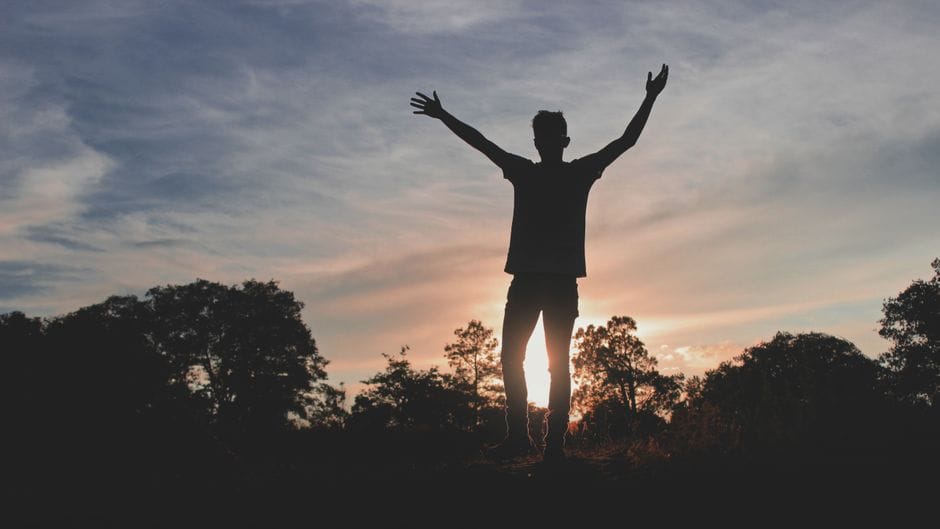
Why Discipline vs Enjoyment Is the Ultimate Battle for Long-Term Goals
If you’ve ever started a goal with excitement but quit after a few weeks, you’ve experienced the discipline vs enjoyment war.
Long-term goals are difficult because they require:
- time
- patience
- consistency
- sacrifice
But humans love quick rewards. That is why most people fail. Not because they are weak, but because they don’t understand how to manage discipline vs enjoyment.
How Goals Fail When Enjoyment Disappears
When life becomes all about grinding, people burn out. They lose motivation because they feel trapped. They start saying things like:
- “I’m tired of this routine.”
- “My life has no fun.”
- “What’s the point?”
When enjoyment disappears, discipline becomes punishment. And punishment never lasts.
Why Discipline Alone Is Not Sustainable
Discipline without enjoyment becomes emotional exhaustion. Even if you achieve success, you may feel empty.
Many people reach their goals but still feel unhappy because they sacrificed their peace, relationships, and mental health. That is the dark side of discipline.
This proves an important truth:
Discipline vs enjoyment is not a choice—it is a balance.
The Psychology Behind the Discipline vs Enjoyment Conflict in Daily Habits
The discipline vs enjoyment conflict is not just emotional—it is psychological.
Your brain is wired to chase pleasure. That’s why scrolling social media feels easier than reading a book. That’s why eating fast food feels more exciting than eating healthy meals.
Dopamine, Reward Systems, and Instant Pleasure
Dopamine is a chemical that makes you feel rewarded. It is released when you experience pleasure—food, entertainment, praise, and comfort.
Enjoyment gives instant dopamine. Discipline gives delayed dopamine.
That is why discipline feels hard at first. The reward is not immediate.
Why the Brain Hates Delayed Gratification
Your brain always asks:
“What do I get right now?”
Discipline answers:
“You’ll get results later.”
Enjoyment answers:
“You’ll feel good now.”
This is why the discipline vs enjoyment war feels like a constant internal battle. Understanding this psychology helps you stop blaming yourself and start creating smarter strategies.
Finding the Perfect Balance in the Discipline vs Enjoyment Tug-of-War
The key to winning discipline vs enjoyment is not being strict. It’s being strategic.
A balanced person is not someone who works all the time. It’s someone who works consistently and rests intentionally.
The 80/20 Lifestyle Rule
One of the best ways to balance discipline vs enjoyment is the 80/20 rule:
- 80% of your life should follow discipline
- 20% should include enjoyment, flexibility, and fun
This rule keeps you productive without feeling trapped.
For example:
- eat healthy 80% of the time
- enjoy your favorite food 20% of the time
- work hard during weekdays
- relax and recharge on weekends
This creates a lifestyle that is sustainable.
Building Routines That Don’t Feel Like Punishment
Many people fail because their routine is too strict. If you hate your routine, you will eventually escape it.
To balance discipline vs enjoyment, build routines that feel realistic:
- choose workouts you enjoy
- study with breaks
- work with time blocks
- reward yourself after progress
Success is easier when your habits feel natural, not forced.
Discipline vs Enjoyment: Making Peace Between Hard Work and Mental Breaks
Many people feel guilty when they take breaks. They believe rest means weakness. But that mindset is dangerous.
Rest is not the enemy of discipline. Rest is part of discipline.
How Breaks Improve Productivity
Breaks help your brain recharge. Without breaks:
- you lose creativity
- your focus drops
- your stress increases
- burnout becomes guaranteed
That’s why high performers take breaks on purpose. They understand that breaks are fuel, not failure.
Guilt-Free Rest vs Lazy Escape
There is a difference between rest and escape.
Healthy rest:
- is planned
- refreshes your mind
- improves your energy
Lazy escape:
- happens when you avoid responsibilities
- creates regret
- increases anxiety
To win discipline vs enjoyment, take guilt-free rest, not lazy escape.

How to Win the Discipline vs Enjoyment Struggle in Your Fitness Journey
Fitness is one of the biggest areas where discipline vs enjoyment shows up.
People start gym routines but quit because they feel restricted. They diet strictly but then binge because they feel deprived.
The solution is not more strictness. The solution is balance.
Workout Consistency Without Burnout
To balance discipline vs enjoyment in fitness:
- choose workouts you like (walking, gym, swimming, sports)
- keep workouts realistic (30–45 minutes is enough)
- allow rest days
- track progress weekly instead of daily
Fitness should feel like self-care, not punishment.
Smart Diet Flexibility That Still Gives Results
You don’t need a perfect diet. You need a consistent diet.
Try these strategies:
- follow portion control
- eat protein-rich meals
- drink more water
- avoid sugary drinks
- allow 1–2 cheat meals per week
This way, you maintain discipline without killing enjoyment.
That is the real secret to winning discipline vs enjoyment in your fitness journey.
Success Secrets: Navigating the Discipline vs Enjoyment Trap for Entrepreneurs
Entrepreneurs face a special type of discipline vs enjoyment trap. Hustle culture teaches them that they must work 24/7 to become successful.
But the reality is different.
If you burn out, your business collapses.
Hustle Culture vs Sustainable Success
Many entrepreneurs work non-stop. They skip sleep, ignore family, and sacrifice health. At first, it looks impressive. But over time, stress destroys creativity and decision-making.
True entrepreneurs understand that sustainable success requires balance.
How Entrepreneurs Stay Disciplined Without Losing Life
Successful entrepreneurs maintain discipline vs enjoyment by:
- setting working hours
- scheduling breaks
- exercising regularly
- taking family time seriously
- rewarding themselves after milestones
They treat life like a marathon, not a sprint.
The smartest entrepreneurs don’t just build businesses—they build a lifestyle.
Is It Possible to End the Discipline vs Enjoyment Debate for a Happier Life?
The discipline vs enjoyment debate never fully ends. But it becomes easier when you change your mindset.
Instead of seeing them as enemies, see them as partners.
Discipline is your structure. Enjoyment is your energy.
Redefining Success Beyond Productivity
Many people think success means nonstop achievement. But real success includes:
- peace of mind
- strong relationships
- good health
- time freedom
- emotional stability
A life with only discipline may look successful, but it can feel empty.
Creating a Life You Don’t Need to Escape From
If you constantly need entertainment or distractions to feel happy, your lifestyle may be too stressful.
The ultimate goal is to create a balanced life where discipline supports your future, and enjoyment protects your present.
When your life feels meaningful, you don’t need to escape it.
That is how you truly solve the discipline vs enjoyment conflict.
Conclusion:
The discipline vs enjoyment struggle is not a weakness—it is human nature. Every person faces it daily. The difference is that successful people don’t fight themselves. They learn how to manage both sides wisely.
Discipline gives you structure and progress. Enjoyment gives you emotional balance and mental peace. If you only choose one, you will suffer. Too much discipline creates burnout. Too much enjoyment creates regret.
The real secret is balance. Use discipline to build your long-term goals, but use enjoyment to keep your journey alive. Rest without guilt, work without stress, and reward yourself without destroying progress.
In the end, life is not about being perfect. It’s about being consistent. If you learn how to balance discipline vs enjoyment, you won’t just reach your goals—you’ll actually enjoy becoming the person you were meant to be.
FAQs:
1. Can discipline and enjoyment exist together in daily life?
Yes. The best lifestyle includes both. Discipline creates progress, and enjoyment creates emotional stability and motivation.
2. Why do people fail because of the discipline vs enjoyment conflict?
Because they go extreme—either too strict or too lazy. Both extremes lead to quitting or regret.
3. How do I stop feeling guilty when taking breaks?
Plan your breaks as part of your routine. When rest is scheduled, it becomes productive recovery instead of laziness.
4. What is the best rule to balance discipline vs enjoyment?
The 80/20 rule is one of the best methods: 80% discipline and 20% enjoyment to maintain long-term consistency.

“Hi, I am Umer Hasib. I am a passionate blogger and content creator who loves exploring human psychology, social behaviors, and personal growth. Welcome to my inner space!”