
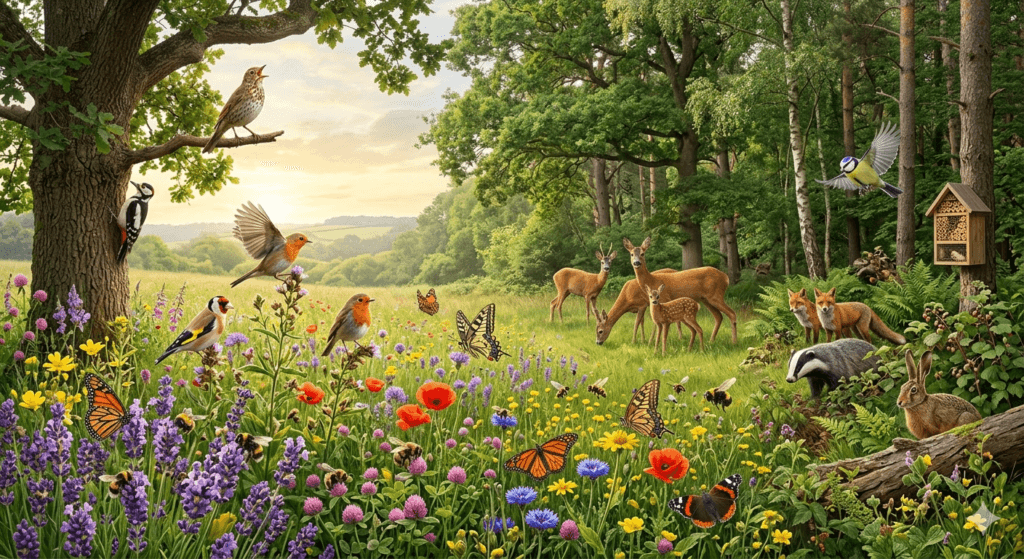
To attract migratory birds to your backyard in spring 2026, provide fresh water, native plants, safe feeders, and shelter like shrubs and nesting spots. Avoid pesticides and keep cats indoors to protect visiting species. Supporting beneficial insects and wildflowers also improves the ecosystem, making your yard a natural wildlife-friendly habitat.
Why Backyard Wildlife Gardening Is Trending in 2026
Backyard wildlife gardening is becoming a global trend in 2026, and it’s not just because people love nature. The real reason is environmental change. Climate shifts, habitat destruction, and expanding cities are forcing birds, bees, and butterflies to search for safer spaces.
Even small gardens, balconies, or rooftop spaces can become “mini wildlife sanctuaries” if they include the right plants and natural support systems.
More importantly, people are realizing that wildlife protection doesn’t only happen in forests—it starts at home.
How to Attract Migratory Birds to Your Backyard in Spring 2026
Spring migration is one of the most exciting natural events. Birds travel thousands of miles and stop in safe places to rest, feed, and recover.
If you want to succeed in how to attract migratory birds to your backyard in spring 2026, you need to create an environment that feels like a natural stopover habitat.
Best food and feeders for migratory birds
Migratory birds need high-energy food. Some of the best options include:
- Black oil sunflower seeds (universal favorite)
- Suet cakes (great for cold mornings)
- Nyjer seeds (attract finches)
- Mealworms (excellent for insect-eating birds)
Use clean feeders and refill regularly. Dirty feeders spread disease quickly.
Native plants that birds love
Birds trust native plants because they support insects, berries, and shelter.
Some strong examples include:
- Native berry shrubs
- Wild grasses
- Flowering native plants that attract insects
Native plants naturally increase bird visits because birds follow insect populations.
Water sources that increase bird visits
Water is often more powerful than food. Add:
- Bird bath
- Small pond
- Dripping water fountain
Moving water attracts birds faster because it signals safety.
Safety tips (cats, glass windows, pesticides)
This is critical. Many backyard birds die because of avoidable dangers:
- Keep cats indoors during migration season
- Use window decals to prevent glass collisions
- Avoid chemical pesticides
- Provide bushes for hiding spots
A bird-friendly backyard is not just about attracting birds—it’s about keeping them alive.
Common Garden Birds Identification Guide for Northern Hemisphere
Birdwatching becomes more enjoyable when you can identify species confidently.
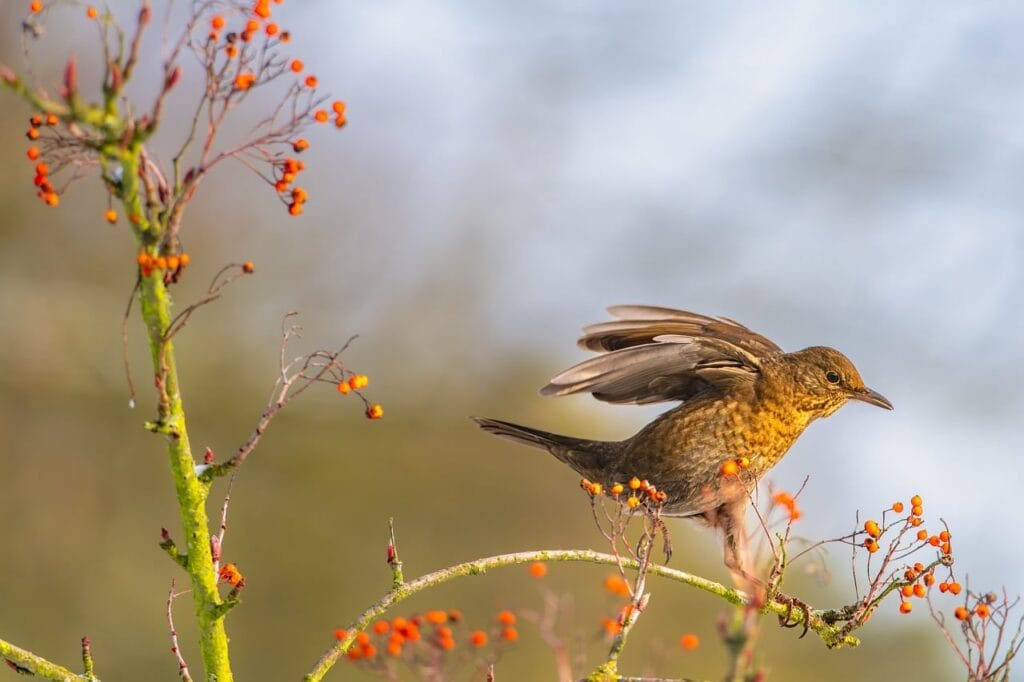
A simple common garden birds identification guide for Northern Hemisphere includes birds that appear in many regions such as:
- Sparrows
- Robins
- Starlings
- Chickadees
- Woodpeckers
- Finches
How to identify birds by sound and behavior
Bird identification is not only about color. Watch their:
- flight pattern
- feeding style
- body posture
- chirping rhythm
For example, woodpeckers climb vertically on trees, while finches hop and stay active near feeders.
Best apps for bird identification
In 2026, technology makes birdwatching easier. Apps can identify birds using sound recognition and photos. Using these tools makes learning fast and enjoyable for beginners.
Best Birdwatching Binoculars for Beginners Under 200 Dollars
If you want a better view of birds, binoculars are essential. But beginners often waste money on the wrong features.
The best birdwatching binoculars for beginners under 200 dollars should have:
- 8×42 or 10×42 magnification
- lightweight grip
- clear lens coating
- wide field of view
Mistakes beginners make when buying binoculars
Avoid:
- cheap zoom binoculars (blurry and unstable)
- heavy binoculars (painful to carry)
- high magnification with small lenses (dark image)
For beginners, comfort and clarity matter more than extreme zoom.
How to Build a Sustainable Insect Hotel for Solitary Bees
Solitary bees are harmless, non-aggressive pollinators. Unlike honeybees, they do not live in large colonies. But they are essential for gardens.
If you want to learn how to build a sustainable insect hotel for solitary bees, focus on safety and natural materials.
Materials to use and avoid
Best materials include:
- bamboo sticks
- untreated wood blocks with drilled holes
- dried hollow stems
- pinecones for small insects
Avoid plastic tubes or painted wood because they trap moisture and cause fungal growth.
Best placement for bee hotels
Place the hotel:
- facing morning sunlight
- at least 3–5 feet above ground
- protected from heavy rain
Maintenance tips
Clean or replace tubes yearly to prevent parasites. Sustainability also means preventing disease spread.
Benefits of Beneficial Insects for Organic Pest Control in Gardens
Many gardeners kill insects without realizing that some insects are actually protectors.
The benefits of beneficial insects for organic pest control in gardens are massive because they reduce the need for chemical sprays.
Helpful insects you should protect
Examples include:
- Ladybugs (eat aphids)
- Lacewings (destroy soft-bodied pests)
- Hoverflies (pollinate and eat pests)
- Praying mantis (natural predator)
How beneficial insects reduce pesticide use
Instead of poisoning your soil and plants, beneficial insects keep the pest population balanced naturally. This creates a healthier food system and protects birds that feed on insects.
How to attract beneficial insects naturally
You can attract them by planting:
- dill
- fennel
- marigolds
- native wildflowers
Avoid pesticide use because it kills both harmful and helpful insects.
Most Beautiful Butterfly Species to Attract With Native Wildflowers
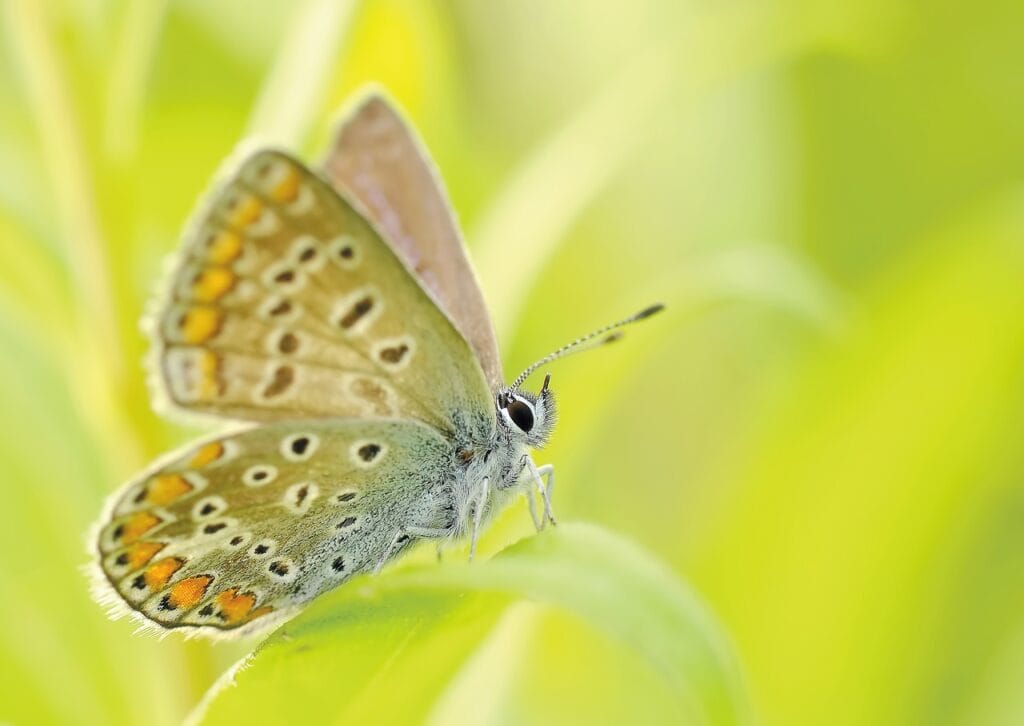
Butterflies are not only beautiful—they are important pollinators and indicators of ecosystem health.
Some of the most admired butterflies include:
- Monarch butterfly
- Swallowtail butterfly
- Painted lady
- Red admiral
To attract these species, you need the right plants.
Best native flowers for butterflies
Butterflies love nectar-rich blooms like:
- milkweed
- lavender
- coneflowers
- wild daisies
Why host plants matter more than nectar plants
Many people plant nectar flowers but forget host plants.
Butterflies lay eggs only on specific host plants. Without host plants, they may visit but will not stay. This is the secret to building a true butterfly habitat.
Impact of Urban Expansion on Local Wildlife Corridors and Habitats
Urban growth is one of the biggest threats to wildlife.
The impact of urban expansion on local wildlife corridors and habitats includes:
- broken migration paths
- reduced food sources
- higher roadkill rates
- loss of breeding grounds
What are wildlife corridors?
Wildlife corridors are natural pathways that animals use to move safely between habitats. When cities expand, these corridors get blocked by roads and buildings.
How communities can protect wildlife corridors
Cities can help by building:
- green bridges
- protected forest strips
- park networks connected through trees
- wildlife-safe road crossings
Even planting trees along roads can help birds and insects travel safely.
Ethical Wildlife Tourism Destinations for Seeing Animals in the Wild
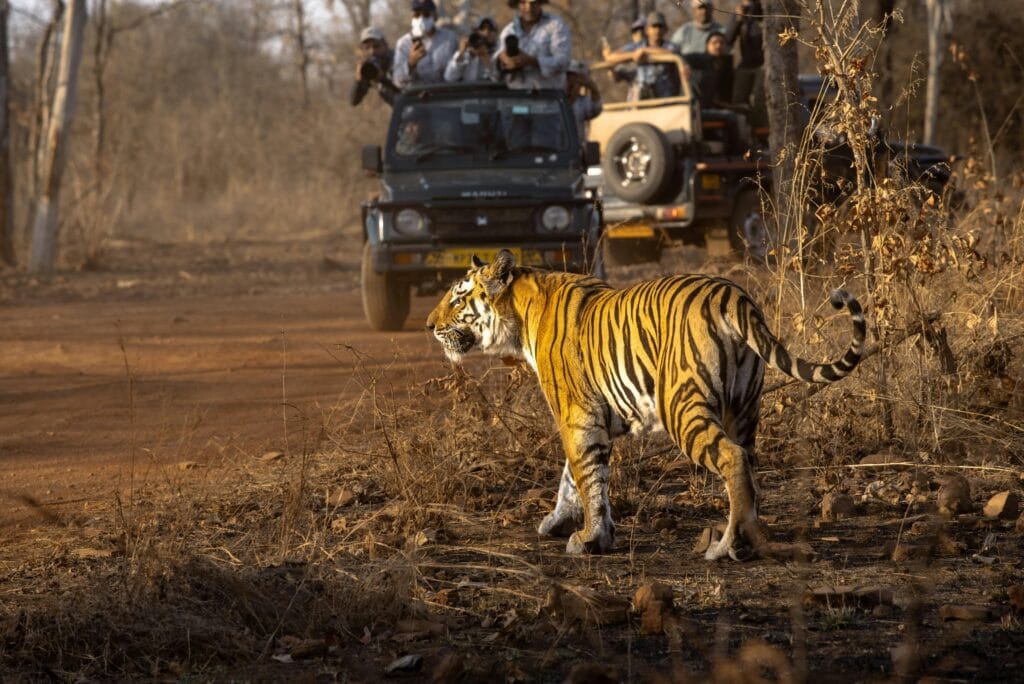
Wildlife tourism is rising, but not all wildlife tourism is ethical.
Ethical wildlife tourism means:
- observing animals without disturbing them
- supporting local conservation
- avoiding animal captivity for entertainment
The best ethical wildlife tourism destinations for seeing animals in the wild are places where wildlife is protected and visitors follow strict rules.
Red flags to avoid
Avoid tours that:
- allow touching wild animals
- force animals to perform
- promote selfies with wildlife
- keep animals in small cages
Real wildlife experiences should respect freedom and natural behavior.
Best Small Indoor Animals for Apartment Living With Low Maintenance
Not everyone can own a dog or cat, especially in small apartments. But there are still low-maintenance pets that can fit apartment life.
The best small indoor animals for apartment living with low maintenance include:
- Hamsters (small and simple care)
- Guinea pigs (friendly and social)
- Betta fish (low space requirement)
- Small turtles (if properly maintained)
- Budgies (if you can manage noise)
Ethical pet ownership tips
Always consider:
- space needs
- proper diet
- mental stimulation
- clean environment
Animals not suitable for apartments
Some animals look small but need high care, such as exotic reptiles requiring special heating systems. Never buy a pet without understanding its long-term responsibility.
Conclusion:
In 2026, protecting wildlife is no longer a job only for conservationists—it has become a shared responsibility for everyday people. By learning how to attract migratory birds to your backyard in spring, you are not just creating beauty; you are offering a safe resting place for species traveling across continents. Adding clean water sources, native plants, and safe feeders can turn even a small garden into a powerful migration support station.
At the same time, supporting biodiversity means thinking beyond birds. Building a sustainable insect hotel for solitary bees and planting native wildflowers for butterflies strengthens the entire ecosystem. Beneficial insects naturally control pests, reduce pesticide dependency, and protect soil health—making gardens more productive and environmentally safe.
However, urban expansion continues to threaten wildlife corridors and habitats, which makes backyard conservation even more valuable. Communities that protect green spaces, plant native trees, and support wildlife pathways are actively fighting habitat destruction. Even simple actions like reducing chemical sprays, creating rooftop gardens, or supporting local conservation projects can create long-term impact.
Finally, ethical wildlife tourism reminds us that nature should be admired with respect—not exploited for entertainment. Whether you are birdwatching locally, traveling to see wildlife in the wild, or caring for small indoor pets responsibly, the goal should always be the same: living in harmony with nature.
Because the truth is clear—wildlife survival is connected to human choices. And when we build homes and cities that welcome birds, bees, and butterflies, we are not only saving nature… we are saving our own future too.
FAQs:
1. What is the best time of day for birdwatching in spring?
The best time is early morning, usually within the first two hours after sunrise, when birds are most active and vocal.
2. Do insect hotels attract harmful insects?
Not usually. If built properly with natural materials and cleaned yearly, insect hotels mainly attract beneficial pollinators like solitary bees and harmless insects.
3. How can renters support wildlife without having a backyard?
Renters can grow native flowers in pots, install a small bird feeder on balconies, add a water bowl, and avoid chemical sprays in indoor plants.

“Hi, I am Umer Hasib. I am a passionate blogger and content creator who loves exploring human psychology, social behaviors, and personal growth. Welcome to my inner space!”