
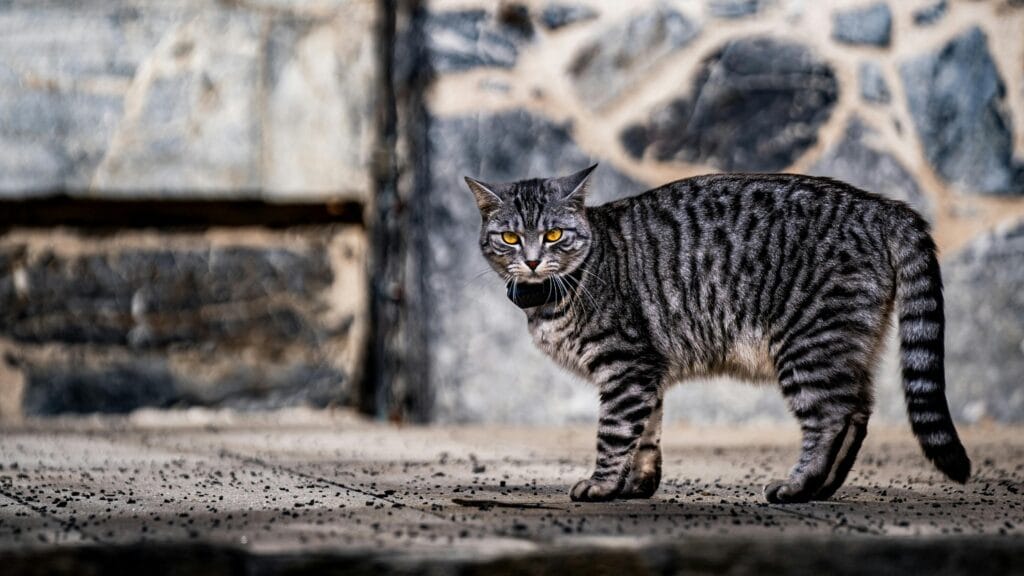
Understanding Animal Nature
Animal nature refers to the natural instincts, behaviors, and survival patterns that animals follow without being taught. Every animal—whether wild or domestic—acts based on instinct, environment, and emotional signals.
Cats, in particular, are highly instinct-driven creatures. Even though they live with humans, many of their behaviors come from their wild ancestry. One of the most confusing and frustrating behaviors for pet owners is urine spraying inside the house.
So why does this happen? Let’s break it down in a simple, natural, and practical way.
What Is Cat Spraying?
Cat spraying is different from normal urination.
When a cat sprays:
- It usually stands upright
- It releases a small amount of urine
- It targets vertical surfaces like walls or furniture
This behavior is not about hygiene—it is about communication.
Why Do Cats Spray Urine Around the House?
1. Territory Marking (Most Common Reason)
Cats are territorial animals. Spraying is their way of saying:
“This space belongs to me.”
They use urine scent to mark boundaries, especially in shared or unfamiliar environments.
This is more common when:
- New pets enter the home
- Stray cats are nearby
- The cat feels its space is threatened
2. Stress or Anxiety
Cats are sensitive to changes in their environment.
Stress triggers include:
- Moving to a new home
- Loud noises
- New family members
- Changes in routine
When stressed, spraying becomes a coping behavior.
3. Mating Behavior (Unneutered Cats)
Unneutered male and female cats often spray to attract mates.
This is:
- Hormone-driven
- Stronger in outdoor-visible environments
- More frequent during mating seasons
Neutering often reduces or stops this behavior significantly.
4. Communication with Other Cats
Cats “talk” through scent.
Spraying helps them:
- Signal dominance
- Warn other cats
- Share emotional state
Even indoor cats may spray if they sense other cats outside.
5. Medical Issues (Sometimes Overlooked)
Not all spraying is behavioral.
Sometimes it can be linked to:
- Urinary tract infections
- Bladder inflammation
- Kidney problems
If spraying suddenly starts, a vet check is important.
How to Stop Cat Spraying Naturally
1. Clean Scent Marks Properly
Cats return to places where they smell urine.
Use:
- Enzyme-based cleaners
- Not ammonia-based products (they worsen the smell)
2. Reduce Stress in the Environment
Create a calm space:
- Maintain routine feeding times
- Avoid sudden changes
- Provide hiding spots or safe zones
3. Neuter or Spay Your Cat
This is one of the most effective solutions for hormone-related spraying.
It helps:
- Reduce territorial behavior
- Lower mating instincts
- Improve overall calmness
4. Provide Enough Territory
Even indoor cats need space.
You can help by:
- Adding scratching posts
- Using cat trees
- Creating separate zones in the house
5. Avoid Punishment
Punishing a cat does NOT stop spraying.
It often:
- Increases stress
- Makes behavior worse
- Damages trust
Green-Friendly Pet Care Approach
A calm environment benefits bothhumans and pets.
Eco-friendly ways to support your cat:
- Use natural cleaning products
- Reduce chemical air fresheners
- Provide natural materials like wood and cardboard toys
- Keep indoor air fresh with ventilation and plants (safe ones for cats)
A peaceful environment reduces stress-driven behaviors naturally.
Final Thoughts
Cat spraying is not “bad behavior”—it is natural communication rooted in instinct.
Understanding why it happens is the first step to solving it. Whether it’s territory marking, stress, or health issues, your cat is simply reacting to its environment.
With patience, care, and proper management, this behavior can often be reduced or completely stopped.
In the end, your cat isn’t trying to annoy you—it’s trying to speak in its own natural language.

“Hi, I am Umer Hasib. I am a passionate blogger and content creator who loves exploring human psychology, social behaviors, and personal growth. Welcome to my inner space!”