
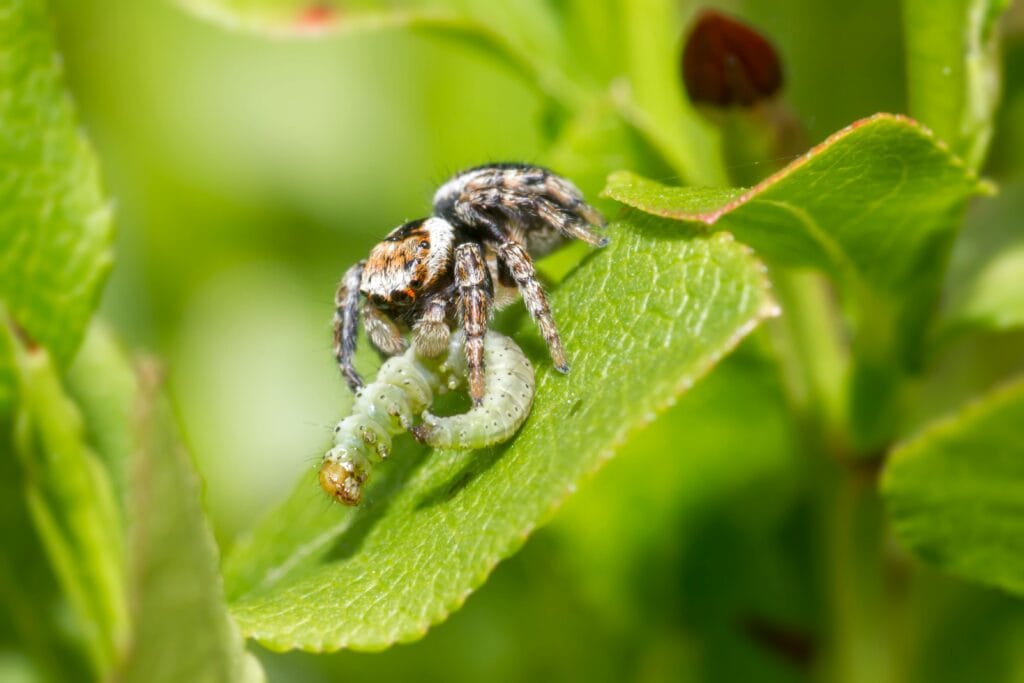
The predator vs prey relationship in nature is a survival interaction where predators hunt prey for food, while prey animals develop defenses to escape. This natural struggle creates an evolutionary arms race, shaping animal behavior, hunting adaptations, camouflage strategies, and population cycles. It also helps maintain ecosystem balance and supports biodiversity by controlling species populations naturally.
Introduction
Nature is full of silent battles happening every day. From a lion chasing a zebra to a hawk diving for a rabbit, the struggle between predator and prey is one of the strongest forces shaping life on Earth. This relationship is not only about hunting and escaping, but also about evolution, survival instincts, and ecosystem balance.
In this article, we will explore how predators and prey evolve, how animals protect themselves, and why this natural struggle is important for biodiversity.
What Is the Predator vs Prey Relationship in Nature?
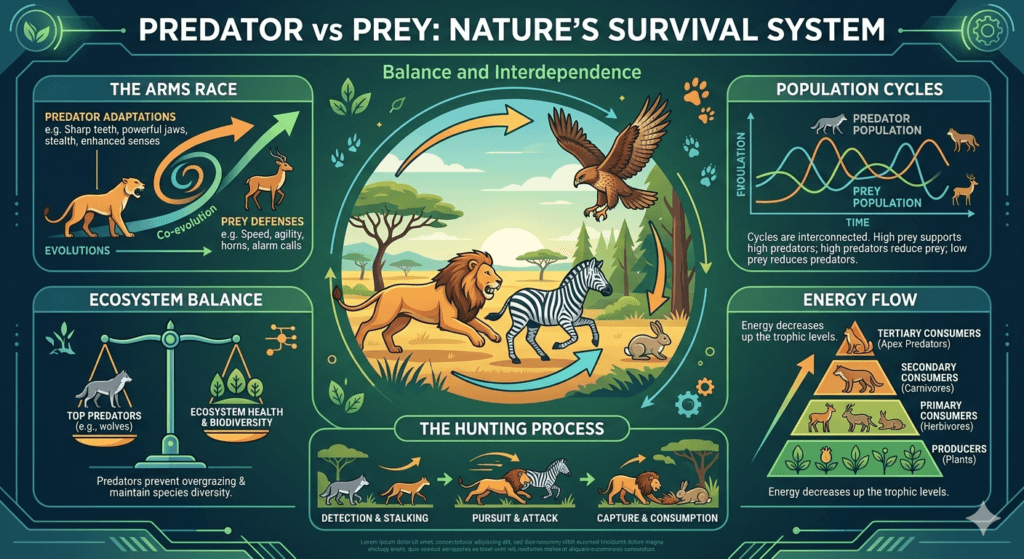
The predator vs prey relationship in nature is a natural interaction where one animal (predator) hunts another animal (prey) for food. This relationship exists in almost every ecosystem, including forests, oceans, deserts, and grasslands.
Predators depend on prey for survival, and prey animals depend on their defense skills to stay alive.
Why Predator-Prey Interaction Is Important for Ecosystem Balance
This relationship keeps nature stable. If prey animals become too many, they can overuse plants and destroy habitats. If predators disappear, prey populations can grow uncontrollably.
That’s why predator-prey interaction plays a key role in keeping ecosystems healthy.
Evolutionary Arms Race Between Predator and Prey
The battle between predator and prey is called an evolutionary arms race. Over time, predators develop better hunting skills, while prey develop better survival adaptations.
Predator vs Prey Adaptations (Comparison Chart)
| Predator Adaptations | Prey Adaptations |
|---|---|
| Sharp teeth & claws | Camouflage & mimicry |
| High speed | Fast escape reflex |
| Strong smell | Alert hearing & vision |
| Pack hunting | Herd/group defense |
| Night vision | Hiding behavior |
| Stealth attack | Warning calls |
This happens because of natural selection, where animals with stronger traits survive and reproduce more.
How Predators and Prey Evolve Over Time for Survival
Predators evolve features like:
- stronger claws
- sharper teeth
- faster speed
- better eyesight
Prey evolve features like:
- camouflage
- quick reflexes
- alert senses
- defensive weapons
Each side becomes smarter and stronger with time.
Natural Selection and Survival Adaptations in Wildlife
Natural selection makes sure only the best survivors pass their genes forward. That’s why nature keeps improving animal abilities in every generation.
This constant improvement is what makes wildlife so diverse and fascinating.
Adaptations of Predators for Successful Hunting
Predators need to hunt efficiently, or they may starve. Many predators have special adaptations that make them successful hunters.
Speed, Strength, and Sharp Senses in Predator Hunting Strategies
Some predators rely on speed, like cheetahs. Others rely on strength, like tigers and bears.
Many predators also have strong senses such as:
- excellent smell (wolves)
- sharp vision (eagles)
- sensitive hearing (owls)
These traits give predators an advantage during hunting.
How Pack Hunting Improves Predator Success Rate
Pack hunting is a powerful strategy. Animals like wolves, lions, and dolphins hunt in groups. Working together helps them:
- trap prey
- reduce escape chances
- take down larger animals
Pack hunting is one of the smartest predator hunting adaptations.
Animal Defense Mechanisms Against Predators
Prey animals are not helpless. They have many defense mechanisms to survive.
Fighting Back, Escaping, and Protective Survival Behaviors
Some prey animals use speed to escape, like deer and rabbits. Others live in groups for protection, like zebras and antelopes.
Common defense behaviors include:
- running fast
- hiding
- living in herds
- giving warning sounds
These actions reduce predator success.
Defensive Adaptations Like Spines, Venom, and Shells
Many animals have physical protection, such as:
- porcupine spines
- turtle shells
- snake venom
- skunk spray
These defense mechanisms can injure predators or scare them away.
Camouflage and Mimicry Strategies for Survival
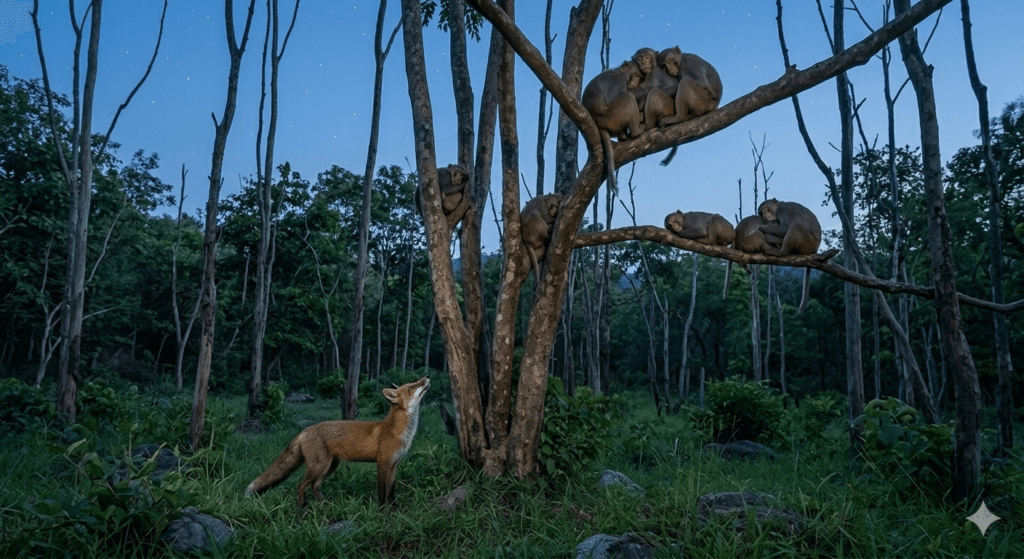
One of the most powerful survival strategies is staying invisible.
How Camouflage Helps Prey Avoid Predators
Camouflage allows animals to blend into their surroundings. For example:
- green insects hide in leaves
- arctic foxes blend with snow
- tigers blend in grass
This makes it hard for predators to find prey.
Mimicry Examples in Animals for Predator Confusion
Mimicry is when an animal copies another animal’s look or behavior to survive. For example:
- harmless butterflies mimic poisonous butterflies
- some snakes mimic dangerous species
Mimicry protects prey because predators avoid animals that look harmful.
Predator-Prey Population Cycles in Ecosystems
In nature, predator and prey populations rise and fall in cycles. This is known as predator-prey population cycles.
How Predator-Prey Population Cycles Affect Nature’s Balance
When prey animals increase, predators have more food, so predator numbers grow too. But when predator numbers rise, prey animals decrease.
Then predators struggle due to less food, so predator numbers fall again.
This cycle keeps repeating naturally.
What Happens When Prey Increases or Predators Decrease
If predators disappear, prey may become too many. This can lead to:
- plant destruction
- habitat damage
- food shortage
- ecosystem imbalance
That’s why predators are important for long-term stability.
Role of Apex Predators in Maintaining Biodiversity
Apex predators are animals at the top of the food chain. They have no natural predators.
Examples include:
- lions
- wolves
- sharks
- eagles
How Apex Predators Control Prey Populations Naturally
Apex predators control weaker prey populations. They usually hunt sick, old, or weak animals, which improves the health of prey species.
This prevents overpopulation and keeps nature balanced.
Why Biodiversity Collapses When Apex Predators Disappear
When apex predators disappear, prey animals grow too much. This can cause overgrazing and plant loss.
When plants disappear, other animals lose food and shelter. Slowly, biodiversity reduces and ecosystems weaken.
Innate vs Learned Survival Instincts in Animals
Survival depends on instincts. Some instincts are natural, while others are learned.
Natural Instincts Animals Are Born With
Innate instincts are behaviors animals are born with, such as:
- baby turtles moving toward the ocean
- birds building nests
- deer running from danger
These instincts help animals survive from the first day of life.
How Animals Learn Survival Skills Through Experience
Learned instincts come from experience. For example:
- lions learn hunting from their mothers
- birds learn migration routes
- monkeys learn danger signals
Animals that learn faster have higher survival chances.
Real-Life Predator vs Prey Examples in the Wild
Nature offers endless examples of predator-prey relationships.
Lion vs Zebra Survival Struggle
Lions are powerful predators. Zebras survive using speed, group movement, and strong alertness. A zebra herd often protects weaker members by staying together.
Hawk vs Rabbit Hunting Behavior
Hawks use sharp vision to spot rabbits from the sky. Rabbits survive by hiding, staying quiet, and running in zigzag patterns to confuse predators.
These examples show how both sides have survival adaptations.
What Predator vs Prey Teaches Us About Nature
The predator vs prey relationship teaches an important lesson: nature survives through balance. Predators are not “evil,” and prey are not “weak.” Both are essential parts of life.
This natural struggle keeps ecosystems healthy, controls populations, and improves animal species through evolution.
Conclusion:
The evolutionary arms race between predator and prey is one of the most powerful forces in the natural world. Predators develop hunting adaptations like speed, strength, and teamwork. Prey develop defense mechanisms like camouflage, mimicry, warning signals, and survival instincts.
This constant cycle creates balance in ecosystems and helps maintain biodiversity. Without predators, prey would overpopulate and damage habitats. Without prey, predators would not survive.
In the end, predator vs prey is not just a fight for survival—it is nature’s way of keeping life strong, stable, and perfectly connected.
FAQs
What is the predator vs prey relationship in nature?
The predator vs prey relationship is an interaction where one animal hunts another for food. Predators depend on prey to survive, while prey depend on defense strategies like camouflage and speed.
2. Why is the predator-prey relationship important for ecosystems?
It helps control animal populations and prevents overpopulation. This balance protects plants, habitats, and biodiversity in ecosystems.
3. What is an evolutionary arms race between predator and prey?
An evolutionary arms race happens when predators evolve better hunting skills while prey evolve stronger defenses. Over time, both species develop advanced survival adaptations.
4. How do prey animals protect themselves from predators?
Prey animals use different defense mechanisms such as running fast, living in groups, camouflage, mimicry, venom, shells, spines, and warning signals.
5. What are apex predators and why are they important?
Apex predators are top predators that have no natural enemies. They help maintain biodiversity by controlling prey populations and preventing ecosystem imbalance.
6. What is camouflage and why is it useful for survival?
Camouflage is a survival strategy where animals blend into their environment. It helps prey avoid detection and also helps predators hide while hunting.
7. Do predator and prey populations change over time?
Yes, predator and prey populations rise and fall in cycles. When prey increases, predators increase too, and when prey decreases, predator numbers drop as well.
8. Are survival instincts in animals learned or natural?
Some survival instincts are innate (born with), while others are learned through experience and training, especially from parents or group members.

“Hi, I am Umer Hasib. I am a passionate blogger and content creator who loves exploring human psychology, social behaviors, and personal growth. Welcome to my inner space!”