
Understanding Noise
Noise is a powerful force in both human and animal life. While some sounds feel normal to us—like traffic, fireworks, or construction—pets often experience these sounds differently. Their hearing is sharper, more sensitive, and more alert to sudden changes in the environment.
That’s why loud or unexpected noises can become terrifying for many pets. In some cases, this fear grows so strong thatit becomes a serious behavioral condition known as noise phobia.
So what exactly is noise phobia in pets, and why does it happen? Let’s explore it in a clear and simple way.
What Is Noise Phobia in Pets?
Noise phobia is an extreme fear response that pets show when they hear loud or sudden sounds. It is not just normal fear—it is a deeper panic reaction that can affect their health, behavior, and daily routine.
Pets with noise phobia may react to certain sounds as if their life is in danger.
This fear can be triggered by:
- Thunderstorms
- Fireworks
- Gunshots
- Loud traffic
- Vacuum cleaners
- Construction sounds
- Sirens
Noise phobia is most common in dogs, but cats and other animals can also suffer from it.
How Is Noise Phobia Different From Normal Fear?
Fear vs Phobia in Pets
Normal fear is temporary. A pet may get scared but returns to normal quickly.
Noise phobia is more intense and long-lasting.
A pet with noise phobia may:
- Panic even before the sound begins
- Tremble or shake uncontrollably
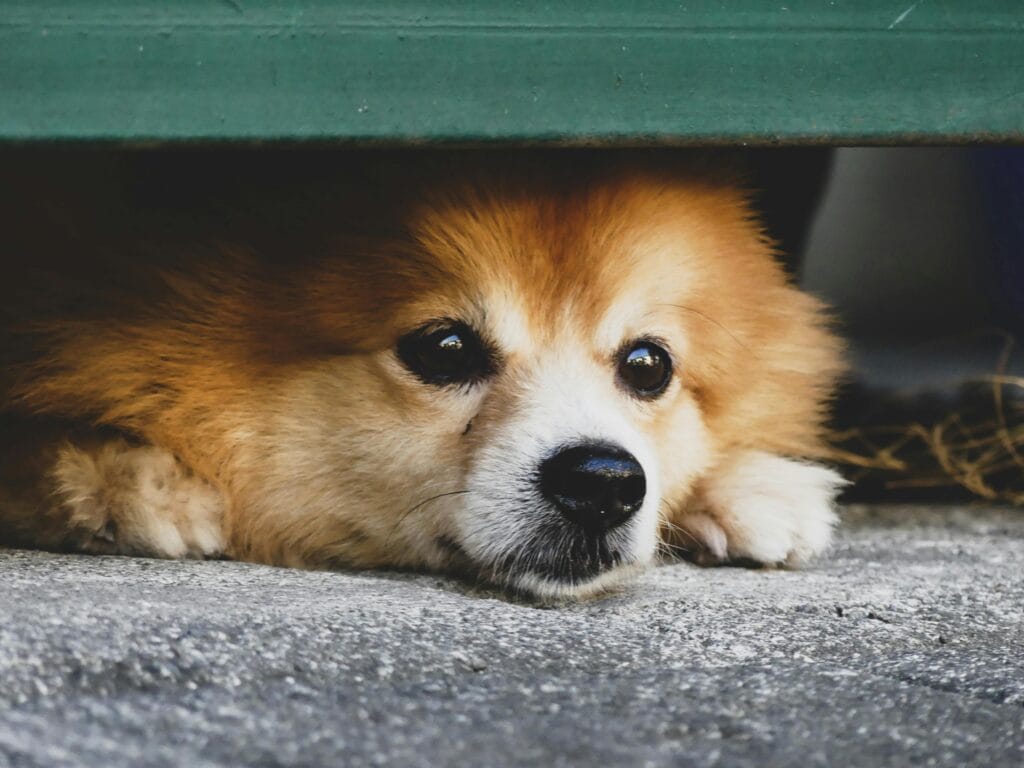
- Hide for hours
- Refuse food or water
- Try to escape the house
- Become aggressive out of fear
In serious cases, pets may even injure themselves while trying to run away.
Common Signs of Noise Phobia in Pets
Behavioral Symptoms
Pets may show:
- Barking or meowing nonstop
- Whining or crying
- Clinging to owners
- Hiding under furniture
- Scratching doors or windows
- Pacing around the house
Physical Symptoms
You may notice:
- Heavy panting
- Drooling
- Shaking
- Fast heartbeat
- Wide eyes and tense body
These are signs that the pet’s nervous system is in full stress mode.
Why Does Noise Phobia Happen in Pets?
1. Sensitive Hearing and Natural Survival Instincts
Pets, especially dogs and cats, have sharper hearing than humans. They can detect frequencies and sound levels that we cannot.
In nature, loud sounds often signal danger:
- Predators
- Storms
- Earth movement
- Threats nearby
So when a pet hears fireworks or thunder, their brain may react instinctively as if survival is at risk.
2. Bad Past Experiences (Trauma)
Sometimes a pet develops noise phobia because of a traumatic event.
For example:
- A dog gets lost during fireworks
- A loud sound happens during a painful experience
- A pet is abused in a noisy environment
The brain links noise with danger, and the fear becomes permanent unless treated.
3. Genetics and Breed Behavior
Some pets are naturally more nervous than others.
Certain breeds are known to be more sensitive, alert, or anxious.Genetics can influence:
- confidence level
- fear response
- stress tolerance
This means some pets are born with a higher chance of developing phobias.
4. Lack of Early Socialization
Pets that are not exposed to normal sounds during early development may become fearful later.
For example, a puppy raised in a quiet environment may panic when exposed to:
- city noise
- crowds
- traffic
- fireworks
Early exposure helps pets build confidence.
5. Aging and Health Problems
Older pets can develop new fears due to:
- hearing changes
- cognitive confusion
- pain and weakness
- memory problems
An aging dog or cat may feel less secure and react more strongly to loud sounds.
Why Noise Phobia Is Dangerous
Noise phobia is not just emotional—it can become physically harmful.
Risks include:
- injury from escaping or jumping
- dehydration due to fear
- loss of appetite
- increased heart stress
- long-term anxiety disorders
That’s why it should be taken seriously.
How to Help Pets With Noise Phobia (Natural & Practical Ways)
1. Create a Safe Space
Pets need a quiet corner where they feel protected.
A safe space can include:
- a crate with a blanket
- a quiet room
- a soft bed away from windows
- familiar toys
This gives them a sense of control.
2. Use Calming Sounds
White noise or soft music can reduce sudden noise impact.
You can try:
- gentle music
- fan sound
- calming pet playlists
This helps block fireworks or thunder sounds.
3. Stay Calm and Supportive
Pets feel your emotions. If you panic, they panic more.
Speak softly and stay relaxed. Do not punish them for fear behavior.
4. Train Slowly With Desensitization
Desensitization is one of the best long-term solutions.
This means:
- playing low-volume thunder/fireworks sounds
- rewarding calm behavior
- slowly increasing volume over time
This teaches the pet that the sound is not dangerous.
5. Try Green-Friendly Calming Options
Eco-friendly and natural methods can support calmness:
- natural cotton blankets
- safe herbal calming sprays (vet-approved)
- natural pet-safe aromatherapy (very carefully)
- increased outdoor walks in calm nature spaces
Spending time in nature helps pets release stress naturally.
When Should You See a Vet?
If your pet’s noise fear is severe,professional help is necessary.
Contact a vet if:
- your pet hurts itself during panic
- fear lasts for hours
- your pet refuses food repeatedly
- behavior suddenly changes
- aggression increases
In some cases, vets may recommend:
- anxiety medication
- behavioral therapy
- calming supplements
Final Thoughts
Noise phobia in pets is a serious condition that happens when fear becomes extreme. It is caused by sensitive hearing, natural instincts, trauma, genetics, lack of early exposure, or aging.
The good news is that with patience, training, and a calm environment, pets can improve over time.
Remember: your pet is not being “dramatic.”
They are reacting to sound as a real threat.
With love and understanding, you can help them feel safe again.

“Hi, I am Umer Hasib. I am a passionate blogger and content creator who loves exploring human psychology, social behaviors, and personal growth. Welcome to my inner space!”