
INTRODUCTION
In a world that moves too fast, many of us are quietly breaking inside. We smile in front of others, reply “I’m fine,” and continue living with a heavy heart. Stress becomes normal. Anxiety becomes routine. Sleepless nights become a habit. And slowly, we start believing that the only solution is medicine.
But what if the real healing is not always found in a pill bottle?
What if peace is not something you buy, but something you practice?
This is where mindfulness becomes a gift—simple, gentle, and deeply powerful. It doesn’t replace medical treatment when needed, but it reminds us that sometimes the mind needs attention more than medication.
The Silent Power of Being Present
Mindfulness Over Medicine: Simple Daily Rituals for Inner Calm
In a world that moves too fast, many of us are quietly breaking inside. We smile in front of others, reply “I’m fine,” and continue living with a heavy heart. Stress becomes normal. Anxiety becomes routine. Sleepless nights become a habit. And slowly, we start believing that the only solution is medicine.
But what if the real healing is not always found in a pill bottle?
What if peace is not something you buy, but something you practice?
This is where mindfulness becomes a gift—simple, gentle, and deeply powerful. It doesn’t replace medical treatment when needed, but it reminds us that sometimes the mind needs attention more than medication.
The Silent Power of Being Present
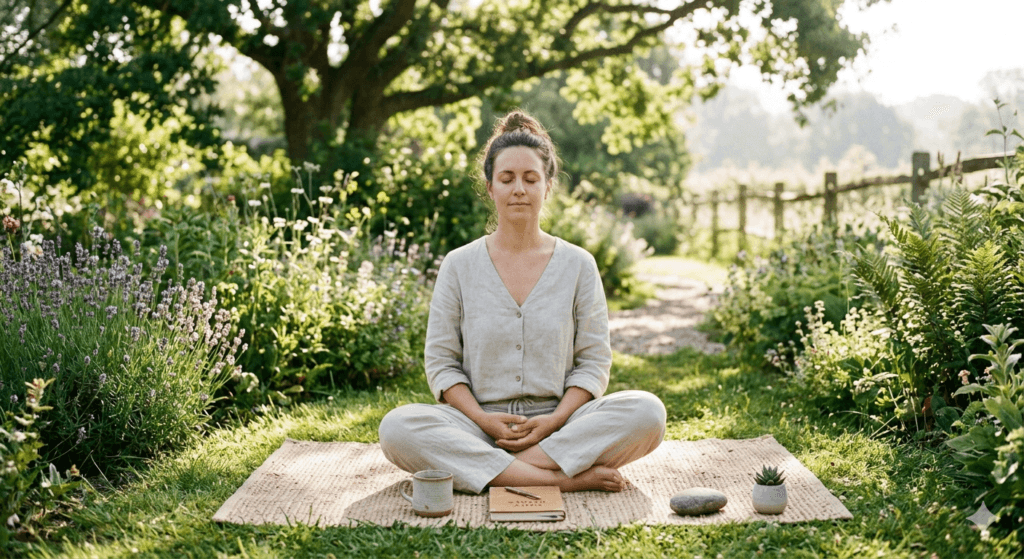
Mindfulness is not complicated. It is simply the act of being present—fully present.
Not worrying about tomorrow.
Not replaying yesterday.
Just living in this moment, even if life feels messy.
When you start practicing mindfulness, you begin to notice small things again: the sound of birds, the warmth of tea, the calmness of morning air, the way your breath moves in and out. These little moments slowly rebuild your soul.
Morning Breathing: A Fresh Start for the Mind
Before checking your phone, before opening social media, take two minutes to breathe.
Close your eyes.
Inhale slowly.
Hold for a second.
Exhale gently.
This simple ritual tells your body: “You are safe. You are here. You can handle today.”
It may seem small, but breathing mindfully is like sending love to your nervous system.
A Quiet Cup of Tea: Healing in Silence
Make a cup of tea or coffee and drink it without distractions.
No phone.
No TV.
No scrolling.
Just you and your warm cup.
Feel the heat. Smell the aroma. Taste each sip slowly.
This daily practice teaches your mind to slow down. It turns an ordinary drink into a moment of comfort and inner calm.

Gratitude Before Sleep: Closing the Day with Peace
Most people sleep with stress in their hearts. They carry the weight of the day into the night.
Instead, try this ritual:
Before sleeping, think of three things you are grateful for.
It could be simple:
- A kind message from someone
- A meal you enjoyed
- The fact that you survived another day
Gratitude doesn’t erase pain, but it softens it. It reminds you that even in darkness, light still exists.
Walking Mindfully: Let Nature Hold You
Go outside for a short walk, even if it’s just 10 minutes.
Listen to your footsteps.
Feel the air on your face.
Watch the sky.
When you walk mindfully, you release tension from your body. Nature becomes your therapist. The world feels less heavy, and your mind becomes clearer.
Conclusion:
Mindfulness also helps you understand yourself better. When you become aware of your thoughts and emotions, you stop reacting impulsively. You begin responding with patience and wisdom. Instead of being controlled by anger, fear, or anxiety, you learn to observe these feelings and let them pass like clouds. This simple awareness is a form of strength that protects your mental peace.
While medicine can be helpful in serious situations, mindfulness offers long-term healing by improving the root of the problem—your relationship with your own mind. It teaches you to manage stress, release negativity, and build emotional resilience. With time, mindfulness becomes like an inner shield, helping you stay peaceful even when life is difficult.
In the end, mindfulness is not about living a life without problems. It is about learning how to stay calm even when problems exist. It is a daily practice of choosing peace over panic, awareness over anxiety, and gratitude over negativity. When mindfulness becomes part of your lifestyle, inner calm stops being a dream and becomes your new reality.
FAQs:
1. What is mindfulness in simple words?
Mindfulness means focusing on the present moment with full attention, without overthinking the past or worrying about the future.
2. Can mindfulness really reduce stress and anxiety?
Yes, mindfulness reduces stress by calming the nervous system, slowing racing thoughts, and helping the mind feel more balanced and controlled.
3. What are some simple daily mindfulness rituals?
Simple rituals include deep breathing, morning silence, gratitude journaling, mindful walking, meditation, and limiting phone usage.
4. Is mindfulness better than medicine for mental health?
Mindfulness can be very effective for stress and emotional balance, but medicine may still be necessary for serious mental health conditions. Mindfulness works best as a long-term supportive habit.

“Hi, I am Umer Hasib. I am a passionate blogger and content creator who loves exploring human psychology, social behaviors, and personal growth. Welcome to my inner space!”