
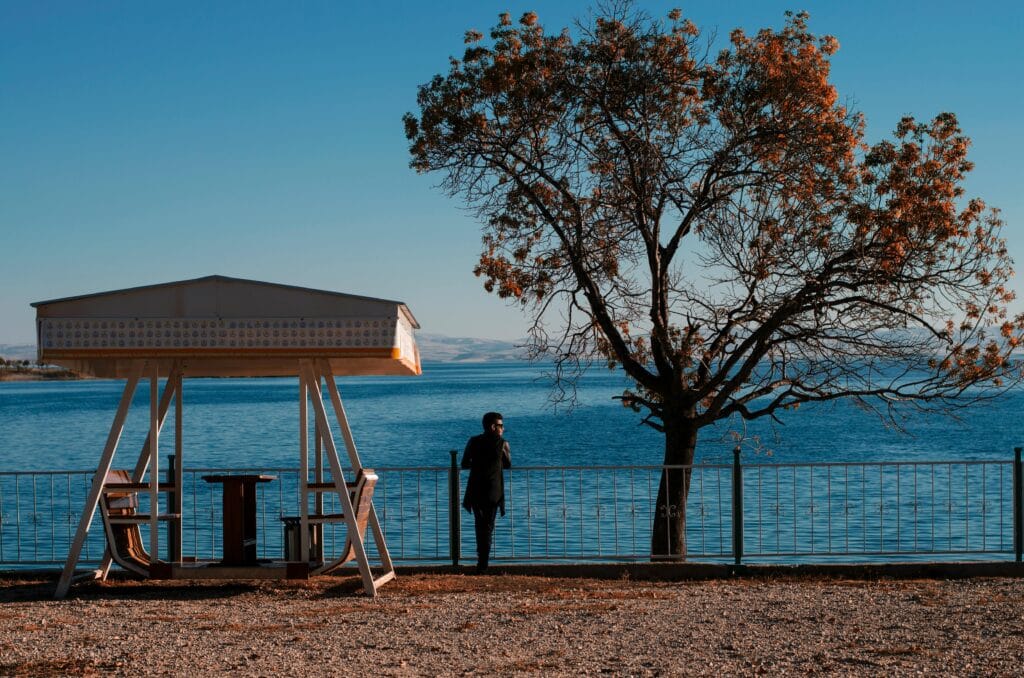
SEO Featured Snippet
Classical vs Romantic Nature reflects two different ways humans emotionally connect with landscapes. Classical nature values order, symmetry, and structure, while romantic nature celebrates wild beauty, solitude, and emotional depth. Introverts are often drawn toward untamed wilderness because it offers peace, self-reflection, and freedom from social overstimulation.
Introduction: The Silent Pull of the Wild
There is a strange feeling many introverts understand deeply: the moment when crowded cities become unbearable, polished parks feel emotionally empty, and the soul quietly longs for forests, rain, mountains, or isolated coastlines.
This longing is not random. It reflects an ancient philosophical divide known as Classical vs Romantic Nature.
The classical view of nature celebrates balance, order, symmetry, and human control. Romantic nature, however, embraces mystery, emotion, unpredictability, and untamed beauty.
And for many introverts, the romantic wilderness feels more emotionally honest than perfectly organized human spaces.
This article explores why quiet minds are naturally drawn toward raw landscapes, how romantic nature heals psychological exhaustion, and why the wilderness often becomes an introvert’s deepest sanctuary.
Defining Classical vs Romantic Nature
To understand why introverts love wild landscapes, we first need to understand the philosophical conflict between classical and romantic views of nature.
What Does “Classical Nature” Mean?
Classical nature focuses on:
- order
- symmetry
- structure
- human control
- harmony through design
This philosophy appears in:
- geometric gardens
- organized parks
- carefully designed architecture
- controlled landscapes
Classical thinkers believed beauty comes from balance and rational perfection.
What Does “Romantic Nature” Mean?
Romantic nature is the opposite.
It celebrates:
- emotional intensity
- mystery
- chaos
- wilderness
- raw emotional beauty
Instead of polished gardens, romanticism loves:
- foggy mountains
- stormy oceans
- ancient forests
- lonely valleys
- dramatic skies
Romantic thinkers believed nature should be felt emotionally, not controlled mechanically.
Why Personality Influences Landscape Preferences
Our personality shapes the environments where we feel emotionally safe.
Extroverts often enjoy energetic public spaces filled with social stimulation. Introverts, however, frequently seek environments that reduce noise and encourage reflection.
That is why many introverts naturally move toward romantic landscapes rather than classical ones.
Understanding the Romantic View of Nature
The romantic movement changed how humans emotionally viewed the natural world.
What is Romanticism in the Context of Nature?
Romanticism emerged as a reaction against strict logic and industrial control.
Instead of worshipping order, romantic thinkers believed:
- emotions matter deeply
- solitude creates wisdom
- nature heals the spirit
- wilderness reflects the human soul
Nature became more than scenery.
It became emotional therapy.
Emotions, Raw Beauty, and Untamed Landscapes
Romantic nature values emotional intensity over perfection.
A stormy coastline can feel more powerful than a perfectly maintained garden because it reflects authentic emotion—fear, awe, loneliness, freedom, and wonder all at once.
Introverts often connect deeply with this emotional honesty.
How Romantic Nature Differs From the Structured Classical View
The key difference in Classical vs Romantic Nature lies in control.
Classical spaces are designed. Romantic spaces are discovered.
Classical landscapes comfort through predictability. Romantic wilderness comforts through emotional freedom.
For introverts who constantly feel pressured to “perform” socially, untamed nature can feel liberating.
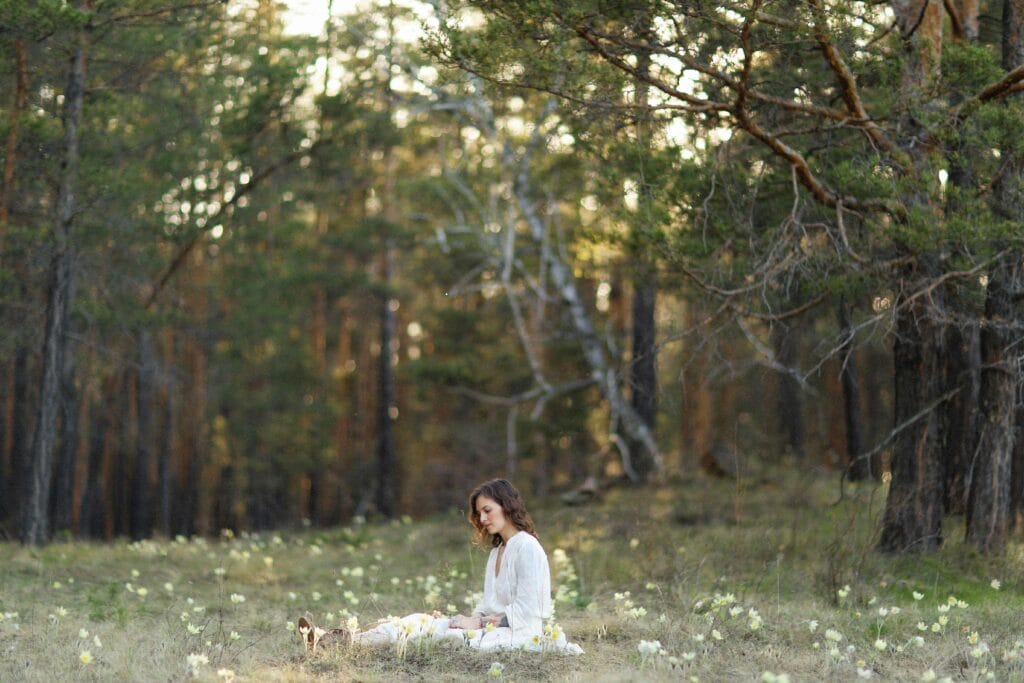
The Introvert’s Psychology: Why Quiet Minds Need Raw Wilderness
Introverts process stimulation differently from extroverts. Their nervous systems often become exhausted faster in crowded environments.
That’s why romantic wilderness becomes psychologically restorative.
Sensory Overload vs. The Calming Effect of Deep Woods
Cities overload the mind with:
- traffic sounds
- conversations
- advertisements
- social expectations
- artificial lighting
Forests, rain, and mountains create the opposite effect.
Natural sounds reduce mental tension and allow the brain to slow down.
For introverts, silence is not emptiness.
It is recovery.
Solitude as a Source of Psychological Recharge
Many people misunderstand solitude as loneliness. But for introverts, healthy solitude can feel deeply energizing.
In romantic wilderness, there is no pressure to impress anyone.
No performance.
Or social masks.
And forced conversations.
Only quiet existence.
Moving Away From the Classical Need for Order and Crowds
Classical spaces are often public and socially active:
- parks
- tourist areas
- urban gardens
Introverts frequently seek the opposite:
- hidden trails
- isolated beaches
- quiet forests
- remote cabins
The romantic wilderness offers emotional breathing room.
Exploring the Romantic Wilderness Elements Introverts Love
Certain natural environments repeatedly attract introverted personalities.
The Mystique of Dense Forests and Misty Mountains
Dense forests create psychological shelter.
The quiet atmosphere, filtered sunlight, and natural isolation make forests feel safe for deep thinking.
Misty mountains add emotional mystery, which romantic personalities often find comforting rather than frightening.
The Melancholic Beauty of Rainy Days and Isolated Coasts
Rain carries emotional depth.
Many introverts enjoy rainy environments because they naturally slow the world down. Rain removes pressure and creates emotional intimacy with the environment.
Similarly, isolated coastlines create feelings of reflection and emotional openness.
Why Unpredictable Nature Feels Predictably Safe to an Introvert
Ironically, wild nature often feels safer emotionally than crowded civilization.
Why?
Because nature demands nothing socially.
A forest does not judge your personality.
A mountain does not require conversation.
The ocean does not ask you to perform confidence.
This emotional neutrality feels peaceful.
Classical vs Romantic Nature: The Contrast of Spaces
The conflict between classical and romantic landscapes becomes especially visible when comparing public human-designed spaces with untouched wilderness.
Why Public Parks (Classical) Drain an Introvert’s Energy
Classical parks often include:
- crowds
- noise
- social activity
- visible pathways
- organized movement
Even when beautiful, they can feel emotionally “busy.”
Introverts may appreciate the design intellectually while still feeling mentally exhausted inside them.
The Need for Untouched Spaces vs. Man-Made Designs
Romantic wilderness feels authentic because it remains imperfect.
Fallen trees, rough trails, storms, and silence create a sense of honesty that highly controlled environments often lack.
Untouched spaces feel emotionally alive.
How France’s Landscapes Reflect Classical vs Romantic Nature
France offers a fascinating example of this divide.
Classical French gardens emphasize:
- symmetry
- precision
- controlled beauty
Meanwhile, the French Alps, coastal cliffs, and mist-covered countryside reflect romantic wilderness through emotional vastness and unpredictability.
This contrast perfectly illustrates Classical vs Romantic Nature.
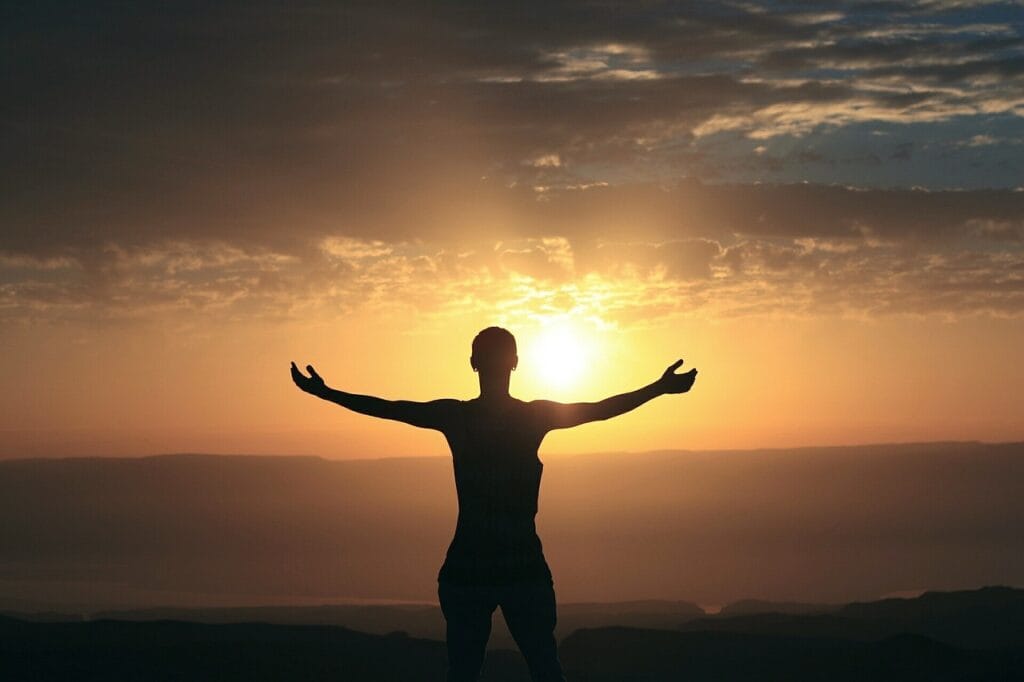
The Healing Power of Solitude in Nature for Introverts
Nature is not only visually beautiful—it is psychologically therapeutic.
Nature as a Mirror for Deep Self-Reflection
Silence forces introspection.
Without constant digital noise or social distractions, introverts often reconnect with their deepest thoughts while surrounded by wilderness.
Nature becomes a mirror for the inner self.
Escaping the Performative World of Extroversion
Modern society often rewards constant visibility:
- networking
- social media presence
- public confidence
- endless communication
For introverts, this can become emotionally exhausting.
Romantic wilderness offers escape from performance culture.
The Chemistry of Calm: Creative Inspiration in the Wild
Many writers, artists, and philosophers found inspiration in solitude because quiet landscapes activate imagination.
The mind becomes clearer when overstimulation disappears.
That is why forests, mountains, and storms often inspire creativity more powerfully than cities.
Overcoming the Challenges of the Romantic Wilderness
Although romantic nature is healing, it also comes with real challenges.
Balancing Safety With the Desire for Isolation
Complete isolation can become dangerous if someone explores wilderness carelessly.
Introverts should balance solitude with preparation:
- carry navigation tools
- inform someone about travel plans
- avoid unsafe areas alone
Peace should never come at the cost of safety.
Dealing With the Overwhelming Vastness of Untamed Nature
Some introverts love wilderness emotionally but feel intimidated physically.
Large mountains, dark forests, or endless coastlines can feel overwhelming at first.
This feeling is normal.
Small Steps for Introverts to Connect With Raw Landscapes Safely
Start gradually:
- short forest walks
- quiet lakeside visits
- solo morning hikes
- nature journaling
Over time, wilderness begins to feel emotionally familiar.
Guide: How Introverts Can Reconnect With Romantic Nature
If you feel emotionally disconnected from modern life, romantic nature may help restore balance.
Step 1: Identify Which Natural Environments Calm You
Different landscapes create different emotional effects.
Ask yourself:
- Do forests calm you?
- Does rain comfort you?
- Do mountains inspire you?
- Does the ocean create peace?
Your emotional response matters.
Step 2: Reduce Artificial Noise
Spend intentional time away from:
- social media
- crowded spaces
- notifications
- excessive conversation
Mental silence helps nature feel deeper.
Step 3: Practice Solitary Nature Rituals
Simple activities create strong emotional grounding:
- journaling outdoors
- reading near water
- quiet hiking
- photography walks
- listening to rain
These rituals strengthen emotional connection with romantic wilderness.
Step 4: Allow Yourself to Feel Emotionally Present
Romantic nature is not about productivity.
It is about presence.
Instead of rushing, simply observe:
- moving clouds
- falling leaves
- distant thunder
- ocean waves
The nervous system slowly relaxes.
Conclusion: Embracing Your Inner Romantic Explorer
The conflict between Classical vs Romantic Nature is ultimately a conflict between control and emotional freedom.
Classical spaces offer order, beauty, and structure. Romantic wilderness offers mystery, solitude, and emotional honesty.
For introverts, the romantic wilderness often feels like home because it removes the pressure of constant performance and replaces it with silence, reflection, and peace.
A forest does not demand extroversion.
A mountain does not judge sensitivity.
Rain does not criticize quietness.
Nature simply allows you to exist.
That is why so many introverts seek untamed landscapes—not to escape life, but to reconnect with themselves.
In a noisy world obsessed with visibility, the wilderness becomes sacred.
And perhaps the greatest lesson of romantic nature is this:
Sometimes the quietest places heal us the most deeply.
FAQs (People Also Ask)
1. Why are introverts more attracted to nature than crowded places?
Introverts often experience sensory overload in busy environments, while nature provides calm, silence, and emotional recovery.
2. What is the main difference between classical and romantic nature?
Classical nature values order and symmetry, while romantic nature celebrates emotional depth, wilderness, and untamed beauty.
3. Can spending time in nature improve mental health for introverts?
Yes. Nature can reduce stress, improve emotional clarity, encourage reflection, and help introverts mentally recharge.
4. Why do rainy and foggy landscapes appeal to introverts?
These environments create emotional calm, reduce stimulation, and encourage introspection, which many introverts naturally enjoy.

“Hi, I am Umer Hasib. I am a passionate blogger and content creator who loves exploring human psychology, social behaviors, and personal growth. Welcome to my inner space!”