
SEO Featured Snippet
Slow fashion vs fast fashion is the difference between buying fewer, higher-quality garments made ethically and purchasing inexpensive, trend-driven clothing produced rapidly. While fast fashion offers affordability and convenience, slow fashion prioritizes durability, fair labor, and environmental sustainability, helping consumers save money over time while reducing waste and pollution.
Introduction
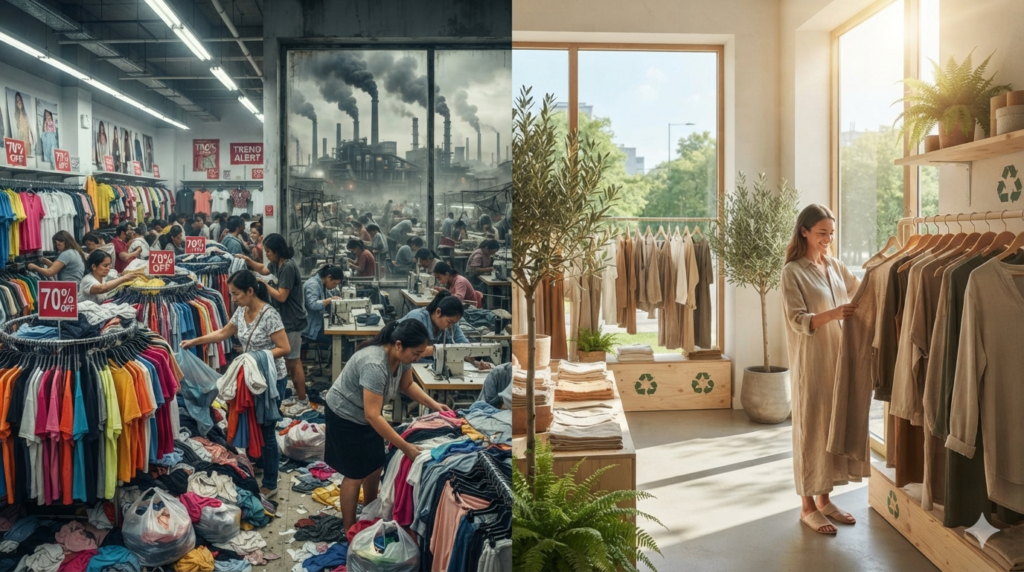
Every time you buy a new shirt, dress, or pair of jeans, you’re making more than a fashion decision—you’re influencing the environment, global labor practices, and even your long-term budget. The debate around slow fashion vs fast fashion has become increasingly important because consumers are beginning to question where their clothes come from, how they’re made, and what happens after they’re discarded.
For years, the fashion industry has encouraged people to buy more and wear less. Social media trends, influencer culture, and weekly clothing launches have created a cycle of constant consumption. While this makes trendy outfits easily accessible, it also contributes to pollution, excessive waste, and unfair working conditions.
On the other hand, the slow fashion movement promotes thoughtful purchasing, timeless style, and clothing designed to last. Instead of chasing every trend, it encourages investing in quality pieces that remain useful for years.
This guide explores both approaches in depth so you can make informed decisions that benefit your wallet, your wardrobe, and the planet.
The Fashion Dilemma: Why Do We Buy What We Buy?
Choosing clothing isn’t always about necessity. Often, emotions, advertising, and social influence shape our buying habits far more than practical needs.
Understanding these psychological triggers helps explain why fast fashion continues to dominate despite growing awareness of its environmental and ethical consequences.
Why do people still buy fast fashion?
Fast fashion has transformed shopping into an experience of instant gratification.
Consumers are constantly exposed to new trends through TikTok, Instagram, YouTube, and online stores. Every week, retailers introduce fresh collections at remarkably low prices, making it difficult to resist the temptation to buy “just one more outfit.”
Several factors explain this behavior:
- Affordable prices reduce hesitation.
- New arrivals create urgency.
- Social media encourages outfit repetition avoidance.
- Discounts trigger impulse purchases.
- Marketing associates new clothing with confidence and success.
For students, young professionals, and budget-conscious families, fast fashion often appears to be the only practical choice. Buying three inexpensive shirts may feel financially smarter than purchasing one premium-quality garment.
However, this short-term saving can become expensive in the long run because cheaper clothes frequently lose shape, fade, or tear after only a few washes.
The fashion industry deliberately capitalizes on the fear of missing out (FOMO). Limited-time sales and rapidly changing collections encourage consumers to buy before thinking carefully about whether they actually need the item.
What are the hidden costs of cheap clothing?
The price displayed on a clothing tag rarely reflects its true cost.
Many low-cost garments are produced in factories where workers receive wages that fall far below a garment worker living wage. Employees often work long hours under difficult conditions simply to meet the demand for rapidly changing fashion trends.
Beyond labor concerns, hidden costs include:
- Unsafe working environments
- Excessive overtime
- Limited employee protections
- Water pollution from textile factories
- High carbon emissions
- Massive clothing waste
While shoppers may celebrate purchasing a $10 shirt, someone else often pays the difference through unsafe labor conditions or environmental damage.
Ethical fashion brands aim to solve this issue by ensuring workers receive fair compensation and safer working environments. Although this increases production costs, it also creates a more responsible and transparent fashion system.
When consumers understand these hidden costs, they begin to realize that clothing is more than just a product—it’s the result of a global supply chain involving millions of workers and significant environmental resources.
The Environmental Crisis: Is Fast Fashion Really That Bad for the Environment?
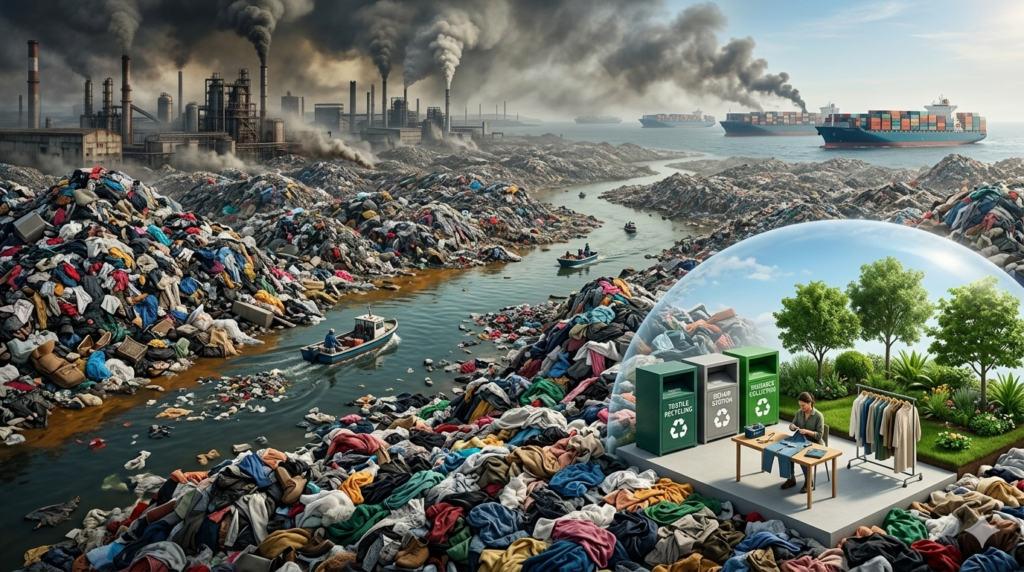
Environmental experts increasingly identify the fashion industry as one of the world’s largest contributors to pollution.
From growing raw materials to manufacturing fabrics, transporting finished garments worldwide, and disposing of unwanted clothing, every stage of production affects the environment.
The comparison between slow fashion vs fast fashion becomes especially important when examining the industry’s ecological footprint.
How does fast fashion affect climate change?
Fast fashion relies on producing enormous quantities of clothing as quickly and cheaply as possible.
Factories consume vast amounts of electricity, fossil fuels, chemicals, and water throughout the manufacturing process. Once garments are produced, they’re transported across continents using ships, trucks, and airplanes, adding significantly to greenhouse gas emissions.
One of the biggest environmental concerns is the growing carbon footprint of textiles.
Every stage contributes to emissions:
- Fiber production
- Fabric manufacturing
- Dyeing and finishing
- Packaging
- International transportation
- Retail distribution
Because trends change so quickly, many garments are worn only briefly before being replaced. This creates an endless production cycle that increases energy consumption year after year.
Slow fashion, by contrast, reduces emissions by encouraging consumers to purchase fewer items that remain wearable for much longer.
Instead of replacing an entire wardrobe every season, people invest in durable clothing that stays fashionable beyond temporary trends.
The Truth Behind Textile Waste Landfill Statistics
One of the most alarming realities of slow fashion vs fast fashion is what happens after clothes leave our wardrobes.
Millions of garments are discarded every year, and a significant portion ends up in landfills or is burned. This growing mountain of textile waste releases greenhouse gases, contaminates soil, and wastes valuable resources such as water, energy, and raw materials.
The phrase textile waste landfill statistics has become increasingly common because researchers continue to highlight the scale of this problem. Many reports estimate that people wear fast fashion garments only 7–10 times before throwing them away, while some ultra-fast fashion items are worn even fewer times.
Several factors contribute to this waste:
- Rapidly changing fashion trends
- Poor clothing quality
- Impulse buying
- Low repair rates
- Cheap replacement costs
- Limited textile recycling infrastructure
When clothing is made from blended synthetic fabrics, recycling becomes even more difficult. As a result, countless garments remain in landfills for decades.
Slow fashion tackles this issue by promoting garments designed for repeated use, repair, resale, and recycling. Instead of treating clothing as disposable, it encourages consumers to view each purchase as a long-term investment.
Material Matters: What Is Your Clothing Actually Made Of?
Fabric choice plays a major role in determining a garment’s environmental impact, comfort, durability, and lifespan.
Many shoppers focus only on style and price, overlooking the material listed on the clothing label. However, understanding different fabrics can help you make smarter purchasing decisions.
Synthetic Fibers vs Natural Fibers
One of the biggest differences in the slow fashion vs fast fashion debate lies in the materials used to produce clothing.
Synthetic Fibers
Synthetic materials include:
- Polyester
- Nylon
- Acrylic
- Spandex
These fabrics are petroleum-based, inexpensive to manufacture, wrinkle-resistant, and highly durable. Because of their low production cost, they dominate fast fashion collections.
However, synthetic fabrics have significant environmental drawbacks.
Every time polyester clothing is washed, tiny plastic particles known as microplastics are released into waterways. These particles eventually reach rivers, lakes, and oceans, where they can harm marine life and enter the food chain.
Additional concerns include:
- Dependence on fossil fuels
- High carbon emissions during production
- Difficulty recycling blended fabrics
- Long decomposition times
Natural Fibers
Natural fibers include:
- Cotton
- Linen
- Wool
- Hemp
These materials generally offer greater breathability, comfort, and biodegradability than synthetic alternatives.
However, not all natural fibers are automatically sustainable. Conventional cotton farming can require significant amounts of water and pesticides.
This is why many ethical brands prefer:
- Organic cotton
- Organic linen
- Hemp
- Responsibly sourced wool
These options reduce environmental impact while maintaining excellent durability and comfort.
Choosing higher-quality natural fibers often means your clothing lasts longer, reducing the need for frequent replacements.
What materials should I avoid when buying clothes?
Consumers don’t need to eliminate every synthetic garment from their wardrobes, but understanding which materials have the greatest environmental impact can help guide better decisions.
Materials worth limiting include:
- Virgin polyester
- Acrylic
- Conventional nylon
- PVC-based fabrics
These textiles often rely heavily on fossil fuels and contribute to plastic pollution.
It’s also important to pay attention to the finishing process rather than just the fabric itself.
Many inexpensive garments are treated with toxic chemical dyes and harsh finishing agents that can contaminate waterways if wastewater isn’t properly managed.
Instead, consider looking for sustainable apparel materials, including:
- Tencel™ (Lyocell)
- Organic linen
- Organic cotton
- Hemp
- Recycled cotton
- Recycled wool
- Recycled polyester (when responsibly sourced)
These fabrics generally require fewer resources, produce less pollution, and support more responsible manufacturing practices.
Reading clothing labels before making a purchase is one of the simplest ways to shop more sustainably.
Slow Fashion Explained: Is It Worth the Higher Price Tag?
A common misconception is that slow fashion is only for wealthy consumers.
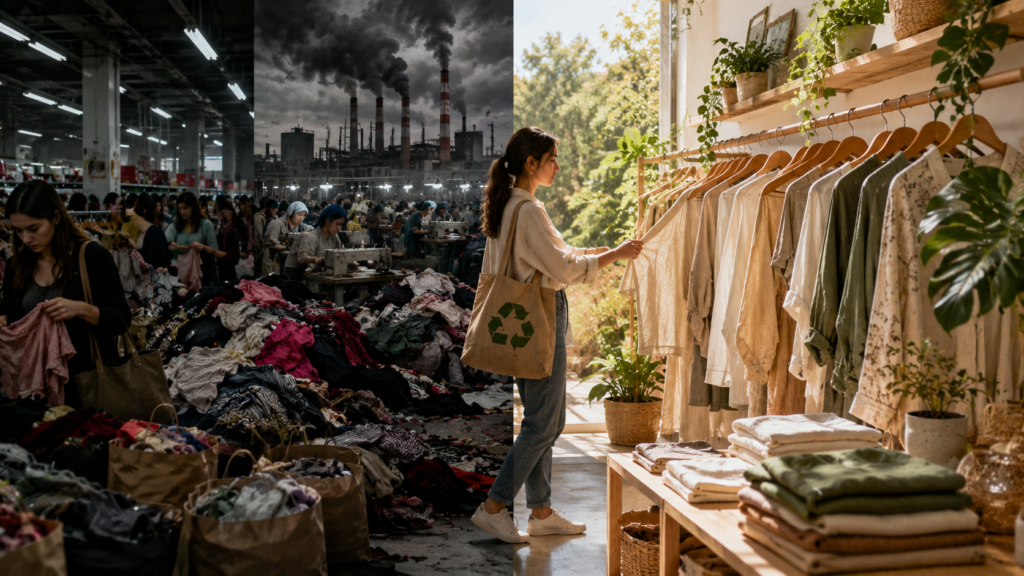
While ethical clothing often costs more upfront, the overall value becomes much clearer when considering durability, quality, and long-term savings.
Rather than encouraging constant shopping, slow fashion emphasizes thoughtful purchasing, timeless design, and garments that remain useful for years.
Why is slow fashion so expensive?
The higher price of slow fashion reflects the true cost of producing clothing responsibly.
Unlike fast fashion companies that minimize costs through mass production, ethical brands invest in every stage of manufacturing.
A responsible ethical clothing supply chain typically includes:
- Fair wages
- Safe workplaces
- Smaller production batches
- Higher-quality fabrics
- Better craftsmanship
- Transparent sourcing
Many companies also support fair trade textile production, ensuring workers receive fair compensation and improved working conditions.
Additional costs may include:
- Sustainable farming
- Eco-friendly dyeing processes
- Renewable energy usage
- Responsible packaging
- Independent certifications
Instead of paying for constant marketing campaigns and endless trend cycles, consumers pay for quality, transparency, and ethical production.
Viewed this way, slow fashion becomes an investment rather than an expense.
How long do slow fashion clothes last?
One of the strongest arguments supporting slow fashion is superior clothing durability and longevity.
High-quality garments are typically designed with:
- Strong stitching
- Premium fabrics
- Better tailoring
- Reinforced seams
- Timeless designs
Many slow fashion pieces remain in excellent condition for five to ten years—or even longer—with proper care.
This leads to the concept of cost per wear.
Consider this example:
| Garment | Purchase Price | Times Worn | Cost Per Wear |
|---|---|---|---|
| Fast Fashion T-Shirt | $15 | 10 | $1.50 |
| Slow Fashion T-Shirt | $75 | 150 | $0.50 |
Although the slow fashion shirt costs more initially, each wear becomes significantly cheaper over time.
Consumers also spend less replacing worn-out clothing, making slow fashion surprisingly economical over the long term.
What is the difference between slow fashion and sustainable fashion?
These terms are often used interchangeably, but they are not identical.
Slow fashion is a broader philosophy that encourages mindful consumption, quality craftsmanship, timeless style, and ethical production. It asks consumers to buy less, choose better, and keep garments in use for as long as possible.
Sustainable fashion, on the other hand, focuses primarily on reducing the environmental impact of fast fashion. This includes lowering carbon emissions, conserving water, minimizing waste, and selecting eco-friendly materials.
In practice, many brands combine both approaches. A company may use sustainable fabrics while also producing smaller collections, ensuring fair wages, and designing clothes built to last.
The strongest fashion brands embrace both principles—protecting the planet while respecting the people who make our clothes.
The Industry Future: Can Fast Fashion Ever Be Truly Sustainable?
As consumers become more environmentally conscious, many fashion companies are promising greener collections and ethical practices. But an important question remains: Can fast fashion ever truly become sustainable?
The answer is complicated.
Fast fashion depends on producing enormous quantities of clothing at extremely low prices and encouraging consumers to buy frequently. Even if brands introduce recycled fabrics or reduce packaging waste, the core business model still promotes overconsumption.
To create meaningful change, the industry must improve transparency, reduce production volumes, adopt cleaner manufacturing processes, and ensure workers throughout the supply chain are treated fairly.
Greenwashing in Fashion Marketing
One of the biggest challenges facing today’s shoppers is greenwashing in fashion marketing.
Greenwashing occurs when companies exaggerate or falsely advertise their environmental efforts to attract eco-conscious customers without making substantial changes to their production practices.
Common signs of greenwashing include:
- Vague claims like “eco-friendly” or “green collection” without evidence.
- Limited sustainable product lines while the majority of products remain fast fashion.
- Lack of information about factories or suppliers.
- No independent sustainability certifications.
- Heavy marketing but little transparency.
Before purchasing, look for detailed information about materials, factory conditions, and sustainability reports rather than relying solely on advertising slogans.
Moving Toward a Circular Fashion Economy Model
A promising solution is the circular fashion economy model, which replaces the traditional “take–make–dispose” system with a more sustainable cycle of design, use, repair, reuse, and recycle.
Instead of treating clothing as disposable, circular fashion keeps garments in use for as long as possible through:
- Clothing repair
- Second-hand resale
- Rental services
- Recycling old textiles
- Upcycling worn garments
When evaluating brands, look for recognized sustainable textile certification programs such as:
- GOTS (Global Organic Textile Standard)
- OEKO-TEX® Standard 100
- Fair Trade Certified™
- Bluesign®
Equally important is slow fashion brand transparency. Ethical companies openly share information about their suppliers, manufacturing processes, labor standards, and environmental goals, allowing consumers to make informed purchasing decisions.
The Ultimate Comparison: Slow Fashion vs Fast Fashion
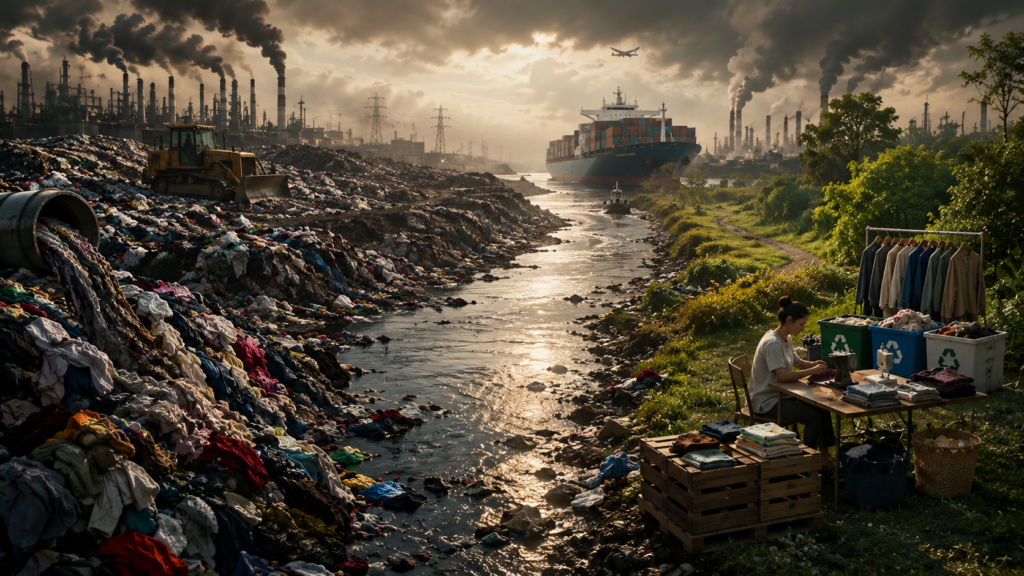
The table below summarizes the key differences between the two approaches.
| Feature / Metric | Fast Fashion Industry | Slow Fashion Movement |
|---|---|---|
| Production Speed | Thousands of styles launched weekly | Small batches with timeless seasonal collections |
| Primary Materials | Cheap synthetic fibers like polyester | Sustainable apparel materials such as organic cotton, linen, hemp, and Tencel™ |
| Supply Chain | Low transparency and exploitative labor practices | Ethical clothing supply chain with fair trade textile production |
| Garment Longevity | Lower quality with frequent replacement | High clothing durability and longevity |
| Environmental Impact | High carbon emissions and textile waste | Reduced waste and lower environmental footprint |
| Consumer Mindset | Trend-driven and impulse buying | Mindful consumption and intentional purchasing |
| Cost Over Time | Low upfront cost but frequent replacement | Higher initial investment with lower cost per wear |
| Future Vision | Linear production model | Circular fashion economy model |
Key Takeaway: In the slow fashion vs fast fashion debate, fast fashion offers convenience and affordability in the short term, while slow fashion provides better quality, ethical production, and long-term value for both consumers and the environment.
Actionable Guide: How to Transition From Fast Fashion to Slow Fashion
Switching to slow fashion doesn’t require replacing your entire wardrobe overnight. Small, intentional changes can make a meaningful difference over time.
How to build a slow fashion wardrobe on a budget
Many people assume sustainable clothing is unaffordable, but there are practical ways to embrace slow fashion without overspending.
Try these budget-friendly strategies:
- Create a capsule wardrobe with versatile basics that mix and match easily.
- Buy fewer, higher-quality pieces instead of several low-cost items.
- Shop second-hand at thrift stores or online resale platforms.
- Organize clothing swaps with friends or family.
- Repair garments instead of replacing them at the first sign of wear.
- Wait before purchasing to avoid impulse buying.
- Choose timeless styles that remain fashionable for years.
These habits reduce unnecessary spending while building a wardrobe that lasts longer.
Where to find affordable slow fashion brands
Finding ethical clothing has become easier as more companies embrace transparency and responsible production.
When evaluating brands, look for those that:
- Publish supplier information.
- Use sustainable apparel materials.
- Offer repair or recycling programs.
- Hold recognized sustainability certifications.
- Prioritize fair wages and safe working conditions.
- Reduce packaging waste.
- Produce limited collections instead of constant trend cycles.
You can also explore:
- Local artisan brands
- Certified ethical fashion retailers
- Second-hand marketplaces
- Vintage stores
- Rental clothing services
Affordable slow fashion isn’t about buying expensive labels—it’s about purchasing thoughtfully and choosing quality over quantity.
Conclusion: Making the Shift Toward a Mindful Wardrobe
The conversation around slow fashion vs fast fashion is about far more than clothing. It reflects the choices we make as consumers and the impact those choices have on workers, communities, and the environment.
Fast fashion has made trendy clothing more accessible, but its hidden costs include excessive waste, pollution, and unfair labor practices. Slow fashion offers a more responsible alternative by emphasizing durability, ethical production, and mindful consumption.
You don’t need a perfect sustainable wardrobe to make a difference. Every thoughtful purchase, repaired garment, second-hand find, or decision to buy less contributes to a healthier fashion industry and a smaller environmental footprint.
Ultimately, the goal isn’t perfection—it’s progress. By choosing quality over quantity, supporting transparent brands, and extending the life of your clothing, you can enjoy a stylish wardrobe while helping create a more sustainable future.
Start small today. Your next clothing purchase has the power to support people, protect the planet, and save money in the long run.
Final Thoughts
Choosing between slow fashion vs fast fashion isn’t about abandoning style—it’s about making smarter, more informed decisions. Every purchase sends a message about the kind of fashion industry you want to support. By investing in durable clothing, embracing mindful consumption, and prioritizing ethical brands, you can build a wardrobe that benefits your budget, respects garment workers, and helps protect the planet for future generations.
Frequently Asked Questions (FAQs)
No. Slow fashion focuses on quality, durability, and ethical production rather than luxury pricing. Many affordable brands, second-hand stores, and local businesses offer sustainable options that fit different budgets.
Look for supply chain transparency, third-party certifications (such as GOTS or OEKO-TEX®), fair labor policies, sustainability reports, and clear information about sourcing and manufacturing practices.
Yes. Washing garments in cold water, air-drying when possible, using gentle detergents, and avoiding unnecessary washing can extend clothing lifespan while reducing energy use and microfiber pollution.
Absolutely. You can incorporate trends thoughtfully by buying versatile, high-quality pieces, shopping second-hand, renting special-occasion outfits, or styling existing clothes in new ways instead of purchasing disposable fashion.

“Hi, I am Umer Hasib. I am a passionate blogger and content creator who loves exploring human psychology, social behaviors, and personal growth. Welcome to my inner space!”
“This guide perfectly addresses the internal conflict I face every month! I really want to support the circular fashion economy, but my budget always drags me back to fast fashion retailers. Seeing the cost-per-wear breakdown and the tips on building a capsule wardrobe on a budget was a huge relief. I’ve bookmarked the Eco-Stylist directory you linked—thank you for making sustainable living feel accessible rather than elitist!”
“Thank you so much for sharing your thoughts! You have highlighted the exact dilemma that millions of conscious consumers face every single day. Sustainable living should never feel like an elite club—it is all about making mindful, intentional shifts within our personal means. Transitioning to a circular fashion mindset isn’t about buying 100% expensive organic clothing overnight; it’s about making the clothes we already own last longer and choosing secondhand or budget-friendly ethical alternatives when we do buy. We are so glad the cost-per-wear breakdown and the Eco-Stylist resource helped ease that financial anxiety. Keep taking those small, impactful steps!”
“The section explaining greenwashing in fashion marketing is a must-read for everyone. It’s so frustrating to see massive corporate brands releasing ‘eco-friendly’ collections while completely hiding their supply chain transparency and refusing to pay a garment worker living wage. Checking out the Ellen MacArthur Foundation report you mentioned opened my eyes to how far we still need to go. Great deep dive!”
“Thank you for pointing that out! You hit the nail on the head—corporate greenwashing is one of the biggest hurdles in the fashion industry today. Launching a single ‘conscious’ collection means very little when the core business model relies on mass overproduction, hidden supply chains, and low wages. True sustainability cannot exist without absolute transparency and ethical treatment of garment workers. That Ellen MacArthur Foundation report is indeed a massive eye-opener regarding how much structural change is required globally. We genuinely appreciate you diving deep into the article and joining this crucial conversation!”