
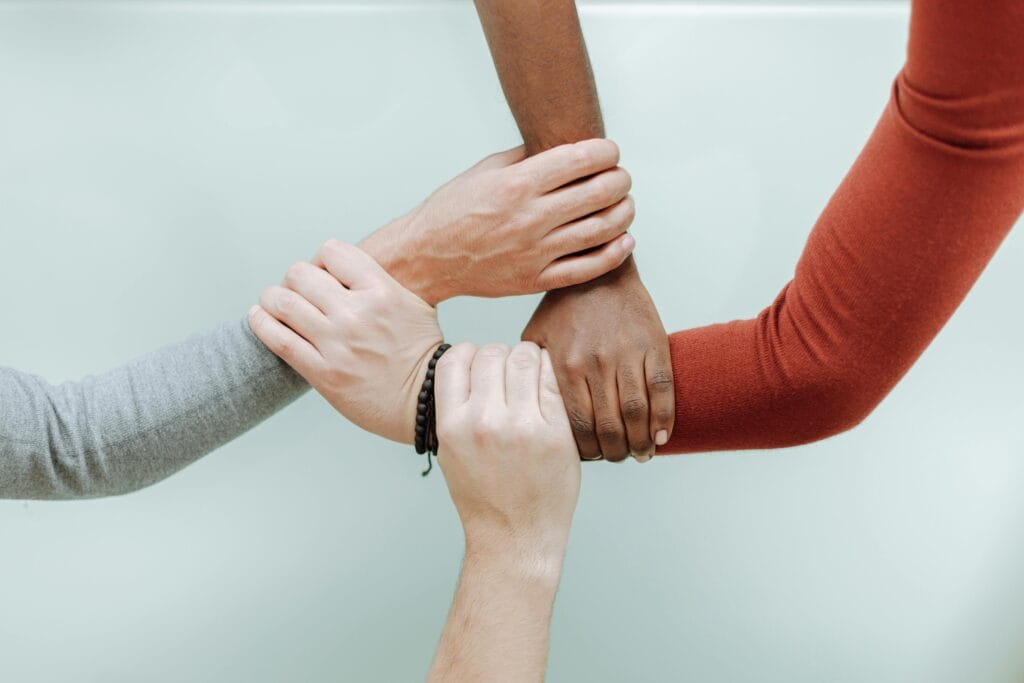
The evolutionary origins of human altruism and cooperation suggest that kindness, empathy, and group survival instincts developed through natural selection. Humans evolved to balance self-preservation with cooperation, where helping others increased survival chances. Both biology and psychology shape moral behavior, influenced further by society and social conditioning.
Introduction
The evolutionary origins of human altruism and cooperation trace back to early human survival needs. In prehistoric environments, humans who cooperated in groups were more likely to hunt successfully, protect against predators, and raise offspring.
From an evolutionary perspective, altruism was not purely “selfless.” Instead, it increased survival probability for both individuals and their kin. This concept is closely linked to inclusive fitness—helping relatives ensured shared genes survived.
Why cooperation became a survival advantage
- Increased food sharing and resource stability
- Protection from external threats
- Stronger social bonds and group cohesion
Over time, cooperation became biologically reinforced behavior in human societies.
The Biological Basis of Self-Preservation vs Empathy (Brain, Instinct & Emotion)
Human behavior is shaped by a constant tension between self-preservation and empathy. The brain plays a central role in this balance.
Self-preservation is driven by survival instincts located in ancient brain structures, while empathy is linked to advanced neural systems responsible for emotional understanding.
Key biological systems involved
- Amygdala: triggers fear and survival responses
- Prefrontal cortex: regulates moral reasoning and decisions
- Mirror neurons: enable emotional empathy and understanding
This biological structure explains why humans can act selfishly in danger but also show deep compassion in safe environments.
Psychological Theories on Innate Human Goodness (Are Humans Naturally Good?)
Psychological theories debate whether humans are born good or shaped by experience. Some theories suggest innate morality, while others argue behavior is learned.
The idea of innate human goodness is supported by research showing infants display empathy before strong social conditioning occurs.
Major psychological perspectives
- Humanistic psychology: humans naturally seek growth and goodness
- Cognitive development theory: morality develops in stages
- Social psychology: behavior is influenced by environment and norms
These theories suggest that kindness may be an inborn tendency, but it requires development.
The Role of Evolutionary Biology in Shaping Human Moral Behavior (Survival Ethics)
Evolutionary biology explains moral behavior as a survival tool rather than a purely ethical concept. Traits like fairness, reciprocity, and cooperation increased group survival rates.
The role of evolutionary biology in shaping human moral behavior highlights that morality is not fixed—it is adaptive.
Evolutionary drivers of morality
- Reciprocal altruism (helping others expecting future return)
- Kin selection (favoring family members)
- Group selection (cooperative groups outperform individuals)
This shows morality is deeply rooted in survival mechanisms.
Impact of Societal Structures on Individual Moral Behavior (Culture & Systems)
Society plays a powerful role in shaping how morality is expressed. Laws, education, religion, and economic systems influence behavior significantly.
The impact of societal structures on individual moral behavior can either strengthen cooperation or encourage competition.
Examples of social influence
- Strong legal systems reduce selfish behavior
- Education promotes empathy and ethical reasoning
- Competitive economies may increase individualism
This shows morality is not only biological but also socially constructed.
Impact of Social Conditioning on Natural Human Kindness and Selfishness (Learning Morality)
Humans are heavily influenced by social conditioning from childhood. Family, culture, and media shape how kindness or selfishness is expressed.
The impact of social conditioning on natural human kindness and selfishness determines whether innate empathy is strengthened or suppressed.
How conditioning shapes moral behavior
- Parenting style affects emotional intelligence
- Cultural values define “right” and “wrong”
- Peer influence reinforces group behavior
This explains why moral behavior differs widely across societies.
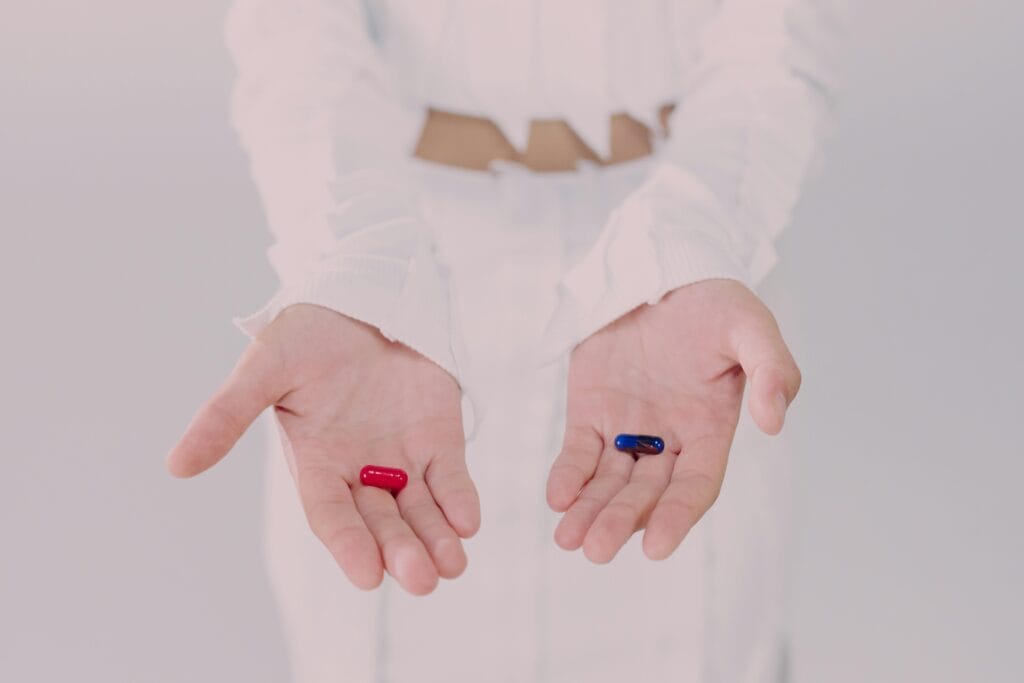
The Battle Between Ego and Altruism in Human Decision Making (Inner Conflict of Choice)
One of the most fascinating aspects of human psychology is the constant conflict between ego and altruism.
The battle between ego and altruism in human decision making occurs when individuals must choose between personal benefit and helping others.
When ego dominates
- Stressful or competitive environments
- Scarcity of resources
- Fear-based decision making
When altruism dominates
- Strong emotional connection
- Sense of responsibility
- Social trust and cooperation
This internal struggle defines much of human moral complexity.
Guide to Understanding Human Morality in Daily Life (Applying Science to Behavior)
Understanding the evolutionary origins of human altruism and cooperation helps explain real-world behavior in relationships, workplaces, and societies.
Rather than seeing morality as fixed, it should be viewed as flexible and shaped by biology and environment.
Practical applications
- Improve empathy in communication
- Reduce conflict by understanding survival instincts
- Build cooperative environments in workplaces
- Strengthen ethical decision-making through awareness
By recognizing both biological instincts and social influence, individuals can make more balanced moral choices.
Conclusion
Human morality is not a single force but a combination of evolutionary biology, psychology, and social influence. The evolutionary origins of human altruism and cooperation show that kindness and survival are deeply connected, not opposing forces.
At the same time, self-preservation ensures survival, while empathy ensures connection. Society then shapes how these instincts are expressed. The result is a complex moral system where ego and altruism continuously interact, shaping human behavior in every aspect of life.
Ultimately, human nature is not a battle where one side must win. Instead, it is a continuous balance between ego and empathy, survival and cooperation, individuality and community. This balance is what allows humans to thrive in both competitive and social worlds. Understanding this dual nature helps us see that morality is not absolute—it evolves with time, experience, and context.
What makes human behavior truly fascinating is that these two systems are constantly interacting. In one moment, a person may act selfishly to protect their interests, and in another, they may sacrifice personal gain to help someone else. This shift depends on environment, upbringing, cultural values, emotional state, and social pressure.
The conflict happens because humans have two driving forces: one focused on self-preservation (ego) and the other focused on understanding and helping others (empathy).
In the end, what makes humans unique is not that we are purely good or selfish, but that we are capable of both—and we constantly choose between them.
FAQ Section
1. Is human altruism natural or learned?
Human altruism is both natural and learned. Evolution provides the biological foundation, while society and upbringing shape how it is expressed in behavior.
2. Why do humans sometimes act selfishly despite empathy?
Selfish behavior is linked to survival instincts and stress responses in the brain, especially when resources are limited or threats are perceived.
3. Can social environments change moral behavior permanently?
Yes, long-term exposure to strong social norms, education, and cultural values can significantly reshape moral decision-making and emotional responses.
4. Are humans naturally selfish or kind?
Humans are neither fully selfish nor fully kind. Human behavior is a balance between ego (self-interest) and empathy (caring for others), depending on the situation.
5. Why is altruism important in human evolution?
Altruism helped early humans survive by improving cooperation, building trust, and strengthening social groups, which increased chances of survival.
6. What causes conflict between ego and empathy?
The conflict happens because humans have two driving forces: one focused on self-preservation (ego) and the other focused on understanding and helping others (empathy).

“Hi, I am Umer Hasib. I am a passionate blogger and content creator who loves exploring human psychology, social behaviors, and personal growth. Welcome to my inner space!”