
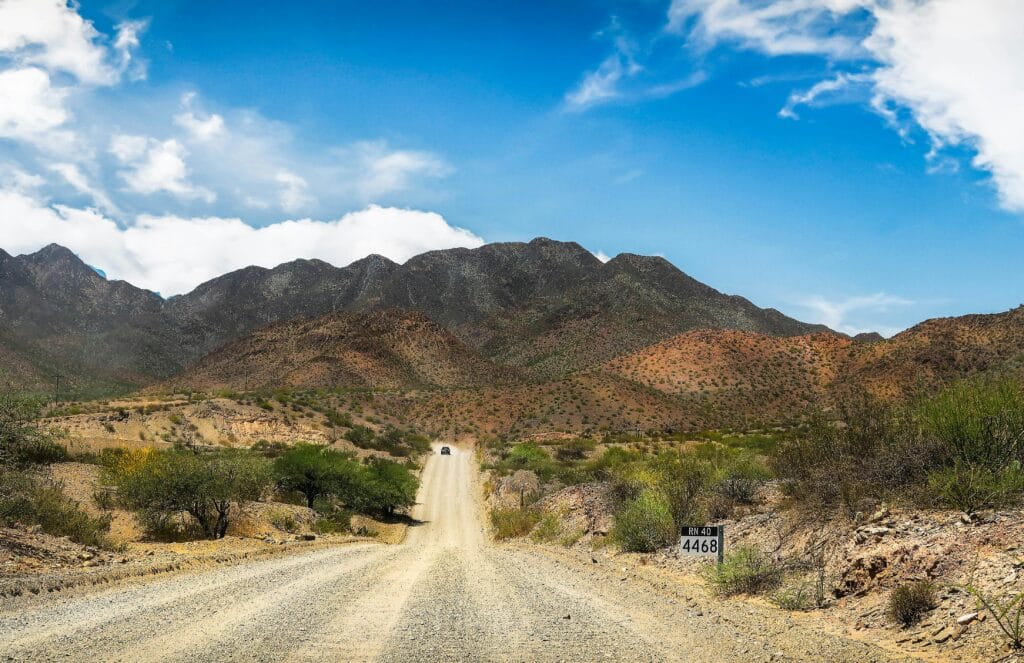
Off the beaten path travel experiences feel unforgettable because they offer untouched nature, fewer crowds, and real adventure beyond tourist routines. Exploring remote landscapes improves mental clarity, builds confidence, and creates deeper cultural connection. With the right off-road preparation, survival gear, and planning, even beginners can safely enjoy wilderness travel in 2026.
Introduction
Most people travel to escape stress, but many return home feeling exhausted. Crowded tourist spots, expensive attractions, and rushed itineraries often turn travel into another form of pressure. That’s why more travelers are shifting toward off the beaten path travel experiences—places where the paved road ends, the crowds disappear, and nature becomes the main attraction.
Remote travel is not just about adventure. It’s about rediscovering your instincts, reconnecting with silence, and finding the version of yourself that city life hides.
But wilderness travel also demands preparation. A beginner off-road adventure can become dangerous if you don’t plan properly. That’s why this guide will walk you through why remote travel is worth it, how to prepare for off-road trips, what survival gear you need, and the best destinations where the road ends and hiking trails begin.
Why the Best Travel Experiences Happen Off the Beaten Path
Off the beaten path travel is more than just visiting “hidden places.” It’s a mindset. It means choosing adventure over comfort, silence over noise, and discovery over routine.
The best travel memories usually come from moments that weren’t planned—finding a quiet lake, meeting locals in a remote village, or hiking a trail that doesn’t appear in travel brochures.
Less Crowds, More Freedom
Popular tourist destinations can feel like theme parks. Remote travel gives you space to breathe, explore, and enjoy nature without distractions.
Authentic Nature and Real Adventure
Untouched landscapes feel raw and powerful. When you travel beyond paved roads, nature becomes unpredictable—and that’s what makes it unforgettable.
You Build Stories, Not Just Photos
Anyone can take a picture at a famous landmark. But surviving a mountain hike, camping in remote valleys, or crossing rugged roads creates stories you’ll remember forever.
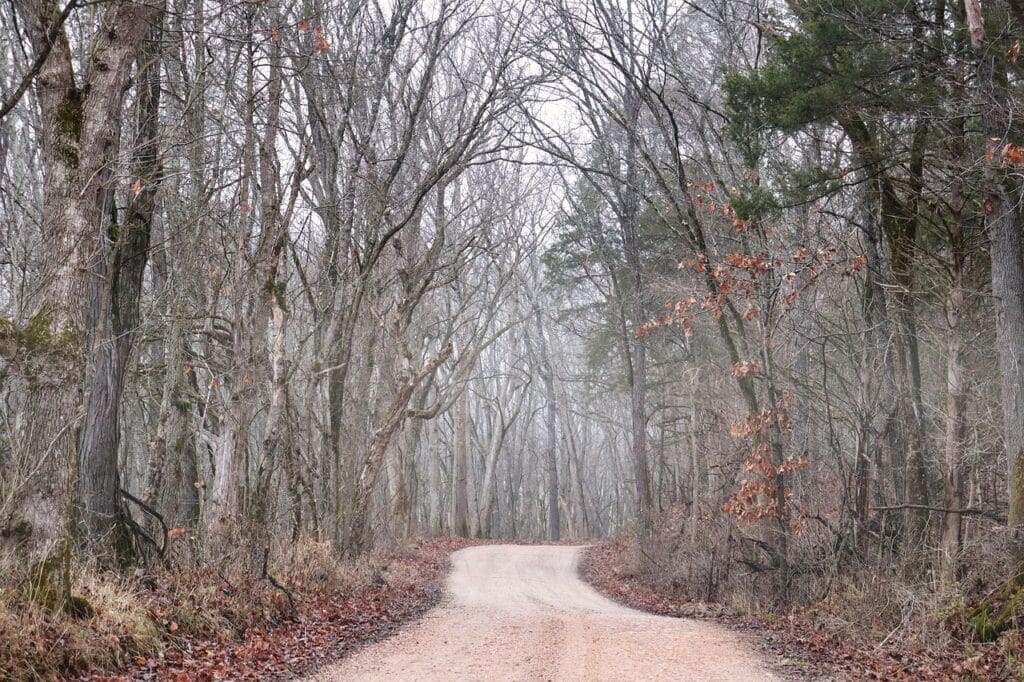
The Spiritual and Mental Benefits of Exploring Untouched Nature
Nature is not just beautiful—it heals the mind. Many people don’t realize how deeply city life affects mental health. Constant noise, screens, and stress disconnect us from our natural rhythm.
That’s why wilderness travel feels so refreshing.
Mental Clarity and Stress Relief
When you step into untouched nature, your mind slows down. You stop overthinking. Your nervous system relaxes.
Forests, mountains, rivers, and deserts have a grounding effect because they force you to live in the present moment.
Spiritual Connection With the Unknown
Remote wilderness makes you feel small—in a good way. It reminds you that life is bigger than your daily worries.
Many travelers report feeling spiritually recharged after long hikes or solo camping trips.
Confidence Through Survival Mindset
Even small challenges—finding your route, setting up camp, or managing limited supplies—build confidence.
You start trusting yourself again.
How to Prepare for an Off-Road Adventure Trip for Beginners
Beginner off-road adventure travel can be exciting, but preparation is everything. Many first-time travelers underestimate the risks of remote travel.
Here’s how to plan smart.
Choose a Beginner-Friendly Off-Road Route
Don’t start with extreme mountain trails. Choose routes with:
- nearby towns within 1–2 hours
- stable weather conditions
- moderate road difficulty
- known hiking paths
Start small, then upgrade your adventure level.
Research Weather and Terrain Before You Leave
Remote travel becomes dangerous when weather changes unexpectedly.
Before leaving, check:
- rain forecasts
- snowfall risk
- landslide warnings
- temperature drops at night
Also study terrain maps and trail reviews.
Tell Someone Your Travel Plan
One of the most important survival rules is communication.
Share your itinerary with a friend or family member:
- destination
- route
- expected return date
- emergency contacts
If something goes wrong, someone should know where to look.
Must-Have Gear for Survival When the Paved Road Ends
Survival gear is not optional when you travel off-grid. Even experienced hikers get stranded sometimes.
Your safety depends on preparation.
Essential Navigation and Communication Tools
Carry:
- offline maps (Google offline / AllTrails offline)
- compass
- GPS tracker (if possible)
- power bank
- emergency whistle
If there’s no signal, offline navigation is your best friend.
Clothing and Shelter Gear for Wilderness Travel
Nature changes fast, so pack:
- waterproof jacket
- thermal layer clothing
- hiking boots with grip
- extra socks
- lightweight tent or bivy bag
Cold nights are common even in warm areas.
Food, Water, and Emergency Survival Kit
Bring:
- water purification tablets or filter
- high-calorie snacks (nuts, energy bars)
- dry food packs
- first-aid kit
- fire starter
- flashlight/headlamp
A small survival kit can literally save your life.
Finding Yourself Through the Challenges of Remote Wilderness Travel
Remote travel teaches you something that city life rarely teaches: patience and self-reliance.
When you’re far from comfort zones, you start seeing your true personality.
How Challenges Build Inner Strength
When you hike long distances, face fear, or deal with uncertainty, your brain adapts.
You realize:
- you can handle discomfort
- you can solve problems alone
- you don’t need constant entertainment
This is why adventure travel feels transformational.
Solitude Helps You Hear Your Own Thoughts
Off the beaten path travel removes distractions. No crowds. No noise. No pressure.
In silence, you reconnect with your inner voice.
Many people discover their life direction during solo hikes or remote road trips.
Nature Forces You to Be Present
In remote wilderness, you can’t live on autopilot.
You pay attention to:
- your steps
- your breath
- your surroundings
- your instincts
This is mindfulness in its purest form.
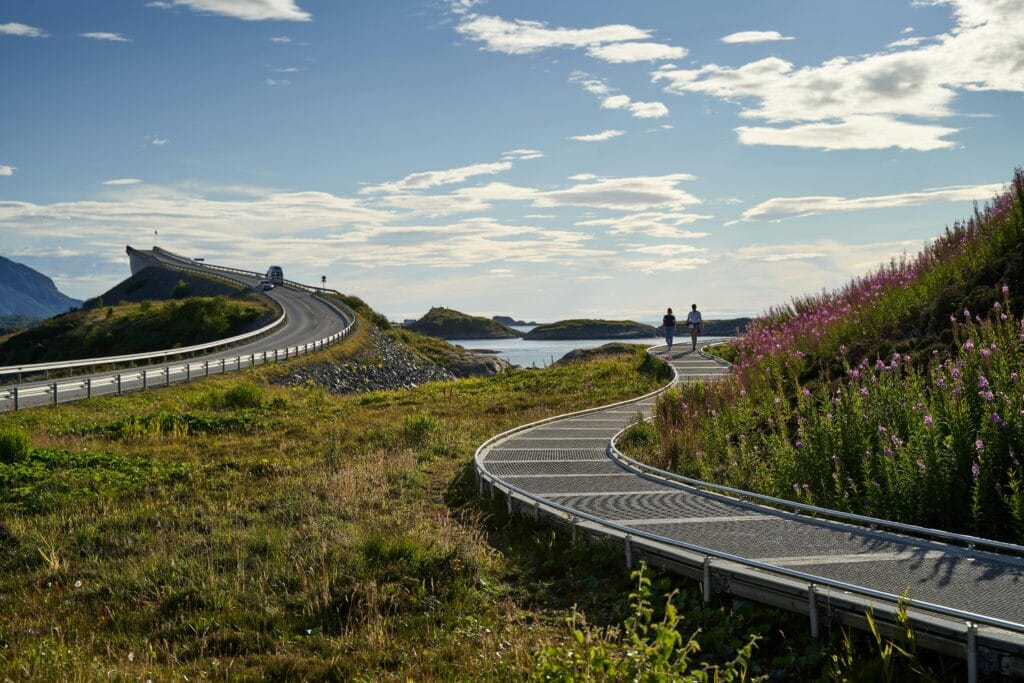
Top Destinations Where the Road Ends and Hiking Trails Begin
If you want true off the beaten path travel experiences, choose destinations that offer rugged roads, hiking trails, and hidden nature.
Here are top adventure-style destinations:
Mountain Wilderness Destinations
These places are perfect for hikers:
- Northern Pakistan (Hunza, Fairy Meadows, Skardu)
- Nepal trekking regions
- Swiss Alps remote trails
- Canadian Rockies
Desert and Canyon Adventure Locations
Desert adventures feel spiritual and intense:
- Arizona deserts (USA)
- Wadi Rum (Jordan)
- Sahara desert routes
- Oman mountain deserts
Forest and Coastal Remote Trails
For peaceful nature exploration:
- Norway fjords hiking routes
- Indonesia jungle trekking
- New Zealand wilderness trails
- Scotland highlands
These destinations offer real adventure without crowded tourism culture.
Embracing Uncertainty: Why Stepping Into the Unknown Is the Ultimate Adventure
The real beauty of remote travel is uncertainty. In normal life, everything is predictable. But adventure begins when control ends.
When you step into the unknown, you discover how strong you are.
Why Uncertainty Creates Stronger Memories
Your brain remembers emotional intensity. That’s why boring vacations fade quickly, but unpredictable adventures stay forever.
The Mindset Shift That Changes Everything
Off-road travel teaches you:
- to trust your instincts
- to stay calm under pressure
- to adapt instead of panic
This mindset makes you stronger in everyday life too.
Adventure Travel Helps You Redefine Yourself
When you overcome fear in nature, you return home different. You become more confident, more disciplined, and more grateful.
You stop needing comfort to feel safe.
Complete Off the Beaten Path Travel Guide (Safety + Planning Checklist)
Now let’s bring everything together into a clear guide.
Off-Road Adventure Planning Checklist
Before leaving, confirm:
- fuel tank full + spare fuel if needed
- vehicle inspection (tires, brakes, engine)
- offline maps downloaded
- weather forecast checked
- emergency contact informed
Hiking Trail Safety Rules
Follow these rules:
- start early morning
- never hike without water
- don’t ignore trail signs
- avoid risky shortcuts
- return before dark
Budget Tips for Remote Travel
Remote travel is often cheaper than tourist trips.
Save money by:
- camping instead of hotels
- cooking your own food
- traveling in small groups
- choosing local transport options
Conclusion
Off the beaten path travel experiences are powerful because they bring you back to real life. Not the busy life of screens and noise, but the raw life of mountains, forests, deserts, and silence. When the paved road ends, your mind opens.
You learn survival skills, build confidence, and reconnect with nature in a way that changes you deeply. Remote travel also teaches patience, humility, and gratitude. It reminds you that comfort is not the goal—growth is.
If you prepare properly, pack the right gear, and respect the wilderness, off-road adventure travel becomes one of the most rewarding experiences you can ever have.
Because the best journeys don’t happen where everyone goes.
They happen where the road ends.
FAQs
1. Is off the beaten path travel safe for solo travelers?
Yes, but solo travelers must plan carefully, share their itinerary, carry navigation tools, and avoid risky routes.
2. What is the best vehicle for off-road adventure travel?
A 4×4 SUV with strong tires, high ground clearance, and emergency tools is ideal for off-road trips.
3. How much money should I budget for a remote adventure trip?
It depends on location, but remote travel is often cheaper. Budget mainly for fuel, gear, food, and emergency supplies.
4. What should I do if I get lost in the wilderness?
Stay calm, stop walking randomly, use offline maps or GPS, conserve battery, and signal for help using a whistle or flashlight.

“Hi, I am Umer Hasib. I am a passionate blogger and content creator who loves exploring human psychology, social behaviors, and personal growth. Welcome to my inner space!”