
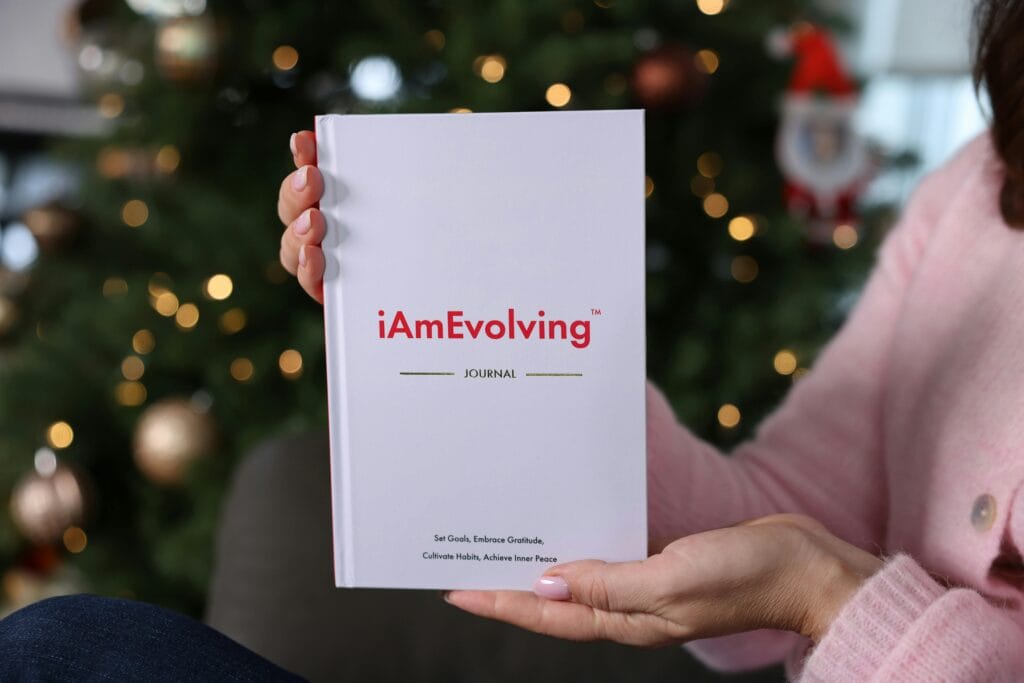
Letting go of your past self and embracing a new identity means releasing old beliefs, habits, and emotional attachments that no longer support your growth. It helps you rebuild confidence, discover your true identity, and create a life aligned with your values. With the right mindset and practical steps, reinvention becomes easier and healthier.
Introduction
Letting go of your past self and embracing a new identity but most people don’t realize that personal growth often feels like losing yourself first. When your life changes—career shift, breakup, moving to a new city, or even a mindset change—it can trigger an identity crisis. You may feel disconnected from your old personality, routines, and goals.
But the truth is: you are not “breaking.” You are evolving.
Learning how to let go of your past self and embrace a new identity is one of the most powerful skills you can build in life. It allows you to stop living in survival mode and start creating a version of yourself that feels authentic, confident, and emotionally free.
This guide will help you understand the psychology behind identity change, overcome fear, and rebuild self-worth step-by-step.
What Does It Mean to Let Go of Your Past Self?
Letting go of your past self doesn’t mean forgetting your history. It means releasing the identity you built during a different stage of life.
Your past self may include:
- old beliefs about who you are
- outdated habits and routines
- emotional attachments to old roles
- fear-based decision making
- self-doubt and insecurity
The Difference Between Growth and Self-Rejection
Many people confuse self-reinvention with self-hate. But real transformation is not about hating your past version. It’s about appreciating that version while choosing something better now.
You don’t have to destroy the old you. You just have to stop letting it control your future.
Why Your Identity Naturally Changes Over Time
Identity is not fixed. Your personality evolves as you experience new environments, relationships, and challenges. Major life changes often force identity upgrades because your old mindset can’t survive in a new reality.
Why Do People Struggle to Find Their True Identity After a Major Life Change?
A major life change can make you feel like your inner world is unstable. Even positive changes can create confusion.
You may feel lost after:
- a breakup or divorce
- losing a job
- graduating or changing careers
- leaving toxic friendships
- moving to a new place
- trauma or emotional burnout
When Your Old Self No Longer Fits Your New Life
Sometimes the problem is simple: you grew, but your identity didn’t catch up.
Your lifestyle might change faster than your self-image, which creates emotional conflict.
Emotional Attachment to Your Old Identity
Your past self may have given you comfort. Even if it was unhealthy, it was familiar. Humans naturally fear the unknown, so we hold onto old patterns just to feel safe.

The Psychology of Leaving Behind the Old You for Personal Growth
Psychologically, reinvention is a process of mental rewiring. Your brain forms identity through repeated behaviors, thoughts, and experiences.
When you change your habits, your brain slowly builds a new self-image.
Identity Is Built Through Repetition
If you repeatedly think “I am not good enough,” you will behave like someone who believes that. But if you repeatedly take confident actions, your mind starts believing: “I am capable.”
That’s why personal growth is not just motivation—it is consistency.
Your Brain Resists Change for Survival
The brain prefers routines because routines feel safe. Even when the old self is painful, it is predictable.
That’s why leaving behind the old you feels uncomfortable. It is not weakness—it is biology.
Growth Often Feels Like Losing Yourself First
When you stop being who you were, but you are not yet who you want to become, They don’t focus on letting go of your past self and embracing a new identity.
But this stage is normal. It’s called transformation.
How to Let Go of Your Past Self and Start a New Identity
This is where action begins. If you want to reinvent yourself, you need to let go intentionally, not emotionally.
Step 1: Accept That Your Old Version Served a Purpose
Your old self helped you survive something. Maybe it helped you handle stress, pain, insecurity, or loneliness.
Instead of judging your past self, say:
“I understand why I became this person, but I no longer need this version.”
Step 2: Identify the Beliefs That Are Keeping You Stuck
Ask yourself:
- What do I believe about myself that is limiting me?
- What fear controls my choices?
- What labels am I still carrying?
Examples:
- “I’m not confident.”
- “I always fail.”
- “I’m not worthy of love.”
Once you identify these beliefs, you can replace them with stronger ones.
Step 3: Release Old Habits That Reinforce the Old You
Habits shape identity. If you keep the same habits, your new identity will never fully develop.
Start by letting go of:
- toxic friendships
- constant comparison
- procrastination
- overthinking
- people-pleasing
- negative self-talk
Replace them with habits that match your future self.
Step 4: Create a Clear Vision of Your Future Self
If you don’t know who you want to become, you will always return to who you used to be.
Write down:
- What kind of person do I want to be?
- How does my future self behave daily?
- What does my future self value?
The clearer the vision, the faster your identity changes.
Overcoming the Fear of Losing Yourself While Reinventing Your Life
Fear is the biggest obstacle in self-discovery. Many people avoid change because they think they will lose themselves.
But in reality, you lose nothing—you gain clarity.
Why Reinvention Feels Scary
It’s scary because you may lose:
- old relationships
- approval from others
- your comfort zone
- your sense of control
But growth always requires sacrifice.
Stop Seeking Validation From Your Old Life
When you change, some people won’t understand. They liked the version of you that was easy to control.
If your growth makes someone uncomfortable, it doesn’t mean you’re wrong. It means you are evolving. The point of letting go of your past self and embracing a new identity is valid.
Replace Fear With Small Experiments
Instead of changing everything overnight, try small actions:
- dress differently
- change your routine
- learn a new skill
- speak more confidently
- stop apologizing unnecessarily
These small shifts train your brain to accept your new identity.

Journey From Feeling Lost to Finding Self-Worth and Confidence
Feeling lost is not failure. It’s a sign that you are ready to upgrade.
How Self-Worth Builds Through Action
Confidence is not something you wait for. It is something you build through proof.
Every time you do something difficult, your self-worth increases.
Examples:
- going to the gym consistently
- learning a new skill
- setting boundaries
- saying no without guilt
Confidence is basically self-trust.
Forgiving Yourself for Who You Used to Be
Many people cannot move forward because they keep punishing themselves for past mistakes.
Your past is a lesson, not a life sentence.
Forgiveness is not saying “it was okay.”
Forgiveness is saying “I won’t destroy my future because of my past.”
Why Self-Discovery Requires Leaving Your Comfort Zone and Old Habits
You cannot discover your true identity while living the same routine every day.
Your comfort zone is designed to keep you safe, not successful.
Growth Requires Discomfort
Every transformation includes discomfort:
- awkwardness
- loneliness
- confusion
- emotional resistance
This discomfort is not a sign to stop. It is a sign you are doing it right.
New Identity Requires New Environment
Sometimes your surroundings keep you trapped in an old version of yourself.
If you want to grow, you must change something:
- your friends
- your daily routine
- your mindset
- your goals
- your lifestyle
Even a small environment shift can unlock huge identity changes.
The Complete Guide to Finding Your True Identity
Now let’s combine everything into a simple identity-building system.
Ask Yourself These Identity Questions
To find your true identity, ask:
- What do I genuinely enjoy?
- What do I value most in life?
- What kind of life would make me proud?
- What am I afraid of becoming?
- What do I want to be remembered for?
Your answers reveal your real self.
Build Your New Identity Like a Lifestyle
Your new identity should be built through daily choices.
To reinforce your new self:
- journal your thoughts
- track habits weekly
- set personal boundaries
- stay consistent for 90 days
- surround yourself with growth-minded people
Make Peace With the Fact That Reinvention Never Ends
Your identity is not a final destination. It is a journey.
You are allowed to evolve again and again.
- Understanding your core personality—whether you have a Quiet Introverted Power, Ambivert Struggle or an extroverted drive—is the first step in effective Self.
Conclusion
Learning how to let go of your past self and embrace a new identity is not easy, but it is absolutely possible. The old version of you was built for survival, comfort, and coping. The new version of you is built for confidence, purpose, and self-respect.
When you accept your past, release your limiting habits, and create a clear future vision, your identity naturally begins to shift. You stop feeling lost, and you start feeling aligned.
Remember: reinvention is not pretending to be someone else. It is returning to who you were always meant to be.
FAQs
1. Can you reinvent yourself at any age?
Yes, you can reinvent yourself at any age because identity is based on habits, beliefs, and actions—not your age or past mistakes.
2. Why do I feel guilty for changing myself?
Guilt often comes from fear of losing relationships or breaking old expectations. Growth can feel selfish, but it is necessary for self-respect.
3. How do I know if I’m becoming my true self?
You will feel more peace, emotional stability, and confidence. Your actions will feel aligned with your values instead of pleasing others.
4. What if people don’t accept the new version of me?
Not everyone will accept your growth. Some people only liked the old you because it was familiar. Stay consistent and let results speak.

“Hi, I am Umer Hasib. I am a passionate blogger and content creator who loves exploring human psychology, social behaviors, and personal growth. Welcome to my inner space!”