
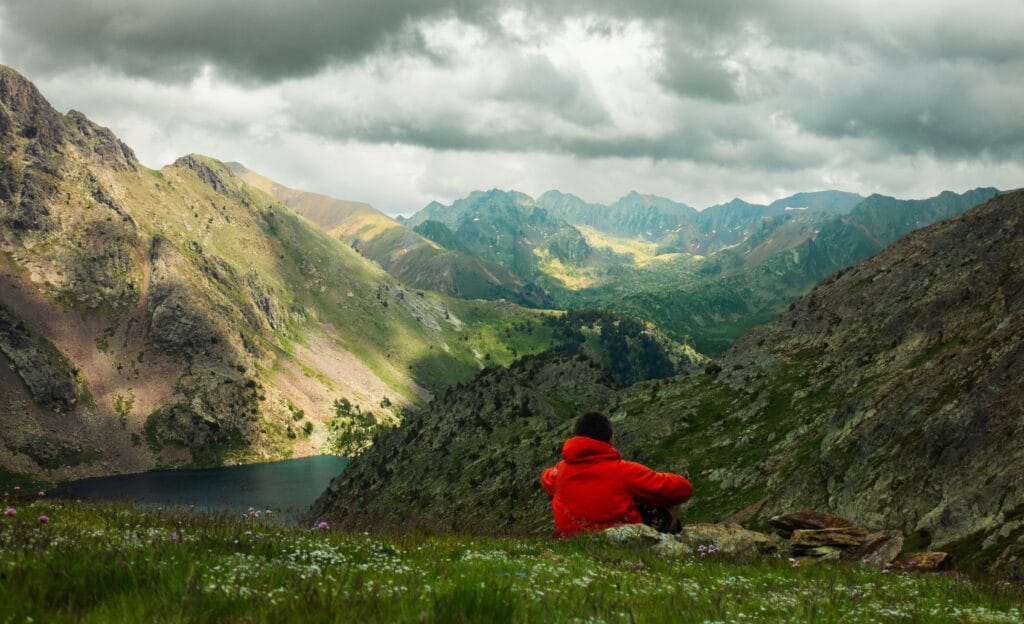
Finding peace in mountain solitude after heartbreak is a powerful way to reset your emotions and rebuild inner strength. The silence, fresh air, and vast landscapes calm the nervous system, reduce stress, and encourage deep reflection. Mountains offer a natural space where pain feels lighter, thoughts become clearer, and healing begins gently.
Introduction
Heartbreak can feel like a storm inside the chest—loud, heavy, and never-ending. The mind keeps replaying memories, and even silence at home can become painful. During emotional breakdowns, many people find answers in books, conversations, and distractions. But sometimes, the most powerful healing does not come from words.
It comes from mountains.
Finding peace in mountain solitude after heartbreak is not just a romantic idea. It is a real emotional process. The wilderness does not judge your tears. The cold wind does not ask questions. The mountains simply exist—and in their presence, you begin to breathe again.
When you stand on a quiet ridge and look at endless peaks, your pain does not vanish instantly, but it becomes manageable. The heart slowly learns that life is still wide, still meaningful, and still worth living.
What Does It Mean to Heal Through Mountain Solitude?
Mountain solitude means being away from the noise of the world—away from crowded streets, constant messages, and reminders of the past. It is not loneliness. It is intentional distance from everything that drains your emotional energy.
After heartbreak, solitude becomes a medicine because it gives your brain space to process what happened. In daily life, emotions are often interrupted by responsibilities. But in the mountains, there is time—time to think, time to cry, and time to rebuild.
The mountains teach a simple truth: healing does not need to be rushed.
Finding Peace in Mountain Solitude After Heartbreak: Why It Works
Heartbreak activates emotional stress in the brain, creating anxiety, overthinking, and sadness. Your nervous system becomes tired, and your body feels weak. This is why the mountains help so deeply.
The environment itself supports recovery:
- The clean air improves breathing and lowers tension
- The natural scenery reduces mental fatigue
- The open landscape makes emotional pain feel less suffocating
- The quietness slows down racing thoughts
In the mountains, you stop fighting your emotions. Instead, you allow them to flow naturally—just like rivers flowing down rocky valleys.
That is where peace begins.
Lessons Learned from Nature About Healing a Broken Heart
Nature teaches lessons without speaking. Every mountain, tree, and cloud carries a message if your heart is willing to listen.
Nature teaches us the power of acceptance.
A broken heart often comes with questions like:
Why did it happen? Why me? Why now?
But nature does not question storms or winter seasons. It accepts them. The mountains show that pain is part of life, not the end of it. Just like snow melts and spring returns, emotional suffering also fades with time.
Another lesson is resilience.
Mountains stand strong through harsh weather, heavy snow, and violent winds. They do not collapse. They remain. When you spend time near them, you begin to understand that you can remain too—even if your heart is hurting.

How the Silence of Mountains Helps in Emotional Recovery
The silence of mountains is different from the silence of a lonely room.
At home, silence feels empty. In the mountains, silence feels alive.
You hear the wind, birds, distant waterfalls, and your own footsteps. That natural soundscape calms the brain. It reduces overstimulation and gives your thoughts a slower rhythm.
When you are heartbroken, your mind becomes noisy. Memories attack. Regrets repeat. But mountain silence forces your mind to pause. It makes you face what you feel—but gently, not harshly.
This silence is healing because it creates emotional clarity. You begin to realize what you truly miss: the person, the dream, or the version of yourself that existed before the heartbreak.
And that awareness is the first step toward emotional recovery.
Psychological Benefits of Trekking for a Grieving Heart
Think of trekking as therapy without walls.
When you trek through mountain trails, your body produces chemicals like endorphins and serotonin, which naturally improve mood. This is why trekking often reduces sadness and depression-like feelings.
For a grieving heart, trekking offers several psychological benefits:
1. It reduces overthinking
When your legs move forward, your mind follows. Trekking creates a mental shift from rumination to action.
2. It improves emotional regulation
The steady rhythm of walking helps calm anxiety and reduces emotional breakdowns.
3. It builds confidence after emotional loss
Heartbreak often damages self-worth. But finishing a difficult trek proves you are stronger than your pain.
4. It creates a sense of achievement
Even small hikes give you a feeling of progress, and progress is essential in healing.
Trekking becomes a message to your heart:
“I am still moving. I am still alive.”
Why the Mountains Are the Best Place to Find Yourself Again
Heartbreak can disconnect you from yourself. You forget what you enjoy. You stop dreaming. You lose motivation.
But the mountains bring you back.
In nature, there are no expectations. No social pressure. No comparisons. It is just you and the world as it is.
When you hike alone or sit near a mountain lake, you begin to remember who you were before love shaped your identity. You start hearing your inner voice again. You start asking new questions:
- What do I want now?
- What kind of life do I deserve?
- What version of myself am I becoming?
The mountains become a mirror—not showing your face, but showing your soul.
This is why mountain solitude is often the best place to rediscover purpose and identity.
Overcoming Loneliness Through Solitude in the Wilderness
There is a difference between loneliness and solitude.
Loneliness feels like rejection.
Solitude feels like freedom.
After heartbreak, people often fear being alone. They think being alone means they were not enough. But the wilderness teaches the opposite. It shows that being alone can be peaceful and powerful.
When you sit on a quiet peak and watch the sun set, you realize that you do not need someone beside you to feel complete. You can still feel beauty. You can still feel hope.
Overcoming loneliness through solitude in the wilderness happens slowly. First, you feel the emptiness. Then, you start enjoying the quiet. Finally, you start loving your own company. They would say finding peace in mountain solitude after heartbreak.
That transformation is emotional healing.

Spiritual Connection With Nature for Healing Emotional Pain
Many people experience spiritual awakening in the mountains, even if they are not religious. There is something sacred about standing among giant peaks and endless skies.
Nature makes you feel small—but in a comforting way.
Heartbreak makes pain feel huge. But the mountains show that life is bigger than one relationship. Bigger than one chapter. Bigger than one loss.
A spiritual connection with nature often happens when:
- You watch clouds moving slowly across peaks
- You feel wind touching your skin like a soft reminder of life
- You sit quietly and feel your heartbeat syncing with the silence
- You realize you are still part of something beautiful
This spiritual healing does not erase emotional pain, but it changes your relationship with it. Pain becomes part of your journey, not your identity.
How to Use Mountain Solitude as a Healing Guide (Practical Steps)
Healing does not happen just by visiting mountains once. It happens through intention.
Here is how you can use mountain solitude for emotional recovery:
Choose a calm and safe mountain destination
Avoid crowded tourist places. Choose quiet trails where you can breathe and reflect.
Go for a mindful trek
Do not rush. Walk slowly. Focus on each step. Feel the ground. Hear the wind.
Journal your emotions
Write what you feel without filtering. Mountains make honesty easier.
Practice deep breathing in open landscapes
Fresh air helps regulate emotions and reduce panic.
Sit alone in silence for 10–20 minutes
Do not use your phone. Let your thoughts settle naturally.
Accept your emotions instead of escaping them
Cry if needed. Healing is not weakness.
This approach makes your mountain trip a real emotional recovery journey, not just a vacation.
Conclusion: The Mountains Don’t Fix You—They Help You Remember You
Heartbreak can make life feel smaller, quieter, and far more painful than anyone expects. Itaffects the way we think, the way we sleep, the way we trust, and even the way we see ourselves. In those heavy moments, it is easy to believe that healing will never come or that peace belongs only to other people. But the truth is different. Healing is possible, and sometimes it begins in the most unexpected place: the mountains.
Finding peace in mountain solitude after heartbreak is powerful because it gives the heart room to breathe again. The mountains do not rush you. They do not demand that you smile before you are ready. They do not force you to explain your pain. Instead, they offer something rare in today’s world: stillness. That stillness allows your emotions to surface naturally, without pressure, and slowly helps you process what your heart has been carrying for so long.
Trekking through mountain paths also gives the grieving heart a way to move forward physically when it feels stuck emotionally. Every step becomes symbolic. Every climb becomes a small act of courage. Every breath of fresh air becomes a reminder that life is still moving, even if your heart feels paused. This is why trekking can be so healing after heartbreak. It reconnects the body and mind, helping you regain strength, rhythm, and confidence at a time when everything may feel broken.
So the mountains are not just a place to escape heartbreak. They are a place to transform it. They give you silence when the world feels too loud, strength when you feel weak, and perspective when your pain feels endless. They do not erase the past, but they help you build a future that is gentler, calmer, and more whole. And one day, when the wound is no longer fresh, you may look back and realize that in the middle of your heartbreak, the mountains were helping you become stronger, wiser, and more deeply alive than before.
FAQs
1. How long does it take to heal heartbreak through nature trips?
Healing time depends on the emotional depth, but regular nature visits can improve mood within a few weeks.
2. Is it okay to travel alone to mountains after heartbreak?
Yes, but choose safe destinations, inform someone, and avoid risky trails if you are emotionally overwhelmed.
3. What is the best time of year to visit mountains for peace?
Spring and early autumn are ideal because the weather is comfortable and landscapes are calming.
4. Can mountain trekking help with anxiety and depression?
Yes, trekking can reduce stress hormones and improve mental health by boosting mood-related brain chemicals.

“Hi, I am Umer Hasib. I am a passionate blogger and content creator who loves exploring human psychology, social behaviors, and personal growth. Welcome to my inner space!”