
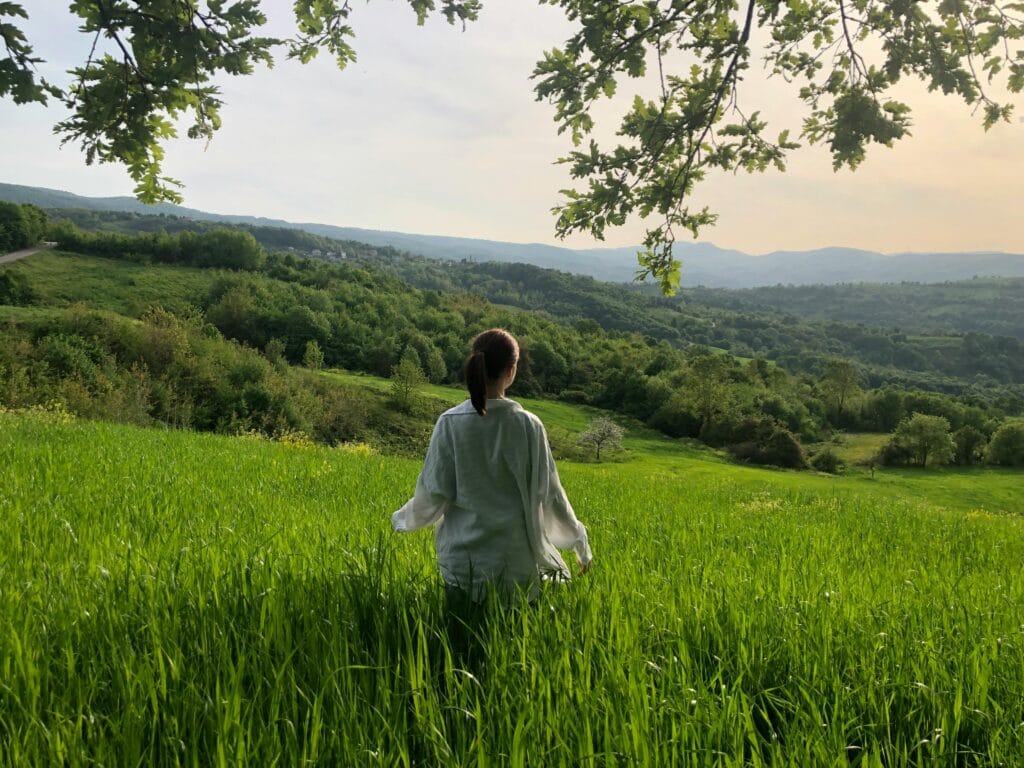
The healing power of nature lies in its ability to reduce stress, sharpen mental clarity, and lift emotional well-being. Pristine natural landscapes soothe the brain through symmetry, fractal patterns, biodiversity, and seasonal beauty, while forest bathing and golden hour moments create a deeper sense of peace, awe, and restoration.
Introduction
There is something timeless about standing in a quiet forest, watching sunlight move across a mountain ridge, or breathing in the stillness of a landscape untouched by noise and concrete. People are drawn to natural spaces not only because they are beautiful, but because they affect how we think, feel, and recover from daily pressure.
The healing power of nature is more than a poetic idea. It is a real experience shaped by psychology, sensory awareness, and the deep human need to connect with living environments. Pristine natural landscapes offer calm, wonder, and renewal in a way that modern spaces often cannot. Their patterns, colors, biodiversity, and seasonal changes all contribute to emotional balance and mental clarity.
In this article, we will explore why untouched wilderness feels so restorative, how nature supports psychological well-being, and how you can experience and capture its beauty more intentionally.
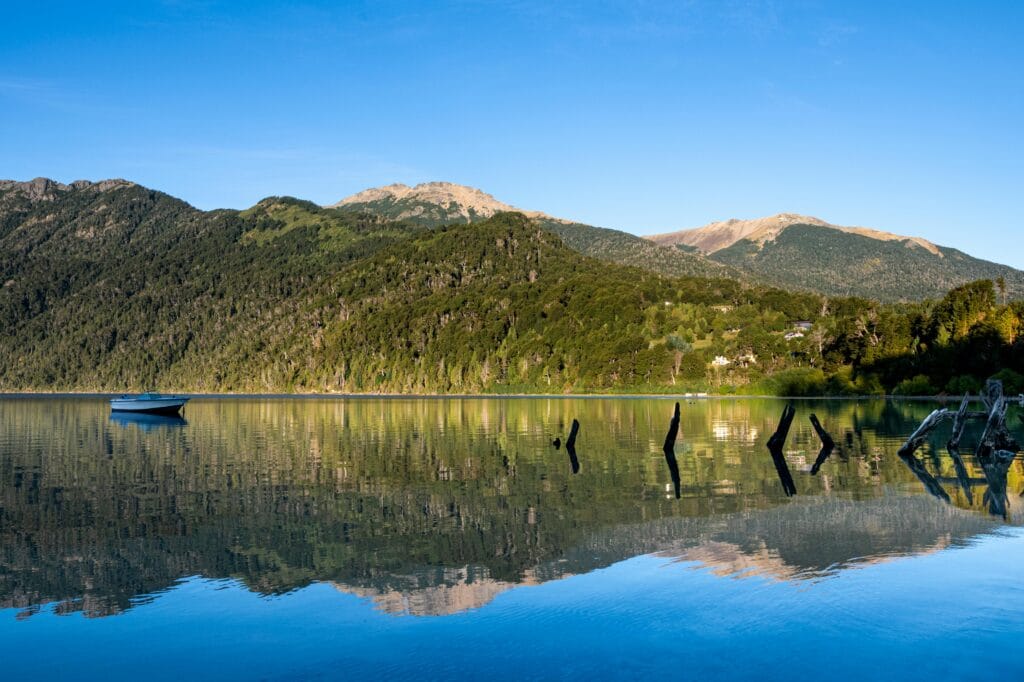
What Makes Pristine Natural Landscapes So Restorative?
Pristine natural landscapes are powerful because they engage the mind without overwhelming it. Unlike urban environments, which are often filled with sharp angles, noise, and constant stimulation, wild spaces offer visual harmony and sensory rest.
Why untouched wilderness feels different
A forest, meadow, lake, or mountain view gives the brain a chance to slow down. The eye naturally follows organic shapes, soft transitions, and layered depth. This creates a sense of ease that can lower stress and help people feel more centered.
The emotional value of natural beauty
The aesthetic value of untouched wilderness areas is not just about appearance. These places often evoke awe, gratitude, and humility. They remind us that life is larger than schedules, screens, and responsibilities. That feeling alone can be deeply healing.
The Healing Power of Nature and Psychological Benefits
The healing power of nature is closely tied to mental health. Spending time outdoors can help reduce anxiety, improve mood, and restore attention after periods of mental fatigue.
Stress relief and emotional reset
Natural environments often create a sense of safety and softness. The brain can move away from threat detection and into a calmer state. This is one reason even short walks in green spaces can feel refreshing.
Better focus and mental clarity
Time in nature is associated with improved concentration and clearer thinking. When the mind is given a break from constant digital input, it can recover from overload. This is especially helpful for people who feel mentally crowded or emotionally drained.
A deeper sense of perspective
Nature can also make everyday problems feel more manageable. A wide horizon, an open sky, or a silent forest often shifts the way people think. In that space, tension becomes smaller and reflection becomes easier.
Forest Bathing and Mental Clarity in Natural Spaces
Forest bathing, often associated with the Japanese practice of shinrin-yoku, is the mindful experience of being in a forest and taking in its atmosphere with full attention.
How forest bathing supports the mind
Rather than treating nature as a background, forest bathing encourages you to notice textures, sounds, scents, and movement. This kind of slow awareness can improve mental clarity and help quiet racing thoughts.
Why the forest feels psychologically safe
Forests often feel enclosed yet open, active yet peaceful. The mix of shelter, oxygen, filtered light, and organic sound creates a grounded experience. For many people, that makes forests one of the most effective natural settings for relaxation.
A simple way to practice it
You do not need a special destination. Even a local tree-lined path or small woodland can become a restorative experience if you slow down, breathe deeply, and focus on what is around you.
The Intricate Patterns of Fractals and Symmetry in Nature
One of the most fascinating things about nature is that it is beautiful at every scale. Leaves, branches, shells, rivers, snowflakes, and coastlines all reveal repeating shapes and balanced forms.
What are fractals in nature?
Fractals are patterns that repeat in similar ways across different sizes. You can see them in tree branches, fern leaves, clouds, and mountain ridges. These patterns are visually rich without being chaotic, and they often feel naturally satisfying to look at.
Why symmetry matters
Symmetry creates a sense of order. When a flower, butterfly wing, or reflected lake surface appears balanced, the brain tends to read it as harmonious. That balance can quietly reduce visual tension and strengthen the feeling of calm.
Nature as an endless design system
The intricate patterns of fractals and symmetry in nature show that wild beauty is not random. It has structure, rhythm, and intelligence. That is one reason people keep returning to natural spaces for inspiration and peace.
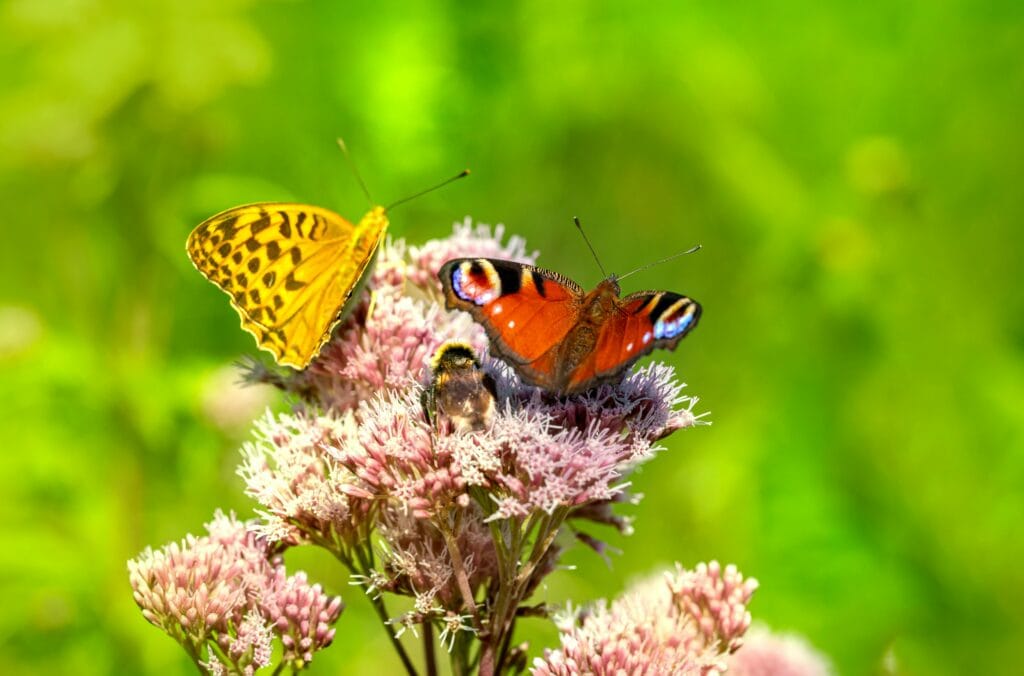
The Role of Biodiversity in Creating Vibrant and Healthy Ecosystems
Biodiversity is not only important for ecology. It also contributes to the beauty, vitality, and emotional richness of a landscape.
Why biodiversity makes landscapes feel alive
A diverse ecosystem contains a variety of plants, insects, birds, fungi, and mammals. That mix creates movement, sound, color, and texture. A healthy landscape is rarely visually flat. It feels active and layered.
The connection between diversity and resilience
Biodiversity helps ecosystems remain stable and healthy over time. Forests, wetlands, and grasslands with a rich variety of life are better able to survive seasonal shifts, disease, and environmental stress.
Beauty and function working together
The role of biodiversity in creating vibrant and healthy ecosystems shows that beauty is not separate from function. A thriving ecosystem is often the most beautiful because it is balanced, dynamic, and full of life.
Seasonal Transformations and Their Impact on Natural Beauty
One reason people never tire of nature is that it is always changing. Every season offers a different mood, palette, and emotional tone.
Spring: renewal and fresh energy
Spring often feels alive with growth. New leaves, blossoms, and softer light create a sense of hope and beginning. It is a season that naturally encourages optimism.
Summer: abundance and brightness
Summer landscapes are usually rich, vivid, and expansive. Long days and full canopies create a feeling of openness and energy.
Autumn: reflection and warmth
Autumn brings color, texture, and a gentle sense of transition. The changing leaves remind us that beauty can be temporary and still deeply meaningful.
Winter: quiet and stillness
Winter strips landscapes back to their essential forms. In that simplicity, many people find peace, clarity, and contemplation.
Seasonal transformations and their impact on natural beauty give landscapes emotional depth. Nature does not stay fixed, and that impermanence is part of its appeal.
Capturing the Golden Hour: Photography Tips for Natural Landscapes
Golden hour is one of the most magical times for photographing natural scenes. The soft, low-angle light adds warmth, dimension, and atmosphere to everything it touches.
Why golden hour works so well
During golden hour, shadows become softer and colors become richer. Trees, hills, water, and fields take on a glow that feels almost unreal. This light can transform an ordinary scene into something memorable.
Simple landscape photography tips
To capture the best results, focus on composition first. Look for leading lines, natural frames, and layers in the scene. Keep your horizon straight, and try different angles rather than shooting only from eye level.
Use nature’s textures
Rocks, grass, water ripples, branches, and clouds all add depth to a photo. The more texture your image has, the more alive it will feel.
Tell a story with the frame
A strong landscape photo does not only show a place. It communicates mood. Use light, distance, and contrast to express the quiet power of the scene.
How to Experience and Preserve the Beauty of Untouched Wilderness
Enjoying nature is only part of the story. Preserving it matters just as much.
How to visit nature respectfully
Stay on marked paths, avoid disturbing wildlife, and leave no trace behind. Even small actions help protect fragile environments from long-term damage.
Why preservation matters
Preserving the aesthetic value of untouched wilderness areas ensures that future generations can also experience their healing and visual power. Once landscapes are damaged, their ecological and emotional value can take decades to recover.
A guide to building a stronger nature connection
Try to spend time outdoors regularly, even if only briefly. Notice the details. Listen carefully. Slow your pace. Whether you are hiking, meditating, or photographing, treat the natural world as something worth observing with respect.
Conclusion
Nature is not only a setting; it is a restorative force. The healing power of nature comes from its ability to calm the mind, awaken the senses, and reconnect us with something stable and real. Pristine natural landscapes offer more than scenic beauty. They offer psychological relief, creative inspiration, and a deeper sense of belonging.
From the intricate patterns of fractals and symmetry in nature to the calming effects of forest bathing and mental clarity, every part of the natural world speaks to the human need for balance. Seasonal transformations remind us that beauty is always moving. Biodiversity keeps ecosystems vibrant and healthy. Golden hour teaches us that even light can feel emotional.
When you step into nature with attention, you are not just looking at a place. You are entering a living experience that can refresh your mind, restore your energy, and quiet the noise of modern life.
FAQs
1. Why does nature reduce stress so effectively?
Nature reduces stress because it gives the brain a break from constant stimulation. Its patterns, sounds, and open spaces help the nervous system relax and recover.
2. Is forest bathing the same as hiking?
Not exactly. Hiking is usually movement-focused, while forest bathing is about slow, mindful presence. The goal is to absorb the atmosphere of the forest rather than reach a destination.
3. What makes a natural landscape visually beautiful?
A beautiful landscape usually combines harmony, biodiversity, symmetry, depth, and natural light. Seasonal change and texture also make scenes feel more vivid and memorable.

“Hi, I am Umer Hasib. I am a passionate blogger and content creator who loves exploring human psychology, social behaviors, and personal growth. Welcome to my inner space!”