
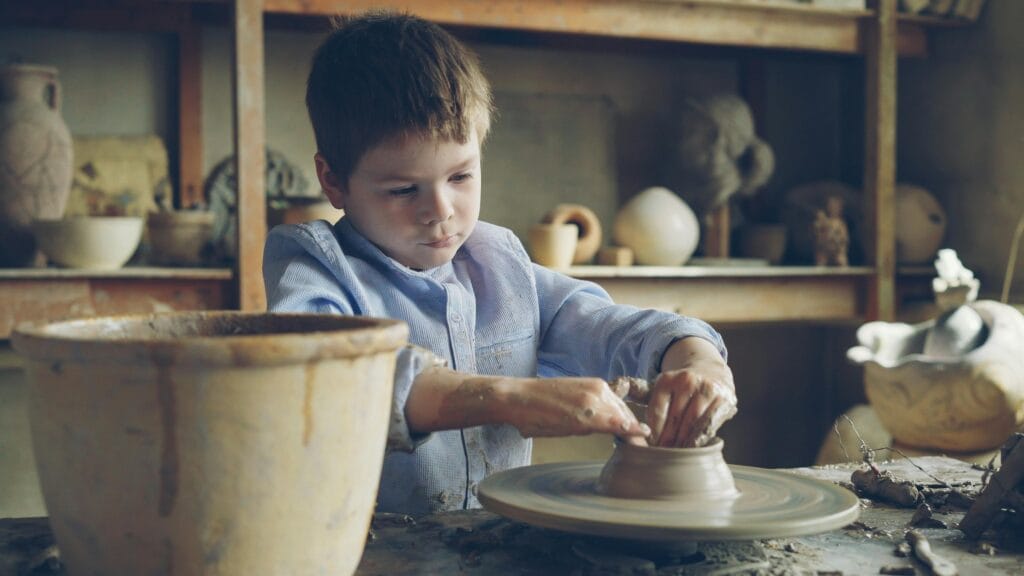
Epigenetics is changing the nature vs nurture debate by proving that genes are not fixed instructions. Instead, lifestyle, stress, culture, parenting, and environmental factors can switch genes on or off. This explains why personality and behavior are shaped by both biology and environment, especially during childhood development and emotional growth.
What Is the Nature vs Nurture Debate? (Simple Explanation)
The nature vs nurture debate is one of the most searched psychology topics because it explores a powerful question:
Are we born the way we are, or do we become who we are because of our environment?
In simple terms:
- Nature refers to what we inherit through genetics (DNA).
- Nurture refers to everything we experience in life—family, culture, education, trauma, friendships, and lifestyle.
For decades, people argued about which one is more important. But in 2026, science is showing something much more realistic:
Nature and nurture work together.
Your personality, mental health, intelligence, habits, and emotional behavior are not controlled by only genes or only environment. Instead, both interact like a system.
How Epigenetics Changes the Nature vs Nurture Debate
So what exactly is epigenetics?
What is epigenetics in simple words?
Epigenetics is the study of how your environment can turn genes on or off without changing your actual DNA code.
Think of DNA like a book.
Epigenetics is like highlighting certain lines and hiding others.
Your genes may contain many traits, but your environment decides which ones become active.
How environment affects gene expression
Epigenetics explains why two people with similar genetics can have completely different personalities or health outcomes. It shows that genes are not destiny.
Environmental triggers include:
- Stress
- Diet
- Sleep
- Exposure to pollution
- Childhood trauma
- Exercise
- Emotional environment
- Parenting style
Stress, trauma, and lifestyle effects
For example, chronic stress can activate genes linked to anxiety and depression. Meanwhile, a supportive home environment can strengthen resilience.
This is why how epigenetics changes the nature vs nurture debate is such an important topic today—it proves that:
Genetics matter
Environment matters
But the real answer is how they interact

Impact of Cultural Environment on Genetic Personality Traits
One of the most interesting research-based realities is that culture plays a major role in shaping personality.
How culture shapes behavior patterns
Culture influences:
- What emotions people express
- How people handle conflict
- How children are raised
- How success is defined
- How gender roles are treated
A person may genetically have a tendency toward confidence, but if raised in a culture that discourages self-expression, that trait may stay hidden.
Personality traits influenced by social environment
Common personality traits shaped by cultural environment include:
- Confidence
- Emotional control
- Social behavior
- Discipline
- Risk-taking
- Communication style
Can culture activate genetic tendencies?
Yes. Culture can create conditions that activate or suppress genetic potential.
For example:
A child with a genetic tendency for leadership may become a strong leader if their culture encourages responsibility. But if their culture discourages independent thinking, the same child may become quiet or hesitant.
That’s the real impact of cultural environment on genetic personality traits.
Real Life Examples of Nature vs Nurture in Child Development
Child development is where nature vs nurture becomes very visible.
Parenting styles and emotional intelligence
Children raised in emotionally supportive homes usually develop:
- Better emotional intelligence
- Higher self-confidence
- Lower anxiety levels
But children raised in strict or unstable environments may develop:
- Fear-based behavior
- aggression
- difficulty trusting others
This does not mean genes don’t matter. It means the environment shapes how genetic traits show up.
Language learning and brain development
A child may have strong genetic intelligence, but if they grow up in an environment with limited education, their potential may not fully develop.
On the other hand, children exposed to multiple languages early often show stronger cognitive flexibility.
Trauma, resilience, and social behavior
Two children may face similar trauma, but one becomes resilient while another develops long-term anxiety.
Why?
Because nurture factors like:
- emotional support
- therapy
- friendships
- safe education
can reshape the brain’s response system.
These are powerful real life examples of nature vs nurture in child development.
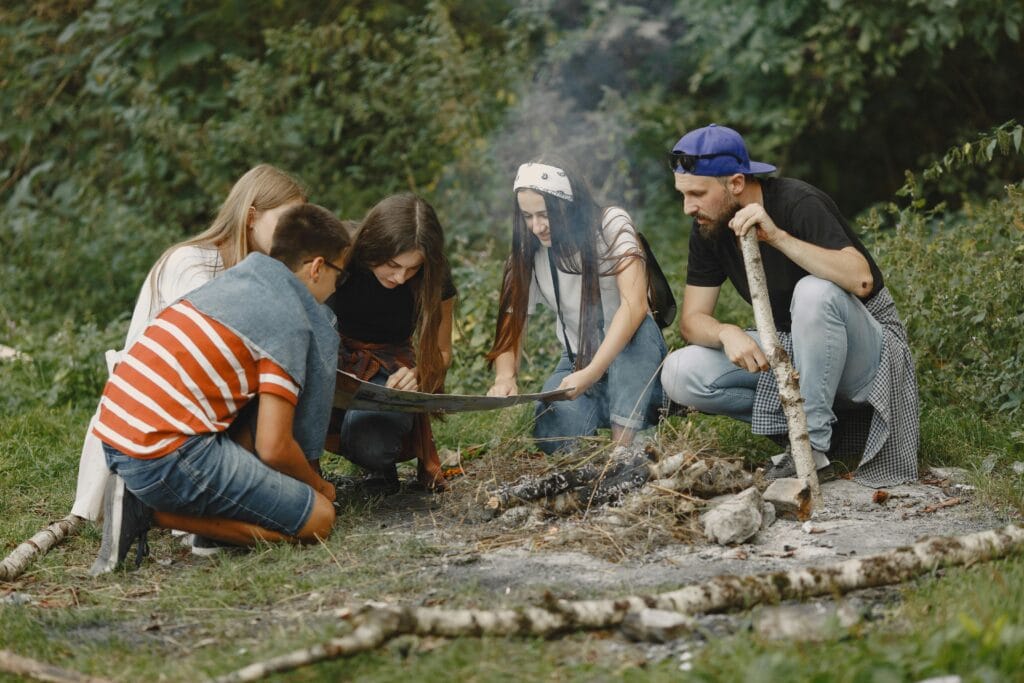
Benefits of Outdoor Education for Student Mental Health
Modern students face extreme academic pressure, screen addiction, and social anxiety. That’s why outdoor education is gaining popularity again.
Outdoor learning vs classroom stress
Outdoor education reduces pressure by giving students:
- open space
- physical movement
- real-world learning experiences
This helps reduce emotional overload.
Nature exposure and anxiety reduction
Studies show that spending time in natural environments can lower:
- cortisol (stress hormone)
- anxiety symptoms
- depressive thoughts
This explains the growing focus on benefits of outdoor education for student mental health.
Improves focus and confidence
Outdoor learning also improves:
- creativity
- problem-solving
- teamwork
- confidence
- attention span
In short, outdoor education is not just “fun.” It is mental health support in disguise.
Benefits of Biodiversity for Local Ecosystem Health
Biodiversity means having different species of plants, animals, and microorganisms in one ecosystem.
Why biodiversity matters for humans
People often think biodiversity only matters for forests and wildlife. But it directly affects human life too.
Healthy biodiversity supports:
- clean water systems
- fresh oxygen
- natural food sources
- climate balance
Food chains and ecosystem stability
If one species disappears, the entire food chain becomes unstable.
For example:
If bees decline, pollination decreases. That affects crops, fruits, and food supply.
That’s why the benefits of biodiversity for local ecosystem health are essential for survival.
What happens when biodiversity declines?
When biodiversity declines, we face:
- increased disease spread
- water pollution
- soil infertility
- food shortages
- climate imbalance
Protecting biodiversity is not optional anymore—it’s necessary.
Best Community-Led Conservation Projects for Urban Areas
Cities are expanding rapidly, and nature is shrinking. But communities can still protect ecosystems through local action.
Urban tree plantation campaigns
Tree planting is one of the best conservation strategies in urban areas because it improves:
- air quality
- temperature control
- mental health
- wildlife habitat
Community recycling and plastic reduction drives
Plastic pollution is a huge problem in cities. Community-led programs can reduce waste through:
- recycling stations
- awareness events
- reusable product campaigns
Rooftop gardens and pollinator parks
Rooftop gardens help reduce heat and support birds and insects. Pollinator parks help bees, butterflies, and local plant growth.
These are some of the best community-led conservation projects for urban areas because they require low cost but produce high impact.
How to Practice Environmental Stewardship in Daily Life
Environmental stewardship means protecting nature through personal responsibility.
Easy daily habits that protect nature
You can start with small habits like:
- saving water
- turning off unnecessary lights
- using reusable bottles
- reducing plastic bags
- avoiding food waste
Sustainable lifestyle tips for families and students
For students and families, stewardship can include:
- using public transport
- planting home gardens
- supporting eco-friendly brands
- teaching children about nature
Small actions create big impact
The truth is:
You don’t need to be rich or powerful to save the environment.
If millions of people do small things daily, the global impact becomes massive.
That is the real meaning of how to practice environmental stewardship in daily life.

Life Lessons Learned From Observing Natural Cycles
Nature is not just scenery—it is a teacher.
Seasons teach patience and growth
Every season has a purpose:
- Winter teaches rest
- Spring teaches new beginnings
- Summer teaches productivity
- Autumn teaches letting go
Nature proves that growth takes time.
Nature teaches balance and resilience
A tree survives storms because its roots are strong. Rivers flow around obstacles instead of stopping.
This teaches us:
Don’t break under pressure—adapt.
Every ending is a new beginning
Leaves fall, flowers fade, and nights grow longer—but nature always returns stronger.
That’s why life lessons learned from observing natural cycles can deeply inspire personal growth.
Short Inspirational Nature Quotes for Environmental Awareness
Here are some short inspirational nature quotes for environmental awareness you can use for blogs, posters, or social media:
- “Nature doesn’t hurry, yet everything is accomplished.”
- “The earth is not ours, it is borrowed.”
- “Plant a tree today, breathe better tomorrow.”
- “Protect nature, protect your future.”
- “Small actions create big environmental change.”
- “A clean planet is a human responsibility.”
- “Biodiversity is life’s greatest wealth.”
- “The more we destroy nature, the more we destroy ourselves.”
These quotes may be short, but they carry strong emotional power.
Conclusion:
The truth about human life is simple: we are shaped by both biology and environment. Epigenetics has proven that the nature vs nurture debate is no longer an argument—it is a partnership. Culture affects personality, parenting shapes child development, and lifestyle can influence gene expression.
At the same time, nature teaches us patience, balance, and resilience. Outdoor education improves student mental health, biodiversity keeps ecosystems alive, and community conservation projects can transform cities. Most importantly, daily environmental stewardship is the easiest way to protect the planet.
If you want a better future—start with small steps today, because nature always rewards those who respect it.
FAQs:
1. Does epigenetics mean we can change our DNA permanently?
Epigenetics does not change the DNA sequence itself, but it can create long-term gene expression changes. Some epigenetic changes may even pass to future generations, depending on environmental conditions.
2. Is personality mostly genetic or mostly environmental?
Personality is influenced by both genetics and environment. Genes may provide tendencies, but culture, parenting, experiences, and lifestyle shape how those traits develop in real life.
3. How can schools include outdoor education without high costs?
Schools can start outdoor learning with simple steps like nature walks, gardening projects, outdoor reading sessions, or science observation activities. Even small outdoor exposure can improve mental health and learning focus.

“Hi, I am Umer Hasib. I am a passionate blogger and content creator who loves exploring human psychology, social behaviors, and personal growth. Welcome to my inner space!”