

Understanding Animal Psychology
Animal psychology is the study of how animals think, feel, and behave based on instincts, emotions, and environmental signals. Just like humans, animals respond to stress, routine changes, hunger, loneliness, and even boredom. Their behaviors are often a form of communication rather than random actions.
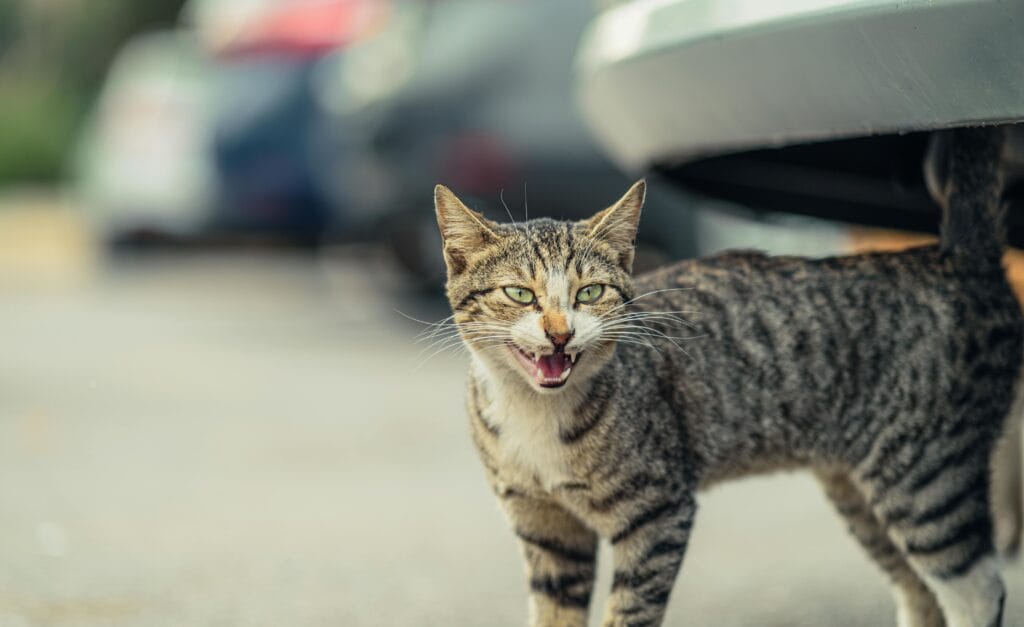
Cats, in particular, are highly expressive animals. One of their most common behaviors is meowing, and for many cat owners,it becomes even more noticeable at night.
So the big question is:
Why do cats meow so much, especially when everyone is trying to sleep?
Let’s explore the real reasons behind this behavior and what you can do about it.
Why Cats Meow So Much in General
Cats rarely meow to communicate with other cats. In most cases, meowing is a behavior cats use to communicate with humans.
Your cat may be meowing because it wants:
- Attention
- Food
- Playtime
- Comfort
- Access to a room or outside space
In simple words, meowing is your cat’s way of saying:
“Notice me. Something matters right now.”
Why Do Cats Meow More at Night?
1. Cats Are Naturally Nocturnal Hunters
Cats are biologically designed to be most active during dawn and nighttime hours. In the wild,these hours are ideal for hunting.
Even indoor cats still carry that natural instinct.
At night, their body feels awake, energetic, and alert. This can lead to:
- Running around
- Jumping on furniture
- And loud meowing for stimulation
2. Your Cat Might Be Bored
Indoor cats can easily become bored, especially if they sleep too much during the day.
When nighttime comes, their energy builds up. Meowing becomes a way to release that energy or demand attention.
Common signs of boredom include:
- Loud repetitive meows
- Knocking objects over
- Scratching furniture
- Random bursts of running
3. Hunger or Food Routine Problems
If your cat is hungry, it will definitely let you know.
Many cats meow at night because:
- Dinner was too early
- Portions are too small
- Feeding schedule is inconsistent
Cats love routine. If feeding times change often, they may become anxious and vocal.
4. Loneliness and Attention Seeking
Cats may seem independent, but they still need affection and companionship.
If your cat feels lonely at night, it may cry or meow repeatedly to get you to respond.
This is especially common in:
- Single-pet households
- Cats that are highly attached to their owners
- Recently adopted cats
5. Stress, Anxiety, or Environmental Changes
Cats are sensitive to changes in their environment.
Night meowing can increase if:
- You moved to a new home
- A new pet entered the house
- Construction sounds are nearby
- A family member left the home
Stress often causes cats to become more vocal.
6. Your Cat Might See Other Animals Outside
If your cat notices another cat outside the window, it may start meowing loudly. This is often linked to territorial instincts.
Outdoor triggers include:
- Stray cats
- Dogs
- Birds
- Other wildlife
This can make your cat feel alert, defensive, or excited.
7. Mating Behavior (If Not Neutered)
Unneutered cats are usually far more vocal, especially at night.
They meow because:
- Hormones increase activity
- They sense mating signals
- They want to escape and search for a mate
This is common in both male and female cats.
8. Medical Issues or Discomfort
If your cat suddenly starts meowing excessively, it could be a health issue.
Possible medical reasons include:
- Pain or injury
- Urinary problems
- Hyperthyroidism
- Cognitive confusion in older cats
If nighttime meowing is new and intense, visiting a vet is important.
How to Stop Your Cat From Meowing at Night
1. Play With Your Cat Before Bed
A tired cat is a quiet cat.
Spend 15–30 minutes playing before bedtime using:
- Feather toys
- Laser pointers
- Ball toys
- Interactive puzzles
This satisfies hunting instincts naturally.
2. Feed Your Cat Later in the Evening
A small meal before bed can reduce nighttime hunger.
Cats often sleep better when they feel full and safe.
3. Keep a Consistent Routine
Cats love predictable schedules.
Try to keep:
- Feeding times consistent
- Playtime consistent
- Sleeping patterns stable
This reduces anxiety-based meowing.
4. Don’t Reward Night Meowing
If your cat meows and you immediately get up to feed or pet it, your cat learns:
“Meowing works!”
Try not to respond instantly. Otherwise, the behavior becomes a habit.
5. Make the Environment Calm and Eco-Friendly
A peaceful home can reduce stress-based behavior.
Green-friendly calming tips:
- Open windows for fresh air (safe screens required)
- Use natural lighting in the evening
- Avoid strong chemical sprays
- Use safe indoor plants (cat-friendly only)
- Provide natural scratch pads and wooden cat furniture
A calm environment supports healthy animal psychology.
6. Provide Comfort and Safe Spaces
Cats feel safer when they have their own space.
Provide:
- A soft bed
- A warm blanket
- A quiet corner
- A cat tree or shelf
Security reduces nighttime crying.
7. Consider Spaying or Neutering
If your cat is not neutered, this is one of the best long-term solutions.
It reduces:
- Hormonal stress
- Night vocalization
- Aggressive behaviors
When Should You Worry About Excessive Meowing?
You should contact a vet if your cat:
- Suddenly meows more than usual
- Sounds like it is crying in pain
- Stops eating or drinking
- Uses the litter box differently
- Acts confused or restless
Excessive meowing can sometimes be a sign of discomfort or illness.
Final Thoughts
Cats meow at night for many reasons, but most of them connect directly to animal psychology, instincts, routine, and emotional needs.
Sometimes your cat is hungry. Sometimes it is lonely. And sometimes it is simply following its natural nighttime energy cycle.
The good news is: with the right routine, playtime, and calm environment, nighttime meowing can be reduced greatly.
Your cat isn’t trying to disturb you—it is simply trying to communicate in the only way it knows.

“Hi, I am Umer Hasib. I am a passionate blogger and content creator who loves exploring human psychology, social behaviors, and personal growth. Welcome to my inner space!”